
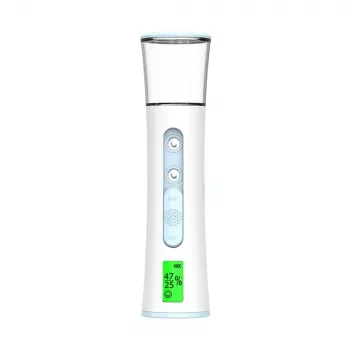
Guessing whether skin is dry, dehydrated, oily, or simply out of balance can lead to over-correcting (and wasting products). Our LCD Digital Skin Moisture & Oil Analyzer with Elasticity Tester helps turn quick check-ins into clearer next steps—so you can adjust your routine based on moisture, oil, and elasticity trends over time, not just how your skin feels in the moment. For more guidance, see Multifunctional 3D-Printable Photocurable Elastomer with Self ….
If you’ve ever swapped products because your face felt tight one day and shiny the next, this is a simple way to add structure: measure, log, compare, and make one small change at a time. For further reading, see Four-Dimensional Printing of Multifunctional Photocurable ….
Moisture readings can help you spot when your skin may need hydration support, a richer moisturizer, or a gentler cleanse—especially after weather changes, travel, or introducing active ingredients. When moisture trends low, your skin often feels tight, looks dull, or becomes more reactive to products.
Oil readings help confirm whether shine is true oiliness or just surface glow. This is especially useful when you’re deciding whether to simplify layers, switch to lighter textures, or rethink how heavy your daytime routine is.
Elasticity is a quick, practical way to keep an eye on how your skin rebounds. It can support decisions around barrier care, consistent moisturizing, and keeping routines steady rather than constantly switching.
One reading can swing with time of day, temperature, or what you applied earlier. Our team recommends focusing on trends by measuring under similar conditions (same area, same time, similar routine) and comparing notes week to week.
For general skin health guidance—especially when you’re dealing with dryness or irritation—reliable resources like the American Academy of Dermatology and Cleveland Clinic’s overview of the skin barrier can help you pair measurements with smart basics.
| Reading trend | What it can mean | Practical next step |
|---|---|---|
| Moisture: Low | Dehydration, barrier stress, seasonal dryness, or routine too harsh | Use a gentler cleanser, add hydration, and moisturize consistently; re-check at the same time of day |
| Moisture: Balanced | Skin is holding water well under current routine | Keep routine steady; only fine-tune if oil/elasticity trends shift |
| Oil: High | Excess sebum, heavy layers, heat/humidity, or rebound oil | Switch to lighter textures, simplify layers, and avoid over-cleansing |
| Oil: Low | Very dry skin, over-cleansing, or not enough emollient support | Use a milder cleanse and add a nourishing moisturizer—especially at night |
| Elasticity: Lower than usual | Skin feels less “bouncy,” often linked to dryness or irritation cycles | Stabilize routine, focus on moisturizing + sun protection, and avoid frequent product swapping |
Consistency matters more than frequency. Measure once daily for a week to set your baseline, then check 2–3 times per week or whenever you change products or seasons—keeping the same time and test area.
Both can be useful: take a pre-moisturizer reading for a baseline, then take another after your skincare has fully absorbed to see how that routine affects balance. Just keep your timing consistent so comparisons stay meaningful.
Readings can shift with cleansing, sweat, temperature/humidity, sunscreen or makeup, stress, and natural oil cycles. Taking 2–3 readings and tracking trends over time helps you avoid overreacting to normal daily fluctuation.






Leave a comment