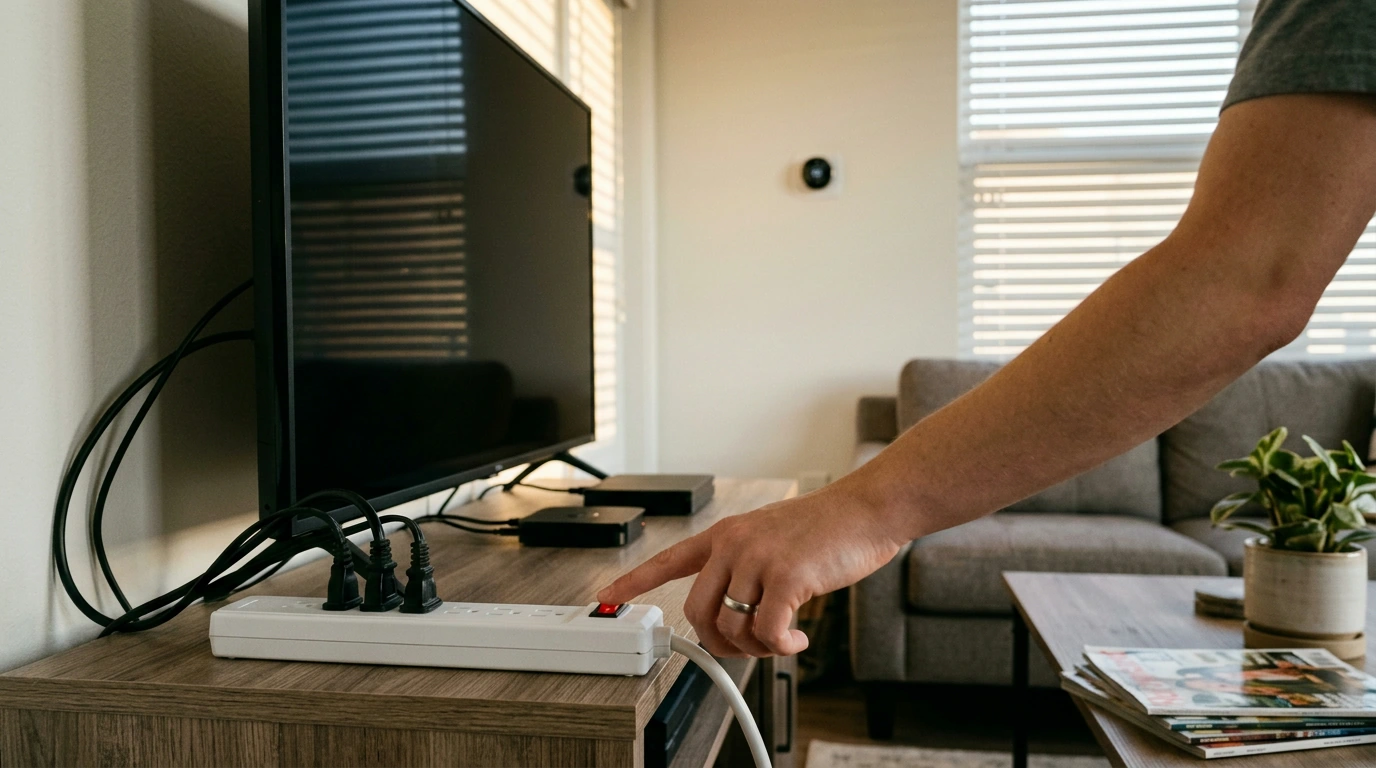
Electricity costs rarely drop on their own. In most homes, savings come from small, repeatable habits (done consistently) plus a few smart upgrades that actually pay you back. Our team built Slash Your Electric Bill | How to Save on Electric Bill Guide | Energy Saving Digital Download to help you start with quick wins tonight, tackle bigger fixes this weekend, and keep your bill trending down month after month—without turning your house into a constant project.
If you want a practical plan that works in apartments, houses, and shared homes, this guide gives you a simple checklist approach: do the high-impact steps first, skip the low-return “gadgets,” and build routines that stick.
For broader, authoritative guidance you can compare against your own setup, we also like these resources: U.S. Department of Energy — Save Energy at Home and ENERGY STAR — Save at Home.
If you do nothing else, start with actions that reduce waste immediately—especially anything that runs when you’re not benefiting from it.
Our guide is built so you can check these off quickly—then move on without guessing what to do next.
Heating and cooling is where many households accidentally overspend. The goal isn’t discomfort—it’s stopping waste and letting your system run efficiently.
| Move | Effort level | Where it helps most |
|---|---|---|
| Thermostat schedule | Low | Homes with predictable away/sleep hours |
| Air sealing (doors/windows) | Medium | Drafty rooms; older homes; apartments with leaky frames |
| Filter maintenance | Low | Forced-air heating/cooling systems |
| Shade and sun control | Low | Rooms with strong afternoon sun; large windows |
These categories often feel “too small to matter,” but they add up because you do them constantly.
If you want to lean into “batch once, eat more” to reduce oven time and last-minute cooking, pair your energy plan with Great Meals, Small Budget to make meal planning simpler while you’re tightening up household spending.
Ready to start tonight? Grab our Slash Your Electric Bill download and use the “fast savings” checklist first—then keep going as your schedule allows.
You can reduce waste immediately with standby-power fixes and small habit changes, but the biggest results usually show up over the next few billing cycles as your heating, cooling, and hot-water routines stabilize. Track your usage so you can see what moved the needle in your home.
Yes—many of the best steps are rental-friendly: controlling standby power, optimizing thermostat habits, managing shade, and reducing hot-water use. The guide emphasizes no-permission changes first, with optional upgrades only when your lease allows it.
Heating/cooling and hot water often have the biggest impact because they can run for hours and draw substantial power. Lighting is quick and easy but usually smaller overall, while appliances vary based on age and runtime—start with the biggest loads you can control daily.





Leave a comment