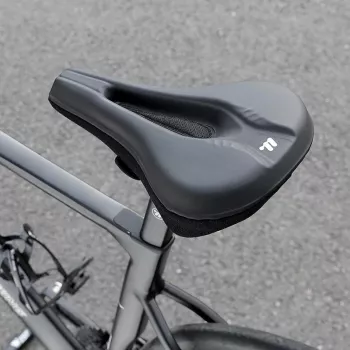
A better ride often starts with the contact points: hands, feet, and seat. If your bike saddle feels too firm, sends vibration up through the frame, or leaves soreness after short trips, a seat cushion can be the simplest comfort upgrade. Our Comfort Bike Seat Cushion with Memory Foam & Shockproof Design is built to add pressure relief and vibration damping for everyday riding—without changing your bike’s setup or committing to a full saddle replacement. For more guidance, see Forty-Year-Old Foam Springs Back With New Benefits.
Most “my seat hurts” complaints come down to a few predictable issues: For further reading, see OFF-LOADING PRESSURE RELIEF WITH FOAM CUT OUT ….
A cushion helps by spreading load across a slightly larger contact area and softening micro-impacts. The goal isn’t to turn your saddle into a couch—it’s to make your normal rides feel less sharp, less jarring, and more sustainable.
For general cycling safety and setup basics, solid fit guidance from Harvard Health Publishing can help you dial in the fundamentals that comfort accessories build on.
Memory foam compresses where you need it most, which can reduce “hot spots” by matching your shape instead of forcing your body to tolerate a rigid saddle surface. For daily rides, that can mean less tenderness when you stand up off the bike—and less dread before you head out.
A shock-absorbing build is meant to take the edge off cracks, expansion joints, and uneven pavement so the ride feels less choppy. You’ll still notice rough roads, but the harshness is reduced—especially on bikes with little or no suspension.
If your saddle is the right general shape and width but feels too firm, a cushion is a low-commitment way to improve comfort. You keep your current saddle and position, but add a layer that can make day-to-day miles more enjoyable.
The best cushion in the world won’t feel good if it shifts around. Our team recommends these quick checks to keep the ride stable and comfortable:
| Riding situation | What riders usually feel | Setup tip to try first |
|---|---|---|
| City commuting (20–60 min) | Firmness and vibration on rough streets | Center the cushion and tighten it so it can’t drift side-to-side |
| Cruiser / upright riding | Pressure on a smaller seat area | Confirm saddle width is supportive; keep saddle level to avoid sliding |
| E-bike errands | More time seated at steady speed | Re-check tightness after the first ride; keep posture tall and relaxed |
| Stationary bike | Soreness from static pressure | Keep cushion aligned and adjust saddle height to avoid rocking hips |
If you want a softer ride without changing your bike’s look or fit, this is the sweet spot. It’s especially helpful for:
If you’re dealing with recurring skin irritation or sore spots, it also helps to review prevention guidance like the tips shared by the Cleveland Clinic on common causes and how to reduce friction and pressure.
If you feel numbness or persistent pain, address your position first and consider professional guidance. Comfort accessories should support a healthy setup, not replace it. Stanford Medicine’s bike fit and posture reminders are a helpful starting point for reducing discomfort patterns over time: Stanford Medicine.
Memory foam can make a hard saddle feel noticeably more forgiving by reducing pressure points and damping vibration. That said, saddle width and shape still matter—this works best when your base saddle fits reasonably well but feels too firm.
It can if the cushion shifts or creates extra movement between you and the seat. Secure installation, a level saddle angle, and smooth, non-rubbing clothing help reduce friction, and cycling shorts can be a smart upgrade for longer rides.
Center the cushion carefully, tighten the attachments firmly, and make sure the saddle surface is clean so it grips better. After your first ride, re-tighten if needed, and double-check saddle tilt since a nose-up or nose-down angle can encourage sliding.






Leave a comment