HomeBlogBlogPocket Cloth Diaper Guide: Suede One-Size 6–33 lbs

Pocket Cloth Diaper Guide: Suede One-Size 6–33 lbs

Pocket Cloth Diaper Guide: Suede One-Size 6–33 lbs

Reusable Adjustable Suede Cloth Pocket Diapers – One-Size for 6–33 lbs

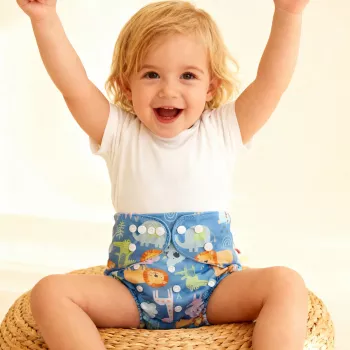
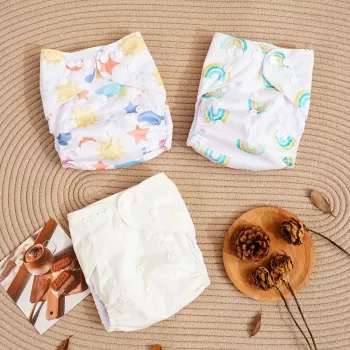
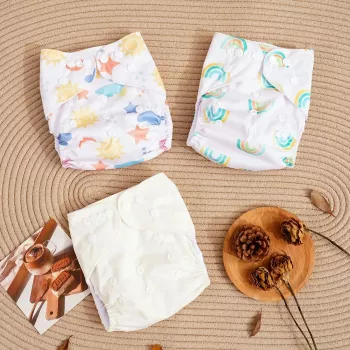
Cloth diapering can be simple, comfortable, and budget-friendly when the fit and materials are right. Our team designed our Reusable Adjustable Suede Cloth Pocket Diapers – One-Size for 6–33 lbs to grow with your baby from 6–33 lbs, using an easy pocket style that lets you customize absorbency for quick daytime changes, naps, outings, and overnight.

What makes a pocket diaper easy to use day to day

Pocket diapers are popular because they keep the routine straightforward for parents, grandparents, and caregivers while still letting you fine-tune absorbency.

  • Adjustable absorbency without changing fit: The pocket design separates the baby-facing layer from the insert(s), so you can add or reduce absorbency while keeping the same waist and rise settings.
  • One-size convenience: One-size adjustability (6–33 lbs) supports a longer wear window, which can reduce the number of diaper sizes you need as your baby grows.
  • Comfort-focused inner layer: Suede cloth is chosen for a soft feel and quick moisture transfer toward the absorbent insert, supporting a drier sensation between changes.
  • Reusable rhythm: Once you have a wash routine that works, diaper changes stay familiar—just like disposables, but with less trash over time.

Fit that grows: getting a comfortable seal from 6–33 lbs

A leak-free cloth diaper almost always starts with fit. If you’re adjusting a one-size diaper for the first time, take it in this order: rise, waist, then legs.

  1. Start with rise adjustment: Use the front snaps (or your diaper’s adjustment system) to match the diaper height to your baby’s current size. A good goal is sitting below the belly button without drooping in back.
  2. Set the waist next: Fasten so it’s snug but not tight—two fingers should slide under the waistband comfortably. You want security without leaving deep marks.
  3. Check leg openings last: Run a finger around each leg to ensure the inner edge is tucked in and sitting in the “bikini line.” This helps prevent gaps and wicking at the thighs.
  4. Re-fit after stuffing: Inserts add bulk. Once the pocket is stuffed, do a quick re-check at legs and waist to make sure nothing is being forced open.

Quick fit checks

Area What to look for Common fix
Waist Secure, no red marks or gaping Adjust tabs/snaps to reduce gaps; avoid over-tightening
Rise Back sits level; diaper doesn’t droop Shorten rise for smaller babies; lengthen as baby grows
Legs No winging at thighs; inner edge tucked in Smooth and tuck leg elastic; reduce bulk if needed
Absorbency No compression leaks; insert fully inside pocket Use appropriate insert material/quantity for time of wear

Custom absorbency: how to stuff a pocket diaper for different moments

The “pocket” is your flexibility point. You can build absorbency for the situation without needing a different diaper style.

  • Everyday changes: For typical daytime frequency, many families do best with a simpler insert setup and more frequent changes.
  • Naps and longer stretches: Add absorbency by layering inserts inside the pocket. If you’re combining inserts, placing the faster-absorbing option closer to the top of the stack can help with quick wetters.
  • Overnight: Build for duration—more absorbency plus a secure fit. Avoid overstuffing to the point that the waist or legs gap; a “maxed-out” diaper that doesn’t seal can leak faster than a slightly trimmer one.
  • Outings and car rides: Aim for both absorbency and comfort. Make sure inserts lay flat so they don’t bunch and create pressure points or shifting.

If you notice leaks only when clothes are tight (like snug sleepers or tight pants), that can be a compression issue—switching to looser layers often helps.

Washing and care basics for reusable diapers

For general hygiene best practices, you can also reference guidance from the CDC. For diaper rash basics and skin care tips, the American Academy of Pediatrics is a helpful starting point.

Building a simple stash: how many to keep on hand

Stash planning at a glance

Laundry cadence Typical daily changes Suggested starting range
Every 1–2 days 8–12 16–24 diapers (plus extra inserts)
Every 2–3 days 8–12 24–36 diapers (plus extra inserts)
Every 3–4 days 8–12 32–48 diapers (plus extra inserts)

Troubleshooting: common leak and comfort issues

Choosing reusables can also reduce disposable waste over time; for broader context on materials and waste, the U.S. Environmental Protection Agency offers useful background.

In-stock picks from our store

FAQ

What does one-size 6–33 lbs mean for fit over time?

It means the diaper adjusts in rise and waist to span a wide weight range, so you can change the settings as your baby grows. Fit still varies by body shape, so start by setting the rise, then adjust the waist, and finish by sealing the legs.

How many inserts should be used in a pocket diaper?

For daytime, use what matches your usual change frequency; for naps or longer stretches, add an extra insert layer. For overnight, increase absorbency while avoiding overstuffing that creates gaps at the legs or waist.

How often should reusable pocket diapers be washed?

Many families wash every 1–3 days to keep odors down and make cleaning easier. A simple routine is a short pre-wash followed by a main wash, with enough rinsing to leave fabrics clean and residue-free.

Was this article helpful?

Yes No
Leave a comment
Top

Shopping cart

×