Portable 5-Blade Razor: Smooth Bikini, Body & Face Shaves
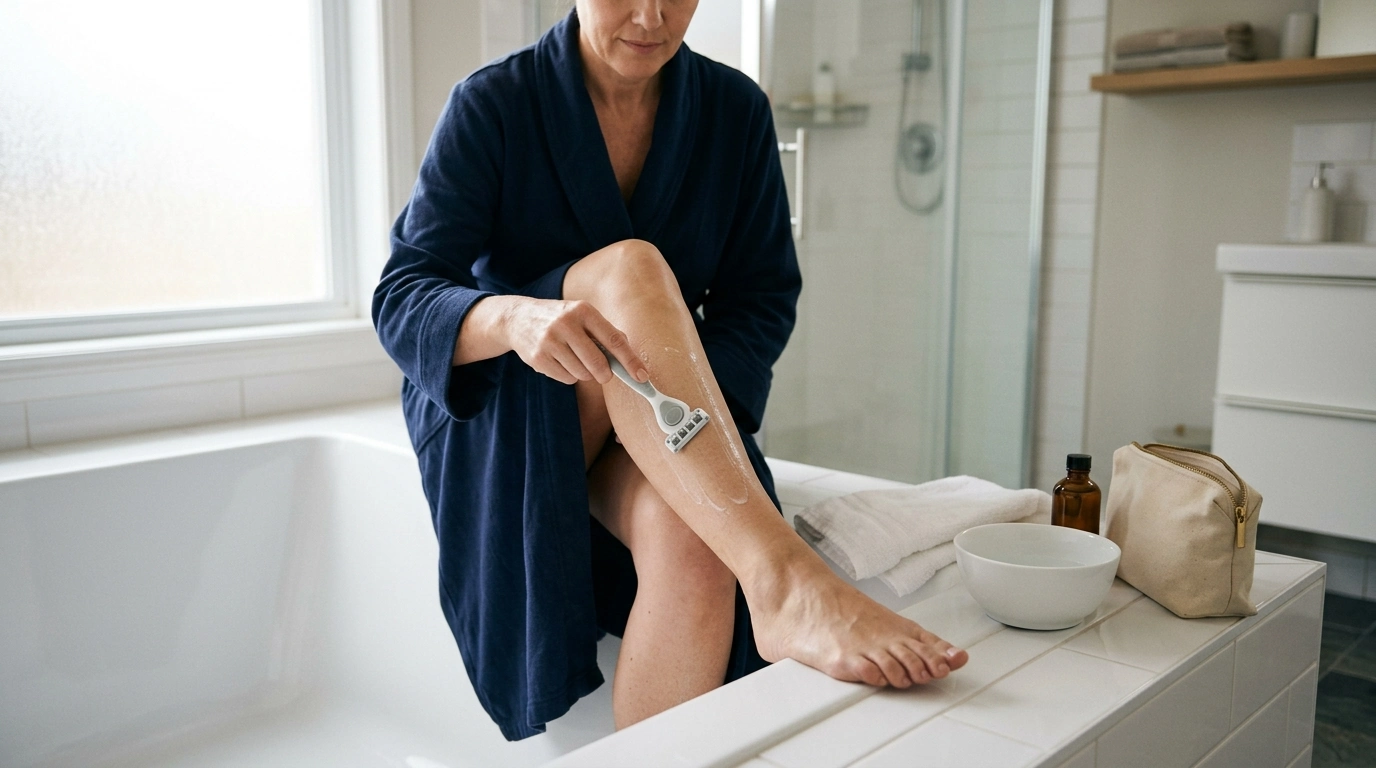
Smooth Shaving Anywhere: Why a Portable 5-Blade Razor Helps
A compact 5-blade razor can simplify hair removal across different areas—bikini line, legs, underarms, and even gentle facial touch-ups—when the design balances closeness with control. The goal isn’t just “baby-smooth” skin; it’s getting a close shave with fewer bumps, less redness, and less temptation to go over the same spot again and again. Below are practical ways to prep, shave, and care for skin so a portable multi-blade razor stays comfortable, especially in sensitive zones.
What a Portable 5-Blade Razor Is Best For
- Bikini line: Controlled passes along edges and crease-prone areas where irritation is common.
- Body shaving: Legs and arms benefit from multi-blade efficiency that can reduce repeated strokes.
- Underarms: A compact head can follow curves more easily, helping minimize nicks.
- Face touch-ups: Only for women who already shave facial hair—use light pressure and a fresh, clean blade.
- Travel and gym bags: Portable format makes quick maintenance easier between full routines.
How 5 Blades Affect Closeness and Comfort
More blades can mean more hair cut per pass, which can be helpful when used with a light hand. Comfort, however, usually comes down to technique and blade condition more than blade count.
- Fewer passes can reduce friction: A multi-blade head may help you get smooth results without repeatedly scraping the same patch.
- Pressure matters most: Pressing harder increases the chance of razor burn and micro-cuts, especially on the bikini line and underarms.
- Fresh blades shave cleaner: Dull blades can tug hair, which often leads to redness, bumps, and that “stinging” feeling mid-shave.
- Control beats speed: A stable handle and maneuverable head are especially valuable around bikini contours and underarm curves.
- For very sensitive skin: Prioritize gentle technique and fewer strokes over chasing the closest possible finish.
For additional basics on safe shaving habits, the American Academy of Dermatology offers a helpful overview: How to shave (AAD).
Prep That Reduces Razor Burn (Especially for Bikini and Underarms)
Prep is where most irritation gets prevented. When hair is softened and skin is properly lubricated, the razor can glide instead of dragging.
- Soften hair first: Shave after a warm shower, or apply a warm, wet compress for 2–3 minutes.
- Cleanse the area: Remove sweat, deodorant, sunscreen, and heavy oils that can clog blades and cause skipping.
- Use a slick shaving medium: Shave gel/cream or a fragrance-free body wash with good slip helps reduce friction.
- Exfoliate strategically: Light exfoliation 1–2 times per week can help reduce ingrowns; avoid harsh scrubs right before shaving sensitive zones.
- Trim long hair first (if needed): It helps prevent tugging and reduces clogging—especially in the bikini area.
Shaving Technique by Area
Bikini line
Start with the grain using short strokes, and rinse the blade often. Gently stretching the skin with your free hand can create a flatter surface so the razor doesn’t catch in folds. If you want closer results, re-lather and take a second pass only where needed—still with light pressure.
Underarms
Underarm hair often grows in more than one direction, so start with the grain and only change direction if stubble remains. Keep pressure minimal and avoid shaving over deodorant residue, which can create drag and increase irritation.
Legs and arms
Use long, even strokes on well-lathered skin. If you feel the razor skipping, add more gel/cream rather than pushing harder. Avoid “polishing” the same area repeatedly; that’s a common reason legs feel itchy afterward.
Face (touch-ups)
Cleanse first, apply a thin layer of gentle shave gel, and shave with the grain using very light strokes. Skip active acne, inflamed bumps, or flaky, irritated patches to avoid making redness worse. If facial shaving is new to you or irritation is frequent, consider checking with a dermatologist.
When to stop
Quick Comparison: Where a Portable 5-Blade Razor Fits Best
| Area | Best approach | Common mistake | Aftercare focus |
|---|---|---|---|
| Bikini line | Short strokes with the grain; rinse often | Pressing hard to chase closeness | Cool rinse + fragrance-free moisturizer |
| Underarms | Light pressure; follow hair growth pattern | Dry shaving or shaving over deodorant | Soothe + avoid deodorant for a few hours |
| Legs | Steady strokes; re-lather as needed | Repeated passes on dry skin | Hydrate skin to reduce itchiness |
| Face (touch-ups) | Very light strokes; fresh blade only | Shaving irritated skin or active breakouts | Gentle, non-comedogenic moisturizer |
Aftercare to Keep Skin Calm and Reduce Ingrowns
If ingrowns are a recurring issue, this overview is a useful reference: Ingrown hair (Mayo Clinic).
Cleaning, Storage, and When to Replace the Blade
Portable Grooming Picks to Consider
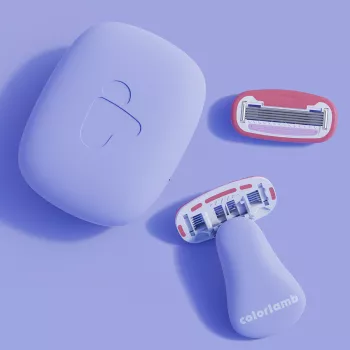
If you want a compact option that fits multi-area routines, Portable 5-Blade Razor for Women – Bikini, Body & Face Hair Removal is designed for quick touch-ups at home, while traveling, or after the gym. Pairing a portable razor with a gentle shave gel and consistent aftercare typically improves comfort more than switching tools frequently.
To round out a simple self-care kit, consider 4 in 1 Nail Rhinestone Gel for at-home nail finishing—especially when you’re already refreshing your routine before a trip or event.
FAQ
Can the same razor be used for bikini, body, and face?
Yes, but hygiene and sensitivity matter. Rinse thoroughly, use a clean blade, and consider reserving the freshest blade for the face and bikini area; avoid shaving over irritated skin.
How can razor bumps in the bikini area be reduced?
Shave with the grain first using light pressure and short strokes, and keep skin well-lubricated. Focus on soothing aftercare, exfoliate on non-shave days, and avoid tight friction right after shaving.
How often should blades be replaced?
Replace when tugging begins or extra passes are needed. How often depends on hair thickness, how many areas you shave, and how well you clean and dry the razor between uses.















Leave a comment