Ceramic Butter Keeper: Water-Seal Jar for Fresh Spreads
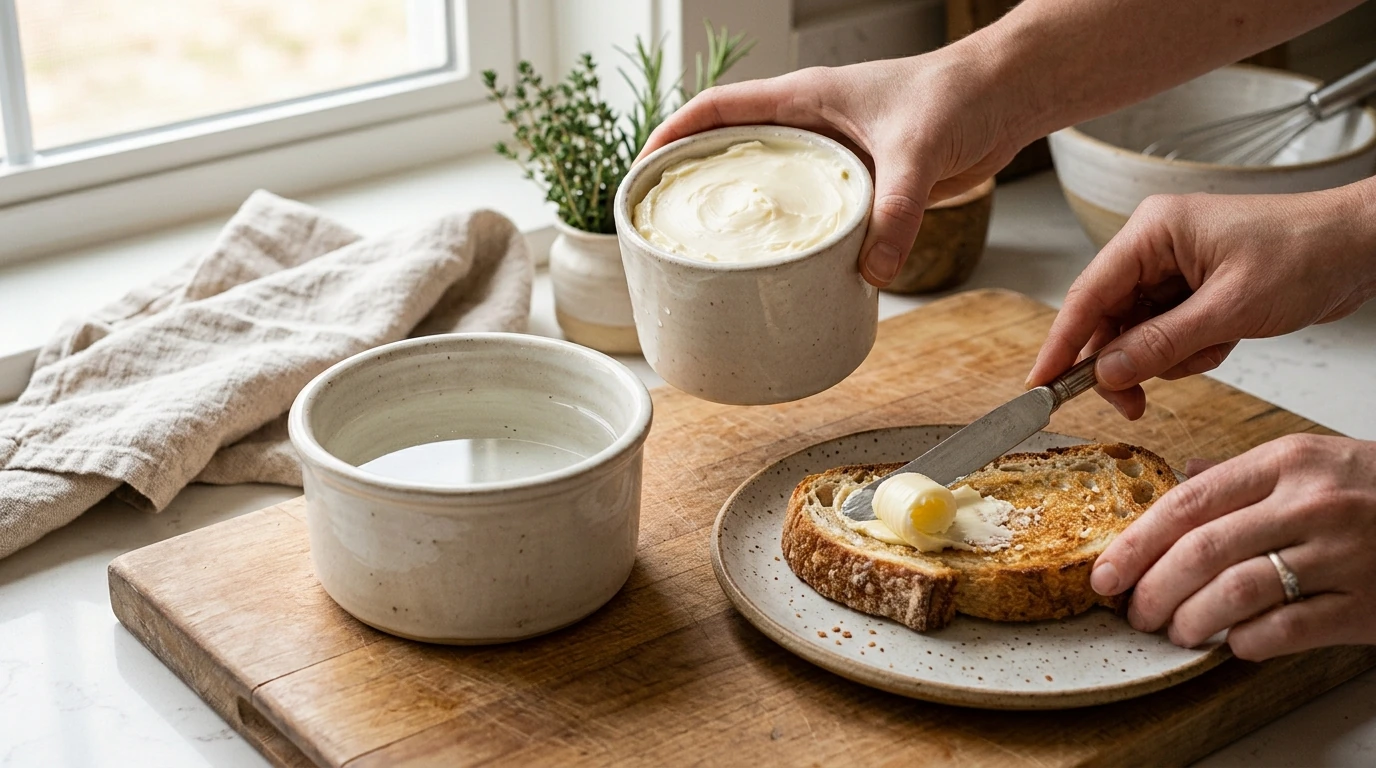
Ceramic Butter Keeper & Multi-Use Fresh-Keeping Jar
A ceramic butter keeper can keep butter soft and ready to spread while also doubling as a compact fresh-keeping jar for small kitchen staples. Instead of cutting into rock-hard butter straight from the fridge, a water-seal style keeper helps limit air exposure so the surface stays smoother and less dried out. The same lidded ceramic container can also earn its spot on the counter (or in the fridge) as a tidy jar for small, frequently used foods that benefit from a bit of shielding from air and light.
If you’re looking for a countertop container that does more than one job, the Ceramic Butter Keeper & Multi-Use Fresh-Keeping Jar is designed for daily convenience without turning your kitchen into a collection of single-purpose gadgets.
What it is and why ceramic matters
A classic butter keeper is built around a simple idea: slow down exposure to oxygen (which can contribute to oxidation and stale flavors) and reduce surface drying. Many designs do this with a water seal that creates a barrier between the butter chamber and outside air.
Ceramic is especially well-suited for the job. Compared with thin plastic, ceramic can buffer short-term temperature swings a bit better, and it tends to feel stable on the counter. It’s also naturally opaque, which can be helpful when you want to reduce light exposure for certain foods. Beyond butter, a lidded ceramic jar works nicely as a small fresh-keeping container for items you reach for often—think small spreads, mix-ins, or serving portions that you want covered and easy to grab.
How the water-seal style butter keeper works
Most water-seal butter keepers use two parts: an inner cup (sometimes called a bell) and an outer base. Butter is packed into the inner cup, and the base holds a small amount of water. When assembled, the water forms a seal that reduces airflow into the butter chamber.
That seal helps in two practical ways: it limits oxygen contact (which can contribute to off flavors over time) and helps keep the surface from crusting or drying as quickly. The water does require routine care—refreshing it regularly keeps the seal cleaner and helps minimize odors.
Results depend on your real kitchen conditions. A cool, steady room temperature, moderate humidity, and fewer lid openings generally improve performance. If your kitchen runs warm or temperature swings a lot during the day, refrigeration may be the better default for food safety and freshness.
Quick setup checklist
| Step | What to do | Why it helps |
|---|---|---|
| Soften slightly | Let butter sit briefly until pliable (not melted) | Packs tightly with fewer air gaps |
| Pack firmly | Press butter into the keeper to the edges | Less trapped air reduces drying/oxidation |
| Add fresh water | Fill base to the recommended level | Creates the water seal |
| Refresh on schedule | Change water every few days (sooner in warm kitchens) | Keeps seal clean and minimizes odors |
Using it as a multi-use fresh-keeping jar
A ceramic butter keeper’s “small, lidded, countertop-ready” format makes it useful beyond butter. The snug lid and opaque ceramic body can help reduce exposure to air and light for foods you’re using up within a short window. That’s especially handy for small servings that don’t need a full-size container.
For food safety, avoid long-term storage of highly perishable foods at room temperature. When in doubt, refrigerate and follow reputable storage guidance such as the FoodSafety.gov Cold Food Storage Chart and the USDA FoodKeeper App.
Multi-use ideas and best placement
| Use | Best place | Tip for best results |
|---|---|---|
| Butter for daily spreading | Countertop (cool spot) | Keep away from sunlight and heat sources |
| Herb/compound butter | Refrigerator (or short countertop use) | Label the mix date; use clean utensils |
| Small-batch jam or honey (serving jar) | Table or pantry | Wipe rim clean to help the lid seal well |
| Roasted garlic cloves (short-term) | Refrigerator | Use within a safe window; keep covered |
Care, cleaning, and keeping flavors fresh
Practical tips for best results on the countertop
For more everyday cooking ideas that pair well with easy-to-spread butter (toast upgrades, budget-friendly sides, quick sauces), consider adding Great Meals, Small Budget to your kitchen reference shelf.
When to refrigerate instead
If anything smells off, looks discolored, or the water seal turns cloudy, discard the contents and sanitize the jar before using it again. Households with vulnerable individuals—older adults, young children, pregnant people, or anyone immunocompromised—may prefer stricter refrigeration practices as an extra precaution. For general food-safety fundamentals, review guidance from the USDA Food Safety and Inspection Service.
Ceramic Butter Keeper & Multi-Use Fresh-Keeping Jar at a glance
Key details
| Attribute | Value |
|---|---|
| Product | Ceramic Butter Keeper & Multi-Use Fresh-Keeping Jar |
| Price | 30.67 USD |
| Availability | In stock |
| Product page | https://wepalo.com/ceramic-butter-keeper-multi-use-fresh-keeping-jar/ |
FAQ
How often should the water be changed in a butter keeper?
Change the water every few days in most kitchens, and more often if your home is warm. Use clean water each time and give the base a quick rinse to help prevent odors and keep the seal effective.
Can unsalted butter be kept in a countertop butter keeper?
It can, but unsalted butter is generally more prone to spoilage than salted butter. Keep it in a cool spot, limit how long it sits out, and refrigerate if your kitchen is warm or your usage is slow.
What else can a ceramic butter keeper be used for besides butter?
It works well as a small serving jar for honey or jam, or for short-term storage of compound butter and other spreads. For more perishable foods, use refrigeration and avoid leaving them at room temperature for extended periods.












Leave a comment