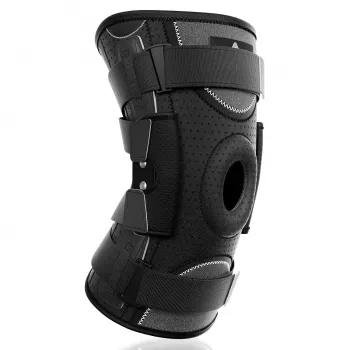
Knee pain has a way of showing up at the worst times—stairs, long shifts, weekend sports, or even a simple walk. A hinged knee brace is designed to add structure around the joint while still letting the knee bend naturally. Our team put together this guide to help you understand when hinged support makes the most sense, how to dial in the fit without over-tightening, and how to use a brace comfortably through the day.
A hinged brace is often a smart step up when you need more than “just compression.” The hinges add side support, which can be useful when the knee feels unstable or you’re trying to stay active while managing recurring discomfort.
| What’s bothering the knee | Often works well | Why it can help |
|---|---|---|
| Side-to-side wobble or unstable feeling | Hinged knee brace | Hinges help stabilize the joint line and reduce unwanted lateral movement |
| General soreness with activity (walking, chores) | Compression sleeve or light brace | Compression can improve comfort and awareness of knee position |
| Discomfort during squats or workouts | Hinged brace or supportive sleeve (depending on stability needs) | Added structure may increase confidence while keeping bend/extend motion available |
| Post-activity flare-ups | Brace during activity + rest/ice afterward | Support can reduce strain during movement; recovery steps can calm symptoms |
If you’re dealing with persistent knee pain or an injury history, reputable overviews like the American Academy of Orthopaedic Surgeons (AAOS) can help you understand common causes and when to seek care. For arthritis-related pain patterns, the NIAMS osteoarthritis resource is also a solid starting point.
Compared with a simple sleeve, hinged support tends to feel more “anchored” around the joint—especially during transitions like sit-to-stand, stair climbing, or quick turns in daily life.
A good fit should feel supportive and stable—never like it’s cutting off circulation. Use these steps to set the brace up once, then fine-tune it after a few minutes of movement.
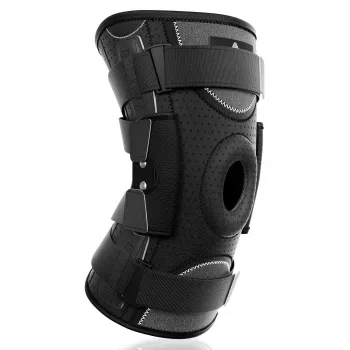
When you need reliable side support for walking, work shifts, or gym sessions, our Hinged Knee Brace for Pain Relief is a practical option to keep on hand for activity-based comfort.
To round out your day-to-day routine, our team also keeps a couple of “comfort and consistency” helpers in stock: Great Meals, Small Budget for simple meal planning when you’re prioritizing recovery habits, and the Cute Apple House Kitten Plush – Soft Detachable Cat Plush Toy for a cozy wind-down at home after being on your feet.
Some people find hinged support improves comfort and stability during activity, especially when the knee feels less steady. Arthritis type and severity vary, so persistent pain is worth discussing with a clinician, and bracing often works best alongside strengthening and activity changes.
It should feel secure but not restrictive, with no numbness, tingling, or coldness in your foot. Tighten straps gradually, then walk and bend your knee for a few minutes and re-adjust so it stays in place without digging in.
Many people start with activity-based wear and build tolerance over time, taking breaks as needed. If you notice skin irritation or circulation issues, stop wearing it and consider getting professional guidance for long-term, daily use.




Leave a comment