GPS Cycling Computer + Wireless Speed Sensor: Stable Stats
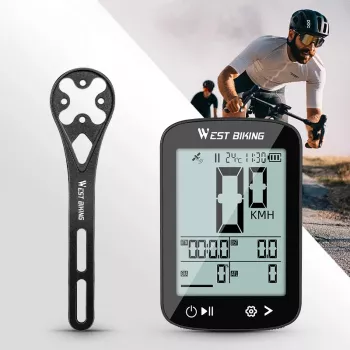
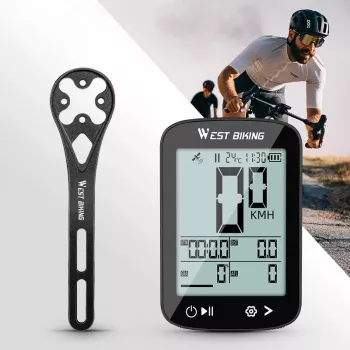
GPS Cycling Computer with Wireless Speed & Distance Tracking
Reliable ride data makes training, commuting, and weekend exploring easier. A GPS cycling computer paired with a wireless speed sensor can deliver consistent distance, speed, and ride summaries across changing terrain, tree cover, and stop-and-go city streets—without relying on a phone battery. For riders who prefer a dedicated screen on the bars, this setup keeps the essentials visible at a glance while logging rides for later review.
What It Tracks and Why It Matters
A cycling computer earns its place on the handlebar by turning every ride into clear, repeatable numbers. Whether you’re building fitness or simply trying to get to work on time, these metrics help translate effort into progress.
- Current speed, average speed, and max speed for pacing efforts and comparing rides over time.
- Trip distance and total distance to monitor weekly volume and keep an eye on bike usage.
- Ride time and moving time to separate actual pedaling from stops at lights, stores, or cafés.
- GPS route recording for post-ride review and sharing with compatible apps.
- Wireless wheel-based speed support for steadier readings when GPS signals are weak.
GPS is a powerful foundation for tracking outdoors. For a quick background on how GPS works and why signal conditions vary, see GPS.gov.
GPS vs. Wireless Speed Sensor: When Each One Helps Most
GPS and wheel-based speed sensing solve different problems. Many riders start with GPS-only because it’s simple. Adding a wireless speed sensor can make instant speed and distance feel more “locked in,” especially where satellite reception isn’t perfect.
- GPS excels for mapping, overall distance, and a straightforward setup with fewer components.
- A wireless wheel speed sensor can provide more stable instant speed in tunnels, dense tree cover, or urban “canyons.”
- Using both together can improve consistency: the sensor stabilizes speed while GPS supports route logging and distance validation.
- Indoor trainer sessions may still benefit from a wheel sensor when GPS is unavailable.
Tracking methods at a glance
| Method | Best for | Limitations | Tips for better results |
|---|---|---|---|
| GPS tracking | Routes, outdoor distance, basic speed trends | Signal dropouts near tall buildings, heavy canopy, tunnels | Start recording in an open area; allow time to lock satellites |
| Wireless wheel speed sensor | Steady instant speed, consistent distance on known wheel size | Needs correct wheel circumference; battery/sensor mounting | Measure wheel circumference; check sensor alignment periodically |
| GPS + sensor together | Most consistent speed + mapped rides | More setup steps; two power sources | Pair once, then keep mounts secure and batteries fresh |
If your sensor uses standard wireless protocols, compatibility often depends on the device profile supported. The ANT+ overview of cycling sensor profiles is a helpful reference: ANT+ Device Profiles.
Key Features to Look For on the Road
The best cycling computer is the one you can read and operate easily when you’re moving. Comfort and safety matter as much as features.
- Clear, readable display: large digits and strong contrast help quick glances in bright sun or shade.
- Easy button controls: reliable operation with gloves and in wet conditions.
- Quick-start and satellite acquisition: less waiting at the start of a ride.
- Auto pause and auto lap options: cleaner ride logs for stoplights, intervals, and loops.
- Mount stability: a secure handlebar or stem mount reduces vibration and accidental drops.
- Battery life expectations: prioritize longer runtime if planning longer rides or multi-day trips.
Setup and Calibration for Accurate Speed and Distance
Most “accuracy issues” come down to setup details rather than the device itself. A few careful minutes up front can save a season of confusing data.
Using Ride Data for Training and Everyday Riding
For riders who upload to training platforms, the basics of device activity handling can vary by brand and file type. If you use Strava, their documentation is a clear starting point: Strava Support.
Care, Weather Use, and Troubleshooting
Product Pick: GPS Cycling Computer with Wireless Speed & Distance Tracking
If you want dedicated ride stats without depending on a phone screen, GPS Cycling Computer with Wireless Speed & Distance Tracking covers the core metrics with GPS support plus wireless speed/distance tracking for steadier readings. It’s a practical fit for commuting, weekend mileage, and basic training sessions where consistent speed and distance are the priorities.
Quick details
| Item | Details |
|---|---|
| Product | GPS Cycling Computer with Wireless Speed & Distance Tracking |
| Price | 41.51 USD |
| Availability | In stock |
| Link | View product |
Also in stock
- New Balance 550 Sneakers for comfortable off-bike wear.
- Elegant Structured Crocodile Pattern Leather Shoulder Bag – Soft Texture for everyday carry.
- Cute Apple House Kitten Plush – Soft Detachable Cat Plush Toy as a fun gift add-on.
FAQ
Does a wireless speed sensor make distance more accurate than GPS?
It can be steadier in places where GPS struggles (tunnels, heavy tree cover, tall buildings), because it measures wheel rotations. Accuracy depends on correctly setting wheel circumference and keeping the sensor mounted securely, while GPS remains excellent for route logging and general outdoor distance.
Will it work on a stationary trainer?
GPS typically won’t help indoors, since it needs satellite reception. A wheel speed sensor can still provide speed and distance as long as the wheel turns and the cycling computer supports recording from the sensor without GPS.
How do you set wheel circumference for correct speed and distance?
Measure a tire rollout on the ground with rider weight on the bike, then enter the result in millimeters on the device. Recheck the setting after tire changes or significant pressure changes, since those can alter the effective circumference.













Leave a comment