Birkenstock Black Suede Slippers for Fall/Winter Comfort
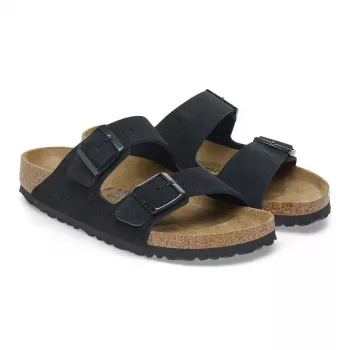
Cool-weather comfort often comes down to the right indoor footwear: warm enough for chilly floors, supportive enough for long mornings at home, and easy to slip on between tasks. These Birkenstock women’s black suede slippers are designed for fall and winter routines, pairing a soft suede upper with the brand’s comfort-focused feel in a streamlined, everyday style.
What Makes These Slippers a Strong Cold-Season Pick
When temperatures drop, slippers stop being a “nice-to-have” and start functioning like daily gear. A black suede pair is especially practical because it looks polished, feels cozy, and transitions smoothly from bedroom to kitchen (and, occasionally, to the porch).
- Suede upper: Adds a soft, warm-touch feel that suits indoor fall/winter use.
- Slip-on profile: Convenient for quick wear around the house or for short errands.
- Neutral black color: Pairs easily with loungewear, denim, and layered outfits.
- Comfort-forward build: Intended for extended wear on hard indoor flooring.
For anyone who stands a lot at home—making breakfast, packing lunches, tidying up, or working at a standing desk—supportive slippers can feel closer to a “real shoe” than a flimsy house slide, without sacrificing comfort.
Comfort and Support: What to Pay Attention To
Not all slippers feel great after hour three. Fall and winter wear often means longer indoor time and colder, harder floors—two things that can expose weak support fast. Foot health organizations like the American Podiatric Medical Association (APMA) emphasize the role of supportive footwear in daily comfort, especially when walking and standing on firm surfaces.
Quick comfort checklist for fall/winter slippers
| Feature | Why it matters in cooler months | What to look for |
|---|---|---|
| Upper material | Warmth and cozy feel | Soft suede with a secure fit |
| Footbed support | Less foot fatigue on hard floors | Stable, shaped support under arch/heel |
| Outsole grip | Fewer slips on smooth indoor surfaces | Textured sole with reliable traction |
| Ease of wear | Convenience for busy home routines | Slip-on access with a snug hold |
| Temperature balance | Comfort without overheating | Materials that feel warm but not stifling |
Two key “feel” factors tend to make the biggest difference: structure (how stable the footbed feels under the arch and heel) and traction (how confidently you can move across wood, tile, or laminate). If your floors get cold and slick in winter, prioritize a slipper that doesn’t twist underfoot and that has a dependable outsole.
For general foot comfort tips—especially if you deal with tired feet—resources like Cleveland Clinic’s health library can be a helpful reference point for everyday care habits and when to pay closer attention to recurring soreness.
Fit Notes: Getting the Right Size and Feel
A supportive slipper only works as intended when the fit is right. The goal is a secure hold through the midfoot and heel without pressure points across the top of the foot.
- Secure but not tight: Aim for a steady heel and midfoot hold without pinching; suede can relax slightly with wear.
- Sock planning matters: If thicker winter socks are part of the routine, make sure there’s enough room to avoid pressure on the instep.
- Stability comes from fit: A proper fit helps maintain control when moving from carpet to hard flooring.
- Between sizes: Prioritize a fit that prevents the foot from sliding forward during steps, which can cause toe crowding and fatigue.
A simple at-home test: walk normally and then take a few quicker steps. If your foot “surfs” forward or the heel lifts excessively, the size or width may not be right for long wear.
Suede Care for Wet, Slush, and Everyday Indoor Use
Suede looks elevated, but it rewards a little routine care—especially in fall and winter when moisture is more common. Brand-level guidance on materials and upkeep can be found at Birkenstock.
- Brush regularly: Use a suede brush to lift the nap and remove dust from indoor wear.
- Spot-clean gently: Avoid soaking; excess water can stiffen suede and leave marks.
- Protect before the season: Apply a suede protector spray if you expect brief outdoor wear.
- Air-dry only: Let them dry away from direct heat sources to preserve shape and texture.
If the slippers do go outside, treat it like “quick-step use”: dry pavement, short duration, then a light brush once you’re back indoors to keep the suede from looking flattened or dusty.
Styling Ideas for Fall and Winter at Home
Black suede is a quiet workhorse—it blends into most cold-weather wardrobes and looks intentional even in casual outfits.
When These Slippers Are the Best Choice (and When to Consider Another Option)
Price, Value, and What’s Included
Related Picks to Round Out Your Cool-Weather Routine
- New Balance 550 Sneakers $75.51 — a sturdy option for outdoor errands when you want to give suede a break.
- Elegant Structured Crocodile Pattern Leather Shoulder Bag – Soft Texture $124.47 — an easy way to elevate simple cold-weather layers.
- Cute Apple House Kitten Plush – Soft Detachable Cat Plush Toy $30.51 — a cozy add-on for gift season or staying-in weekends.
FAQ
Are suede slippers warm enough for winter?
Suede usually feels cozy and helps block some chill from cold floors, but warmth depends on your home temperature and whether the slipper is lined. For colder houses, thicker socks can make a noticeable difference.
Can these be worn outside?
They can work for quick steps outdoors in dry conditions, especially if the outsole has decent grip. Protecting the suede, avoiding rain or snow, and brushing off dirt afterward helps keep the upper looking good.
How should suede slippers be cleaned?
Use a suede brush regularly to lift the nap and remove dust, and spot-clean marks gently with minimal water. Let them air-dry away from heat, and consider a suede protector spray to help prevent staining.











Leave a comment