120000RPM Ultra-Fast Hair Dryer: Ions + Smart Temp
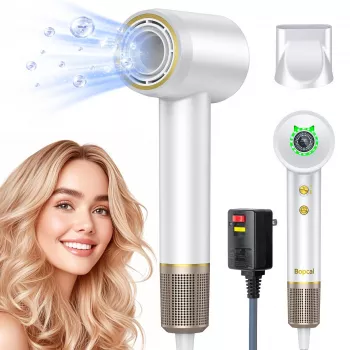
120000RPM Ultra-Fast Hair Dryer with Intelligent Temperature Control
A high-speed hair dryer built around a 120,000RPM motor and concentrated airflow can cut drying time while keeping styling more consistent. With negative ion output and intelligent temperature control, the goal is faster results with less frizz and fewer heat-related surprises across different hair types.
What Makes a High-Speed Dryer Feel Different
The “high-speed” difference usually isn’t just about heat—it’s about how quickly moving air can push water off the hair surface so strands spend less time exposed to warmth.
- High RPM + focused airflow: Stronger, more directed air helps move water away fast, reducing how long hair stays hot during drying.
- 36m/s airflow (with a well-shaped nozzle): Better reach at the roots can speed up rough-drying, which is where many routines lose time.
- Negative ion output: Can help reduce static and flyaways for a smoother finish—especially in dry climates or during winter.
- Intelligent temperature control: Designed to keep heat steadier as distance, hair density, and room humidity shift while you work.
Key Features to Look For in Daily Use
Specs are helpful, but everyday results usually come down to control: how easily the dryer lets you switch from fast moisture removal to precise shaping.
- Fast rough-dry: Start with high airflow to remove most moisture, then switch to lower heat for shaping and smoothing.
- Multiple heat and speed combinations: Makes it easier to tailor airflow for fine hair, curls, or thick hair near the scalp.
- Cool shot or cool mode: Helps set the cuticle after drying and can improve shine and hold for blowouts.
- Balanced weight and grip: Comfort matters for longer sessions; a dryer that feels easy to hold is more likely to be used consistently.
How Intelligent Temperature Control Helps Hair Comfort
One of the most noticeable “quality” differences in a dryer is how it feels on the scalp and how predictable it is from root to ends.
- Stabilizes heat during movement: As you move closer or farther, smart control can reduce sudden spikes that feel “too hot” at the scalp line.
- Supports consistent styling: Steadier heat helps create predictable tension and shape when using a brush, especially at the crown.
- Pairs best with good technique: Keep the nozzle moving, direct airflow down the hair shaft, and avoid hovering on one spot.
- Still use heat protection: Temperature control helps, but it’s not a substitute for a thermal protectant when heat styling.
For broader hair-damage prevention habits (like minimizing unnecessary heat exposure and being gentle with wet hair), the American Academy of Dermatology Association’s hair care tips are a solid reference.
Negative Ions, Frizz, and Shine: What to Expect
Negative ion technology is often associated with smoother blowouts, but results depend heavily on hair porosity, humidity, and routine. Think of ions as a “finish improver” rather than a replacement for technique.
- Smoother surface feel: Many users notice less static and fewer flyaways, particularly on color-treated or porous hair.
- Frizz control works best with technique: Towel-blot gently, detangle, apply leave-in or cream, then dry in sections with airflow directed downward.
- Curly and wavy hair: Lower heat with steady airflow can help reduce puffiness; a diffuser (if available) can improve curl definition.
- Oily scalps vs. dry ends: Faster drying at the roots can improve comfort, while controlled heat helps avoid overdrying the lengths.
Performance Expectations by Hair Type
A 120,000RPM-class dryer can feel “too powerful” at first. The best results usually come from pairing high airflow with the right heat level for your texture.
Feature Snapshot: High-Speed Dryer vs. Traditional Dryer
| Category | High-speed (120,000RPM class) | Traditional dryer (typical) |
|---|---|---|
| Drying speed | Often faster due to concentrated airflow and motor efficiency | Often slower, relies more on heat and broad airflow |
| Frizz/static control | Negative ions can reduce flyaways and static for many hair types | May require more product/technique to manage static |
| Heat consistency | Intelligent temperature control can smooth out fluctuations | Temperature can vary more with distance and usage pattern |
| Styling control | Strong airflow can improve root drying and brush work | May need higher heat for similar shaping on thick hair |
| Scalp comfort | Steadier heat can feel less harsh when used close to the roots | Hot spots more likely if held too close |
Setup, Technique, and Daily Routine Tips
Care, Safety, and Longevity
When evaluating product claims and comparisons, it’s also helpful to know the basics of truthful advertising and how claims should be supported. The Federal Trade Commission’s advertising and marketing guidance is a useful overview.
Shop In-Stock Picks
- 120000RPM Ultra-Fast Hair Dryer – 36m/s High-Speed, Negative Ion, Intelligent Temp Control
- 4 in 1 Nail Rhinestone Gel
- Cute Apple House Kitten Plush – Soft Detachable Cat Plush Toy
FAQ
Is a 120000RPM high-speed hair dryer safe for everyday use?
It can be safe for daily use when you keep the airflow moving, choose a comfortable heat level, and use a heat protectant. Intelligent temperature control can help reduce sudden heat spikes, and regular filter cleaning helps maintain proper airflow.
Do negative ion hair dryers actually reduce frizz?
They often help reduce static and flyaways, which can make hair look smoother and shinier. Results vary with humidity, hair porosity, and products, so aim airflow downward and finish with cool air for best results.
What heat and speed settings work best for thick hair?
Start with high airflow to rough-dry quickly, then shift to medium heat for better control while shaping with a brush. Sectioning makes a big difference, and it’s still important not to hold the dryer too close to one area for too long.












Leave a comment