Under-Pillow Bluetooth Sleep Speaker for Quiet Bedtime
Bedtime Audio Without the Room-Filling Volume
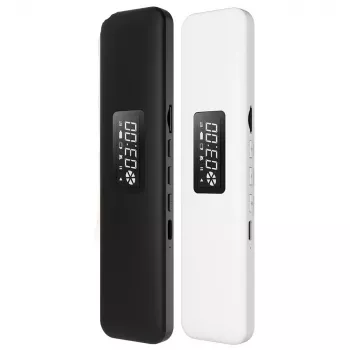
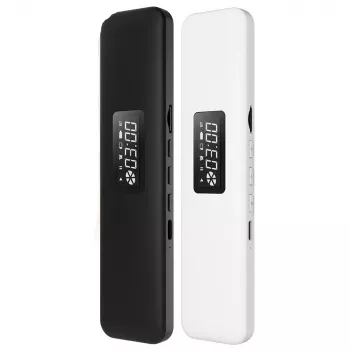
A compact speaker designed for bedtime listening can deliver calming audio without turning the whole room into a soundstage. The Pocket Bluetooth Speaker – Under Pillow Bone Conduction Sleep Sound Box is made to sit under a pillow or close to the sleeper, using vibration-style sound transfer to keep volume low and reduce disruption for partners or roommates. It’s a practical option for white noise, ambient tracks, guided relaxation, audiobooks, or quiet late-night videos—especially when earbuds feel uncomfortable for side sleepers.
What It Is and How Under-Pillow Sound Works
This is a pocket-sized Bluetooth speaker intended for close-range listening during sleep routines, travel, or naps. Instead of trying to project audio across a room, it’s designed to work best when placed very near the listener.
Under-pillow placement relies on contact and vibration to transmit sound through the pillow material. When the speaker rests against (or just beneath) a pillow, the fabric and fill act like a soft filter—reducing “open-air” loudness while still carrying enough detail at close distance to follow a story, meditation, or gentle playlist. The goal is low-volume clarity for one person, not party-level sound.
That’s especially useful in shared spaces where loud speakers aren’t ideal, such as couples sharing a bedroom, roommates, or a hotel room where walls can be thin.
When This Type of Speaker Makes Sense
An under-pillow or close-range sleep speaker tends to shine in a few common situations:
- Side sleepers who dislike earbuds: In-ear buds can create pressure, and headbands can feel warm or restrictive during the night.
- Couples with different wind-down habits: One person can listen quietly while the other sleeps with minimal disturbance.
- Travel and naps: A small footprint is easy to pack and works well on a nightstand, next to a hotel bed, or even on a couch cushion.
- Consistent bedtime routines: Repeating the same sound cues—white noise, rain tracks, bedtime stories, or calming apps—can help signal “lights out.”
For an extra-comfort bedtime setup, some people pair a sound routine with a soft comfort item like the Cute Apple House Kitten Plush – Soft Detachable Cat Plush Toy, especially for travel or unfamiliar sleep environments.
Comfort, Placement, and Nighttime Setup Tips
Under-pillow audio behaves differently than a normal speaker on a dresser. A few small adjustments can make the sound clearer and the device more comfortable to sleep around:
- Start at a low volume and increase gradually: Pillows can mask sound at first, but “too loud” can creep up quickly at close range.
- Place it near the edge of the pillow: Positioning the unit under the pillow edge (not directly under the center) helps reduce pressure on the speaker and keeps the sleeping surface more natural.
- If sound is muffled, change the layer: Try a thinner pillow zone, or place it between the pillow and pillowcase so less material blocks high frequencies.
- Keep it on your side of the bed: Aim the speaker toward the listener and away from a partner to further reduce sound spill.
- Use a sleep timer: Many music, podcast, and meditation apps include timers so playback stops after you drift off.
Key Features to Look For in a Pocket Sleep Speaker
Not all small Bluetooth speakers behave the same at night. If the goal is quiet, close-range listening, these features matter more than booming bass:
Quick Fit Guide: Matching Use Case to What Matters Most
| Use case | Placement | What to prioritize | Practical tip |
|---|---|---|---|
| White noise / ambient loops | Under pillow edge | Consistent low-volume output | Set volume just above room noise to avoid waking up later |
| Audiobooks / podcasts | Next to pillow or under pillowcase | Speech clarity at low levels | Reduce playback speed slightly if words feel muffled |
| Guided relaxation | Under pillow near ear side | Stable Bluetooth connection | Use a timer so it stops after the session |
| Travel naps | Under a thin cushion or folded shirt | Portability and quick pairing | Keep the phone close to avoid signal interference |
Safety and Sleep Hygiene Notes
- Keep volume low: Prolonged loud audio close to the ear can contribute to hearing fatigue. For safe listening guidance, see the World Health Organization’s information on hearing loss and safe listening.
- Avoid heat buildup: Don’t bury the unit under heavy blankets where airflow is limited; give it some breathing room.
- Charge carefully: If charging is needed, use a certified power adapter and keep cables away from the sleep area to reduce tangles.
- Adjust for pressure points: If you feel discomfort, move the speaker slightly outward from under the head area or switch to a pillow-edge placement.
Noise management can also support better rest. The National Sleep Foundation discusses how sound and sleep quality are connected, which can help when dialing in the right volume and routine.
Pocket Bluetooth Speaker Under Pillow Bone Conduction Sleep Sound Box: Highlights
FAQ
Can a speaker under a pillow disturb a partner?
It can, but under-pillow placement usually lets you listen at a much lower volume because the sound is focused close to you. Place it on your side of the bed, keep volume minimal, and test a few positions (pillow edge vs. under pillowcase) to reduce sound leakage.
Is it safe to sleep with audio playing all night?
It’s generally safer when volume stays low and the device has airflow so it doesn’t trap heat under heavy bedding. A sleep timer is a smart option to limit exposure and avoid all-night playback if it disrupts rest or causes hearing fatigue.
Will audio sound muffled under a pillow?
It can, because pillows absorb higher frequencies that add clarity. Try a thinner pillow area, place the speaker under the pillowcase, or adjust EQ by slightly boosting mids/treble for clearer speech at low volume.













Leave a comment