Saddle-Style PU Leather Adjustable Bar Stools: Fit & Care
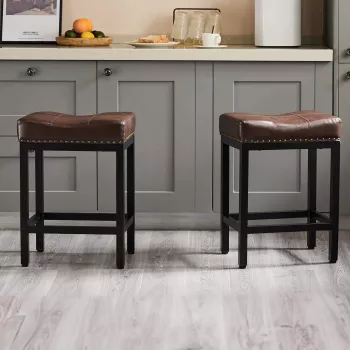
Saddle-Style PU Leather Adjustable Bar Stools with Metal Base
Saddle-style bar stools pair a gently contoured seat with height adjustability, making them a practical option for kitchen islands, counter-height workspaces, and home bars. The shape encourages a centered sitting position, while an adjustable base helps different users find a comfortable fit. Below is a straightforward guide to comfort, stability, materials, setup, and care so day-to-day use stays easy and reliable. For more guidance, see Pemberly Row Industrial Metal Stackable Bar Stools, 26-Inch Height ….
What Makes a Saddle-Style Stool Feel Different
A saddle-style seat is designed with a curved profile rather than a flat perch. That contour can encourage a more open hip angle, which many people find feels supportive during casual sitting. Because these stools are typically backless, they also work well for quick meals, coffee breaks, and light tasks where frequent up-and-down is common.
The backless silhouette has a practical upside in busy kitchens: it keeps sightlines open and makes it easy to slide the stool under the counter when not in use. Comfort, however, comes down to details—seat width, the softness of the front edge, and how much cushioning sits under the PU leather. If the edge feels too sharp or the seat is too narrow for the user, even a good contour can feel tiring over longer stretches.
Adjustable Height: Getting the Fit Right for Counters and Bars
The most important measurement is the clearance between the seat top and the underside of the counter or bar ledge. A simple rule of thumb is to aim for about 10–12 inches of space so legs can move naturally. If the stool will be shared, a smooth adjustment mechanism matters—especially in homes where adults and teens swap in and out of the same seating.
Before choosing a height setting, confirm whether the surface is standard counter height (around 36 inches) or bar height (around 42 inches). Also check the lowest adjustment point: if the seat drops low but the user’s feet still can’t rest comfortably (on the floor or a footrest), legs may dangle and fatigue can set in sooner. For a useful measuring walkthrough, see How to Measure for Counter Stools and Bar Stools.
Quick Fit Guide for Seat Height
| Surface type | Typical surface height | Common comfortable seat height | Notes |
|---|---|---|---|
| Counter | About 36 in | About 24–26 in | Good for kitchen islands and counters; keep knees slightly below hips |
| Bar | About 42 in | About 28–30 in | Best for taller bar ledges; confirm foot support so legs don’t tire |
| Custom/varied | Varies | Surface height minus 10–12 in | Measure underside clearance, not just tabletop height |
Materials and Build: PU Leather Seat and Metal Base
PU leather is popular in kitchens and entertaining spaces because it’s smooth and typically wipes clean without much effort. It also tends to keep a neat look when the upholstery is pulled evenly and stitched cleanly. When evaluating any PU leather seat, look for consistent tension (no loose pockets) and tidy seams, since uneven areas can wrinkle sooner with daily use.
A metal base adds rigidity and can improve the “planted” feel when shifting weight on a backless stool. A well-finished metal surface helps resist scuffs and makes routine cleaning easier. If the design includes a footrest, it should feel solid under pressure with no flex—this is one of the most-used contact points on an adjustable stool.
Stability, Floor Protection, and Everyday Safety
With adjustable stools, stability is closely tied to the base footprint. As the seat rises, wobble can become more noticeable if the base is narrow or if the floor is uneven. For best results, use the stool on flat, hard surfaces; thick rugs can make backless stools feel less steady, especially when turning or climbing on.
Where These Stools Work Best
Care and Maintenance for PU Leather and Metal
For PU leather, quick cleanup is the biggest win. Wipe spills promptly with a soft, slightly damp cloth, then dry to prevent water spots. For grease or residue, use mild soap and water; avoid harsh solvents or abrasive scrubbers that can dull the surface over time. A practical reference is Caring for Faux Leather (PU) Upholstery.
For metal components, a microfiber cloth works well for dust and fingerprints. If needed, use a gentle all-purpose cleaner and dry afterward. If the stool develops a squeak or feels loose, re-check connections and confirm it sits level. For general durability and performance expectations in seating, you can also review standards information such as BIFMA seating standards resources.
Simple Setup Checklist
Shop In-Stock Picks
- Saddle-Style PU Leather Adjustable Bar Stools with Metal Base
- Elegant Structured Crocodile Pattern Leather Shoulder Bag – Soft Texture
- New Balance 550 Sneakers
FAQ
Are saddle-style stools comfortable without a backrest?
They can be comfortable for casual sitting because the contoured seat helps support a centered posture. Comfort improves most when the height is set correctly, there’s enough cushioning, and feet have solid support on the floor or a footrest; for longer periods, plan on shorter sitting sessions and small posture breaks.
How do you choose the right height for an adjustable bar stool?
Aim for a seat height that sits about 10–12 inches below the underside of the counter or bar for easy legroom. Check both the lowest and highest settings to make sure everyone in the household can sit with stable foot support rather than dangling legs.
How do you clean PU leather bar stools?
Wipe routinely with a soft, slightly damp cloth, then dry the surface. For spots or kitchen residue, use mild soap and water, avoid solvents and abrasives, and clean spills promptly to keep the finish looking even.











Leave a comment