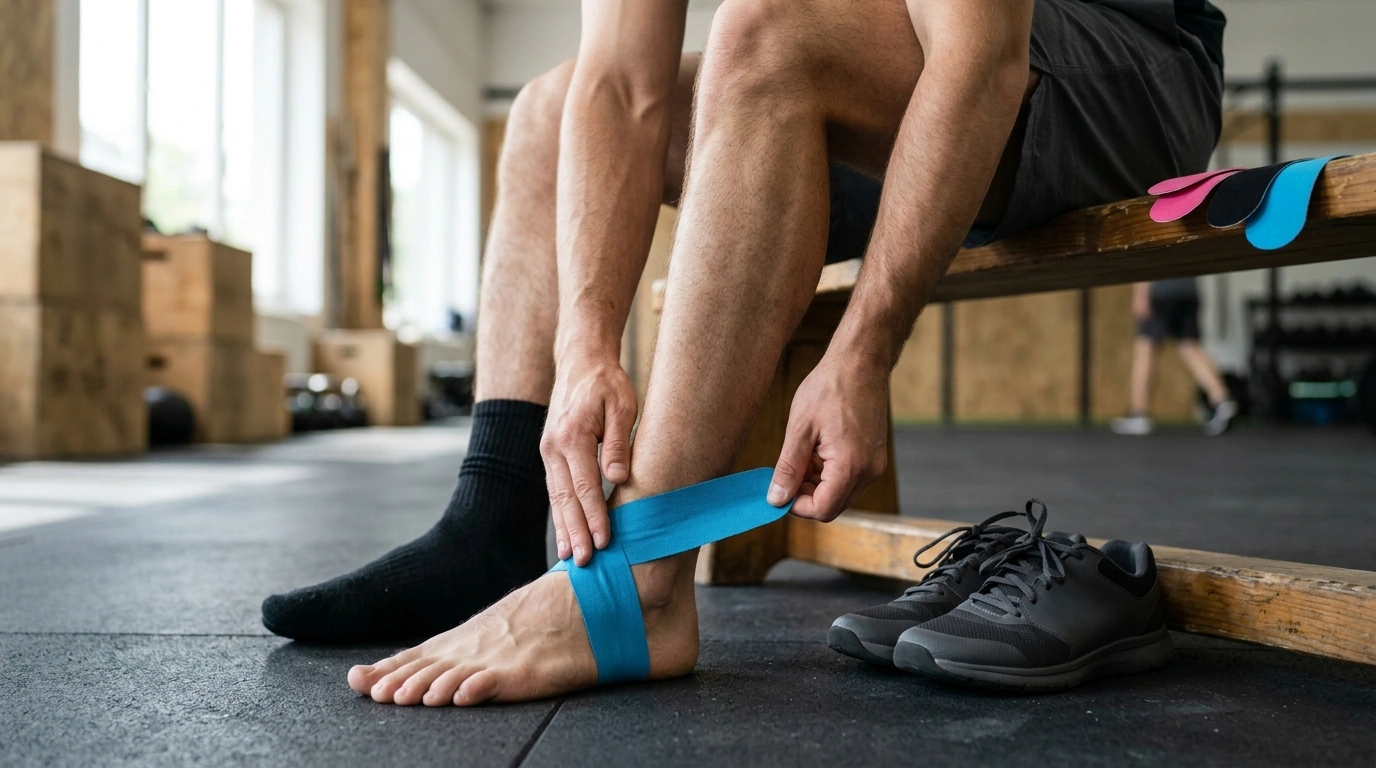
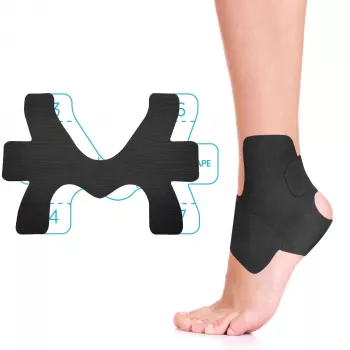
Ankles do a lot of quiet work—absorbing impact, keeping balance, and handling quick changes of direction. When they feel overworked, taping can add a layer of support without the bulk of a brace. Our precut kinesiology ankle tape set gives you a ready-to-apply format designed to move with you, making it easier to add consistent support for training days, long shifts, or recovery routines.
Elastic ankle taping is often less about “locking” the joint and more about giving you a supportive reminder—especially when fatigue starts to change how you move. With precut strips, you can set a repeatable routine and spend less time measuring and trimming.
If you want support that still allows natural motion, kinesiology tape is a common choice for active days. It can be especially useful when your ankle isn’t “injured enough” to justify a bulky brace, but you still want a steadier feel during movement.
If you’re dealing with a significant sprain or can’t bear weight, it’s smarter to pause and get medical guidance. Mayo Clinic outlines common sprain symptoms and red flags worth taking seriously: Sprained ankle — Symptoms and causes.
A clean, consistent application is what turns tape from “annoying sticker” into reliable support. Plan an extra minute the first few times so you can learn what placement feels best with your socks and shoes.
| Step | What to look for | Why it matters |
|---|---|---|
| Skin prep | Dry, clean, no lotion | Helps adhesion and reduces early peeling |
| Placement | Strips sit flat, no wrinkles | Wrinkles can irritate and lift faster |
| Tension | Supportive but comfortable | Too much tension can feel restrictive |
| Finish | Edges pressed down and warmed | Improves wear time during activity |
| Safety check | No tingling, numbness, or color change | Signals circulation/nerve irritation—remove if present |
Most “tape fails” happen at the edges. A couple of small habits can make your application last longer through warm-ups, sweat, and shoe friction.
If you want a quick explainer on how kinesiology tape is commonly used, Cleveland Clinic offers a practical overview here: Kinesiology Tape (KT Tape) — Uses and How It Works.
| Use case | Pack strategy | Result to aim for |
|---|---|---|
| Game/practice week | Reserve pieces for the highest-intensity days | Consistent feel on key sessions |
| Long walks/shifts | Use when ankle fatigue typically starts | Support during the most demanding hours |
| Recovery phase | Use sparingly while rebuilding strength | Comfort plus gradual return to activity |
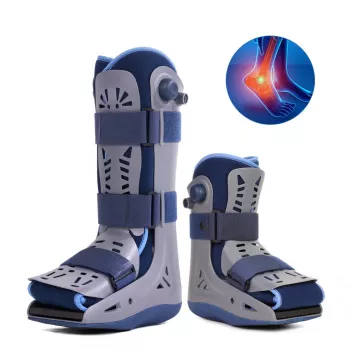
Kinesiology tape can offer flexible support and proprioceptive feedback while letting you move more naturally, but an ankle brace typically provides firmer stabilization. If your ankle feels truly unstable, you’re returning from a significant sprain, or your sport is high-impact, a brace or clinical guidance may be the better call.
It should feel supportive but comfortable—never restrictive. Use light-to-moderate tension through the middle of the strip and leave the ends with little to no stretch, and remove it right away if you notice numbness, tingling, or throbbing.
Yes—this type of tape is commonly worn under socks and shoes. Press the edges down firmly, round any corners that catch, and make sure your footwear isn’t rubbing hard on the tape edges during movement.





Leave a comment