Knee Support Brace Guide: Sports Pain Relief & Stability
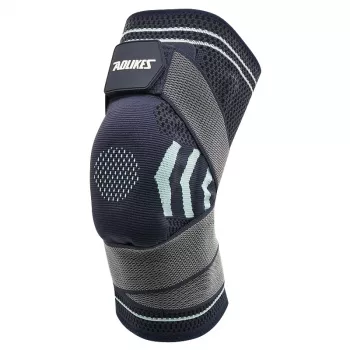
Knee Support Brace for Sports & Pain Relief: Stable, Comfortable Support for Training Days
Fast cuts, jumps, and long runs can leave the knee feeling unstable or sore. A well-fitted knee support brace can help add compression, improve confidence in movement, and reduce strain during sport and daily activity—without feeling bulky. This guide covers what to look for, how to wear it, and how to match support level to your routine.
When a knee support brace helps most
Knee support is often most useful when the joint feels “worked” rather than truly injured—especially when you’re dealing with repeat bending, impact, or long time-on-feet. Common situations where a brace or compression sleeve can be helpful include:
- Sports and workouts with repeated bending: basketball, volleyball, running, hiking, and gym training
- Post-activity soreness where light-to-moderate compression feels relieving
- Mild instability or a “wobbly” feeling during direction changes (when cleared for activity)
- Warm-up and cooldown periods to keep the joint feeling supported
- Everyday tasks that flare discomfort: stairs, long standing, and errands
If pain follows a twist, impact, or a sudden “pop,” or if the knee is locking or repeatedly giving way, consider medical guidance before relying on a brace. Helpful background resources include the American Academy of Orthopaedic Surgeons (AAOS) and Mayo Clinic.
Support levels: compression sleeve vs. brace-style support
Not all knee support is the same. A smart match between support level and activity usually feels better and stays in place longer.
- Compression-focused support: Helps with swelling control and comfort; often best for general sports soreness.
- Stability-focused support: May include structured elements to limit unwanted motion; often used for higher-demand cutting/pivot sports.
- Comfort and adherence matter: The “best” support is the one worn consistently without slipping or pinching.
- Get evaluated first when symptoms are significant: If you have locking, major swelling, or the knee giving way, medical evaluation should come before bracing.
Choosing the right support level for your activity
| Activity or situation | Suggested support level | Fit notes |
|---|---|---|
| Light gym sessions, walking, daily errands | Light compression | Prioritize breathable fabric and no bunching behind the knee |
| Running, cycling, hiking | Light to moderate compression | Look for a secure top band to prevent sliding during sweat |
| Basketball, tennis, soccer training | Moderate support with secure fit | Snug fit without restricting circulation; test lateral movement |
| Return to sport after minor strain (cleared to train) | Moderate support | Wear during practice first; reassess after swelling/pain changes |
| Long shifts on feet | Light to moderate compression | Comfort over hours matters more than maximum tightness |
Key features that make a brace comfortable during sports
Comfort is performance. When a brace feels irritating or slides down, it becomes a distraction—and many people stop wearing it altogether. These features tend to matter most during training days:
- Anti-slip fit: A brace that stays put reduces mid-game adjustments and skin irritation.
- Balanced compression: Firm enough to feel supportive, not so tight that it causes numbness, tingling, or discoloration.
- Breathability: Moisture-wicking materials help reduce sweat buildup and chafing.
- Low-profile design: Easier to wear under athletic leggings or shorts and less likely to interfere with form.
- Skin-friendly seams: Smoother stitching helps prevent rubbing during repetitive motion.
How to wear a knee brace for training and recovery
A good brace works best when it’s placed correctly and used at the right times—not necessarily worn nonstop.
- Put it on when the leg is dry and relaxed; align it so the knee can bend freely without folding at the back of the joint.
- Start with short sessions (about 20–40 minutes), then increase duration if comfort remains good.
- Use it for the highest-stress parts of training (warm-up drills, sprints, plyometrics), then remove it if prolonged wear causes pressure points.
- After exercise, check the skin for red marks that persist longer than a few minutes; persistent marks suggest it’s too tight or misaligned.
- Wash and air-dry as directed to maintain elasticity and reduce odor buildup.
Fit and sizing: quick checks before committing
Support that fits well should feel secure without changing how you move. Before calling it “the one,” use these quick checks:
Product spotlight: Knee Support Brace for Sports & Pain Relief
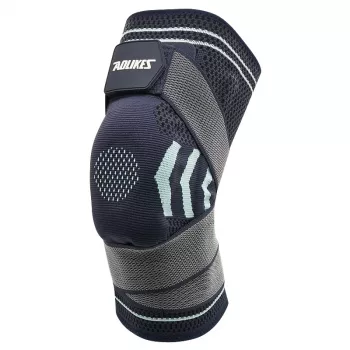
If the goal is sports-friendly support without bulky gear, a lightweight compression-style option is often a practical starting point. The Knee Support Brace for Sports & Pain Relief is designed to help reduce discomfort during movement and training while staying easy to wear for active routines. It’s also a budget-friendly way to try supportive compression for workouts, errands, or long days on your feet.
Quick product details
| Item | Details |
|---|---|
| Product | Knee Support Brace for Sports & Pain Relief |
| Price | 9.51 USD |
| Availability | In stock |
| Best for | Training support, activity-related knee discomfort, general compression needs |
Small add-ons that support recovery (optional)
- Great Meals, Small Budget for easy meal ideas that support steady energy and recovery-friendly routines.
- Cute Apple House Kitten Plush – Soft Detachable Cat Plush Toy for comfort during rest days, travel, or downtime when relaxing the nervous system matters.
Safety notes and when to get help
FAQ
Should a knee support brace be tight or just snug?
It should feel snug and supportive without numbness, tingling, cold toes, or persistent deep red marks. If symptoms change during a squat or short jog-in-place, loosen or resize.
Can a knee brace be worn all day?
Often it can be worn for limited periods if it stays comfortable, but many people do best wearing it during higher-demand activity and taking breaks to avoid pressure points and skin irritation.
Is it okay to run with a knee support brace?
Many runners use light-to-moderate compression for comfort, especially on longer runs. Make sure it doesn’t slip or alter your gait, and don’t use it to ignore sharp pain or worsening symptoms.












Leave a comment