How Long Do Cars Last? Mileage, Years, and What Matters
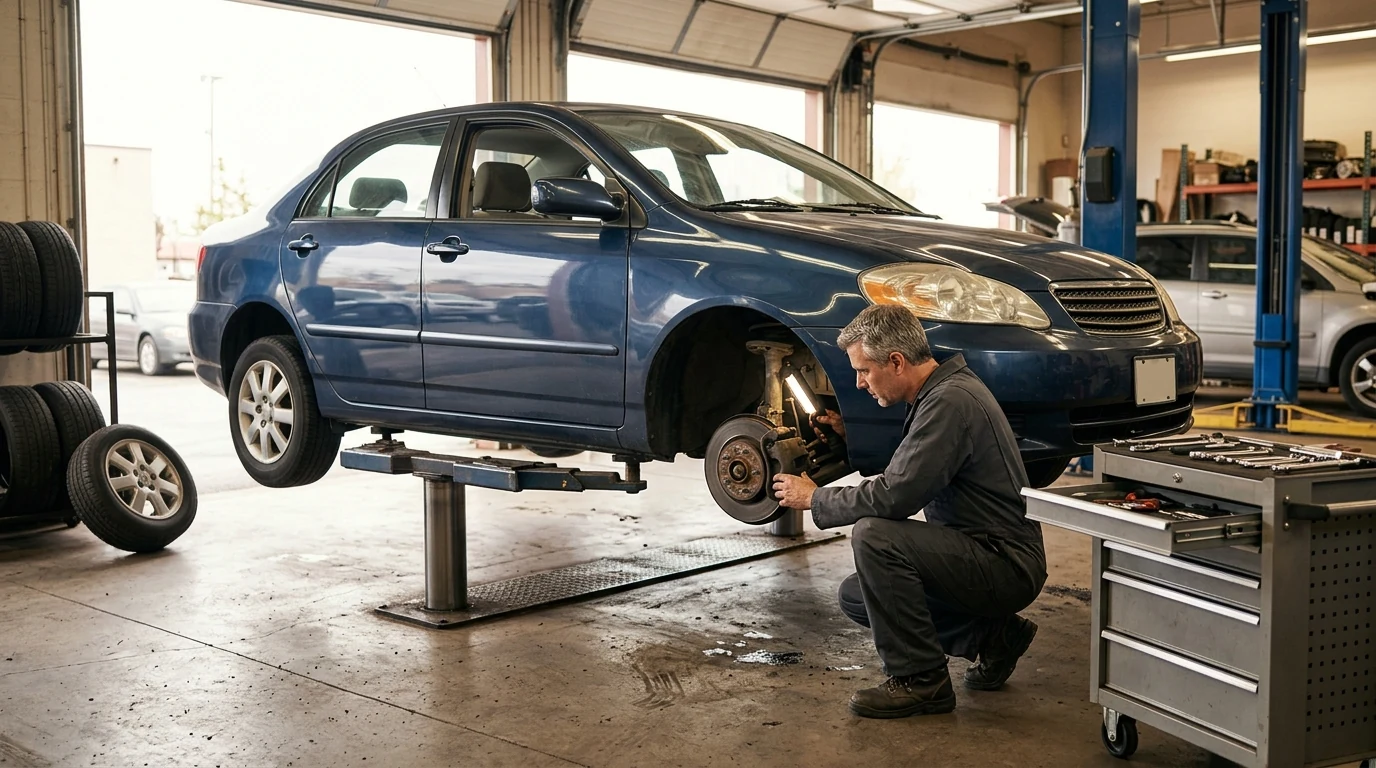
How Long Do Cars Really Last: A Smart Buyer’s Guide to Lifespan, Mileage, and Maintenance
Car lifespan is less about a single “magic number” and more about how a vehicle was built, driven, serviced, and stored. Our team put this guide together to help you use realistic mileage ranges, focus on the maintenance habits that extend useful life, and spot the warning signs that signal a vehicle is nearing the end of its cost-effective years—so you can buy based on total ownership value, not just the odometer.
What “car lifespan” actually means (and what it doesn’t)
A car’s “lifespan” can mean three different things: (1) years on the road, (2) total miles traveled, and (3) remaining cost-effective service life—how long it stays affordable to keep running safely and reliably. That third definition is the one that matters most when you’re buying used.
A vehicle can run past 200,000 miles and still be a bad value if it needs frequent high-dollar repairs, has serious corrosion, or has failing safety and drivability systems. Service history and driving environment (road salt, extreme heat, stop-and-go traffic, towing, and short trips) often outweigh brand reputation alone.
When you compare two cars, use a simple framework: current condition + maintenance records + known weak points for that model + your expected annual mileage. The same odometer reading can mean “plenty of runway left” on one car and “expensive countdown clock” on another.
How long does a car usually last? Realistic mileage and time ranges
Many modern vehicles can reach 150,000 miles with routine maintenance, and well-kept models commonly go 200,000+ miles. Low annual mileage helps, but consistent maintenance helps more—especially oil changes, cooling system care, and transmission service when the duty cycle calls for it.
Also keep age in mind. Rubber, plastics, electronics, and corrosion can end a car’s practical life even if the engine itself still feels strong. A “good deal” at high mileage is only a deal if major wear items have already been handled (tires, brakes, suspension, and battery/charging health) and the fluids aren’t neglected.
| Stage | Common Mileage Range | Common Age Range | What to Expect |
|---|---|---|---|
| Prime years | 0–100,000 | 0–7 years | Mostly routine service; occasional wear items |
| Value years | 100,000–150,000 | 7–12 years | Suspension, cooling, and electrical issues start to appear |
| High-mile years | 150,000–200,000 | 10–15 years | More frequent repairs; records matter a lot |
| Long-haul territory | 200,000+ | 12–20+ years | Great if maintained; costly if deferred maintenance piles up |
Mileage isn’t the full story: driving patterns that shorten or extend life
Your driving pattern can add or subtract years of usable life. Short-trip driving—where the engine rarely warms fully—tends to accelerate oil contamination and moisture buildup. Over time, that can increase wear and sludge risk even if the mileage stays low.
Highway miles are often easier on a vehicle than city miles: fewer heat cycles, fewer hard stops, and steadier engine load. On the other hand, heavy towing/hauling, steep grades, and hot climates raise thermal stress on engines and transmissions. In those conditions, fluid condition and cooling capacity stop being “nice to have” and become essential.
Maintenance that makes the biggest difference (the “keep it alive” list)
For a simple baseline on efficient driving and maintenance habits, you can also review the EPA guidance at fueleconomy.gov.
The smart-buyer checklist at 100k, 150k, and 200k miles
At around 100,000 miles
Confirm major scheduled services are done (not “due soon”), ensure there are no warning lights, and look at tire wear patterns and brake condition. This is also a good time to verify recall work has been completed using the NHTSA recall lookup.
At around 150,000 miles
At around 200,000 miles
When a car is “near the end” (cost-effective lifespan warning signs)
Use lifespan math to pick the right car for your budget
Start with your annual mileage and how long you want to keep the vehicle. The U.S. DOT’s National Household Travel Survey can help you sanity-check typical driving patterns (NHTS data). A higher-mile car can still be the smart choice if it has strong maintenance history and a clean structure.
Tools we keep on hand (and why you may want them)
- How Long Do Cars Really Last – A Smart Buyer’s Guide to Car Lifespan, Mileage, Maintenance & How Long Does a Car Usually Last: Our team’s practical walkthrough for interpreting mileage, maintenance records, and end-of-life warning signs so you can buy with a clear plan.
- Great Meals, Small Budget: If you’re stretching dollars to cover insurance, repairs, or a “catch-up maintenance” fund, tightening your monthly spending can make the car you already own (or the used car you’re buying) much easier to keep.
FAQ
How long does a car usually last in miles?
For many modern vehicles, 150,000 miles is a common, realistic target with routine maintenance, and 200,000+ miles is achievable when service has been consistent. The biggest factors that move that range are maintenance history, rust exposure, driving pattern (short trips vs. highway), and how quickly problems were fixed.
Is a 200,000-mile car worth buying?
It can be worth it if the car has strong records, clean structure (especially underneath), and evidence of recent major wear-item work, plus it passes an inspection. A simple rule is to compare the purchase price plus a repair reserve against how many dependable years you realistically expect to get.
What maintenance extends a car’s life the most?
Consistent oil service, cooling system care, and timely transmission/drivetrain fluid service make the biggest difference over the long run. Brake fluid, suspension/alignment, and staying ahead of small leaks also prevent expensive chain-reaction failures.















Leave a comment