Heat & Cold Back Brace: Air Compression Massage Relief
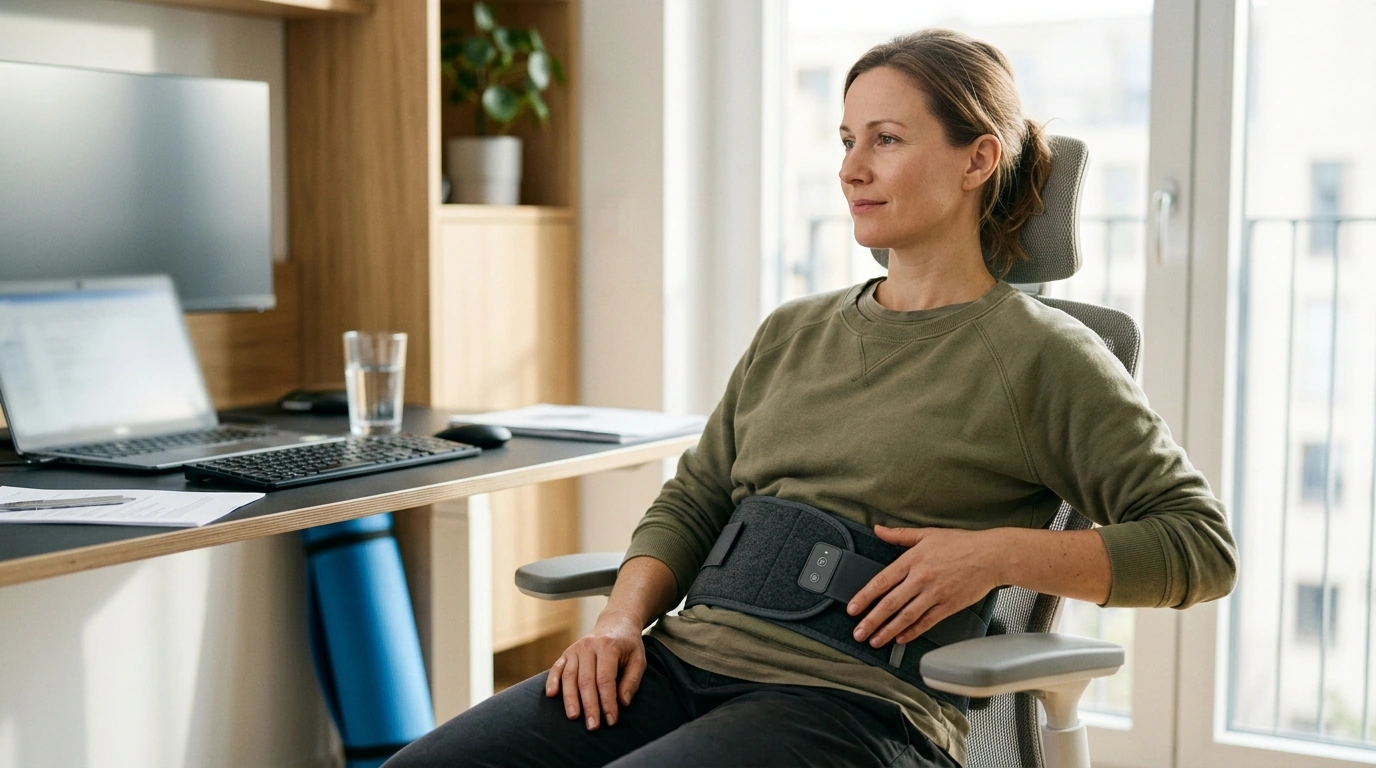
Heating & Cooling Back Brace with Air Compression Massage for Pain Relief
Back discomfort has a way of showing up at the worst times: after a long stretch at a desk, during repetitive lifting, or when post-workout stiffness settles into the lower back. A multi-therapy back brace—combining adjustable support, optional heat or cooling, and rhythmic air compression—offers a practical way to dial in comfort without needing multiple tools.
Below is a clear guide to what a heating/cooling air-compression massage belt can (and can’t) do, who it tends to work best for, and how to use it in a way that feels supportive rather than restrictive.
What this back brace does (and what it doesn’t)
This type of wearable belt combines three approaches that many people already use separately:
- Physical support: a brace-like wrap that stabilizes the lower back and can act as a posture “reminder.”
- Temperature therapy: heat for stiffness or cooling for flare-up comfort.
- Air compression: gentle, rhythmic pressure that can feel like a light massage.
The goal is usually to ease muscle soreness, reduce that “tight band” feeling across the lumbar area, and improve comfort during standing, light chores, or short breaks from sitting. It’s not a cure for underlying medical causes like fractures, infections, or significant disc problems. Pain that persists, worsens, or comes with neurological symptoms needs medical evaluation.
For many people, the best results come when brace sessions are paired with small habit upgrades: brief walking breaks, gentle stretching, and better lifting mechanics.
How heat, cooling, and air compression can help
Heat therapy is commonly used to relax tense muscles and increase local blood flow—often helpful when discomfort feels stiff or “locked up.” For general guidance on safe heat use, see Mayo Clinic’s overview of heat therapy.
Cold therapy is often used after activity or during a flare-up sensation to calm irritation and reduce the feeling of soreness. Mayo Clinic also summarizes safe basics for cold therapy.
Air compression adds rhythmic pressure that many users describe as relaxing—especially when the lower back feels tight from prolonged sitting. When these features live in one wearable brace, it can be easier to fit short recovery sessions into everyday routines (desk breaks, commuting, or post-walk resets).
When to use each mode
| Mode | Typical use case | Suggested session feel |
|---|---|---|
| Heat | Morning stiffness, tight muscles, before light stretching | Comfortably warm; never hot |
| Cooling | After activity, during a flare-up, “hot” feeling in the area | Cool and soothing; avoid numbness |
| Air compression | General tension, posture support breaks, relaxation | Gentle to moderate pressure without pain |
| Heat + compression | Stiffness plus tightness after prolonged sitting | Warmth with steady, non-pinching pressure |
Key features to look for in a multi-therapy back brace
- Adjustable fit: wide straps and secure fastening help distribute pressure evenly and reduce slipping when you move.
- Support structure: look for stabilizing support that doesn’t force an extreme posture; it should feel steady, not rigid.
- Simple controls and modes: quick switching between heat/cool and compression levels makes it more likely you’ll use it correctly (and briefly) during the day.
- Comfort materials: breathable lining and smooth edges help avoid rubbing over clothing or a thin base layer.
- Power and portability: a convenient charging/power setup matters if you’ll use it at the office, in the car (as a passenger), or while traveling.
- Safety features: auto shutoff and consistent temperature behavior reduce the chance of accidental overuse.
Who it’s for (and who should avoid it)
A heating/cooling compression back brace is often a good fit for people who get occasional lower-back strain or posture fatigue—especially desk workers, drivers, or anyone who feels tighter after long sitting. It can also be a comfortable addition to low-intensity recovery routines after walks, light lifting days, or routine chores.
Use caution or consult a clinician before using temperature therapy or compression if you have pregnancy, known circulation problems, neuropathy or reduced sensation, recent surgery, or skin conditions in the area.
Stop use and seek medical care if pain is severe, if there’s numbness or tingling down the leg, loss of bowel/bladder control, fever, or pain after a significant injury. For broader self-care context and warning signs, the NHS provides a helpful overview of back pain.
How to use it comfortably: a simple routine
1) Fit first
2) Start low and short
3) Time your sessions
4) Two easy use cases
Fit, sizing, and pressure tips for better results
Care, maintenance, and everyday safety
Product options available
Heating & Cooling Back Brace – Air Compression Massage Belt for Pain Relief
| Quick checklist before use | Why it matters |
|---|---|
| Snug but breathable fit | Helps support without restricting breathing or circulation |
| Low setting first | Reduces risk of irritation and helps find a comfortable baseline |
| Timed sessions | Prevents accidental overuse of heat/cooling or pressure |
| Skin comfort | Avoids irritation; adjust or layer clothing if needed |
Great Meals, Small Budget
Cute Apple House Kitten Plush – Soft Detachable Cat Plush Toy
FAQ
How long should a heating/cooling compression back brace be used per session?
Many people do best with 10–20 minutes per session, followed by a break. Start shorter on low settings and only increase time or intensity if it stays comfortable.
Can a back brace with air compression be worn while sitting at a desk?
Yes, as long as it remains comfortable and doesn’t dig into the ribs or hips. Re-center it slightly lower, reduce tightness, and use gentle compression for brief breaks rather than max pressure all day.
Is heat or cooling better for back pain flare-ups?
Cooling is often preferred right after activity or during a “hot” flare-up sensation, while heat is commonly used for stiffness and muscle tightness. If you’re unsure, use mild settings and stick with whichever improves comfort without numbness or irritation.












Leave a comment