Fruit Fly Trap Kit: Outdoor Placement & Upkeep Tips
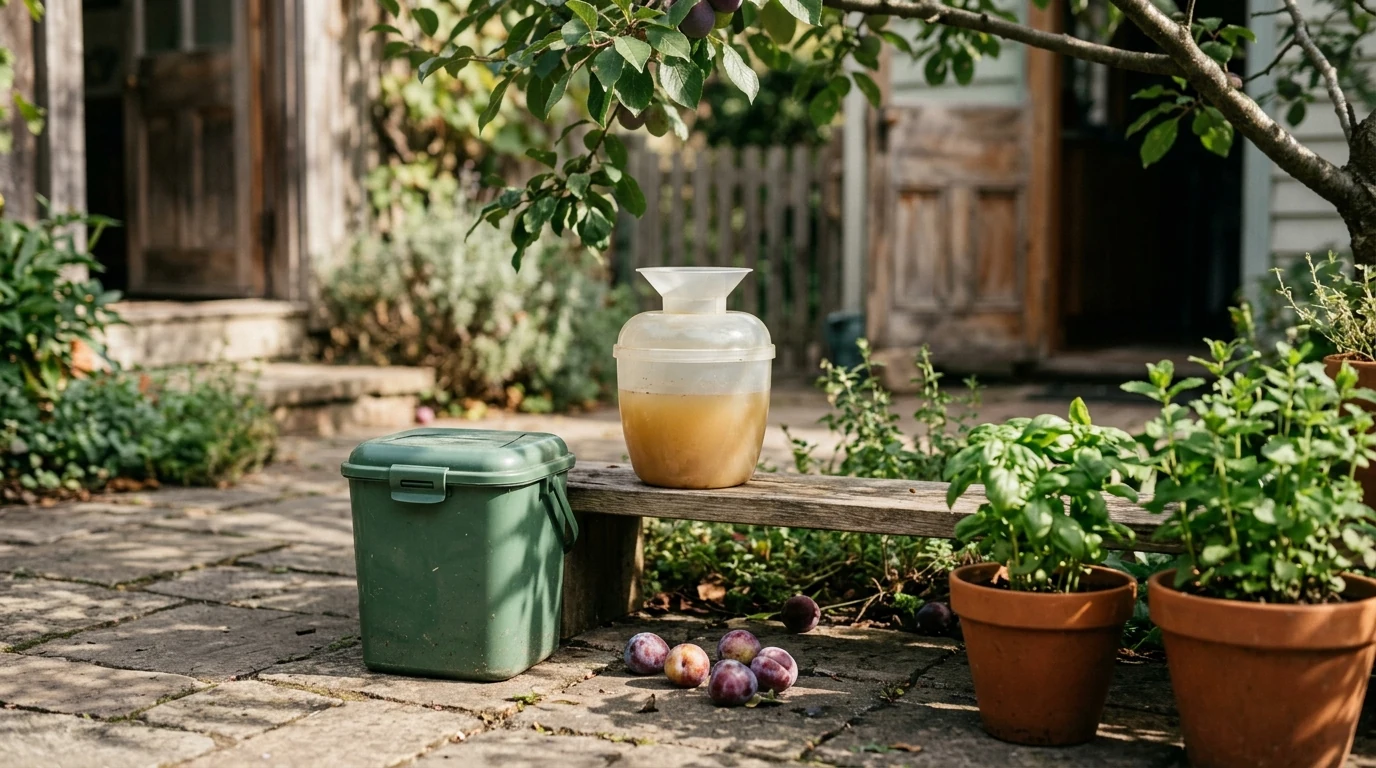
Fruit Fly Trap & Attractant Kit – Plastic Garden Pest Control Catcher
Fruit flies can multiply quickly around ripening produce, compost, and moist garden areas. This plastic trap and attractant kit is designed to lure flying pests into a contained catcher, helping reduce nuisance activity outdoors and around entry points with a low-effort setup. Used consistently—and paired with simple cleanup—it can help make patios, garden paths, and produce zones feel more comfortable during warm weather.
What the kit is designed to do
- Targets common small flying pests attracted to fermentation and sweet odors, especially fruit flies around gardens, patios, and produce areas.
- Uses an attractant to draw pests into the trap body, helping limit swarming near plants, bins, and doors.
- Provides a contained catch so disposal and refresh are straightforward.
- Plastic construction supports outdoor placement and easy rinsing between refills.
For best long-term control, it helps to think in terms of integrated pest management (IPM): reduce the food/source first, then use tools like traps to knock down the remaining adult population. For practical background, see UC IPM: Vinegar Flies (Fruit Flies) and the US EPA: Integrated Pest Management (IPM) Principles.
What’s included and how it works
- Trap body: a plastic catcher designed to hold liquid attractant and reduce escape once pests enter.
- Attractant component: formulated to entice pests that seek sugary/fermented sources.
- The attractant is placed inside the trap, then the trap is positioned near activity zones to intercept flyers.
- Best results come from pairing trapping with basic sanitation (removing overripe fruit and spilled juices).
Fruit flies are drawn to the odor plume created by fermenting/sweet liquids. Once they enter the trap, they’re contained in the catcher so you can empty it without chasing swarms around a bin, compost corner, or patio door.
Where to place traps for better results
- Near ripening fruit trees, berry bushes, grapevines, compost areas, and outdoor kitchens—without blocking walkways.
- Along the perimeter of patios and near doors/windows where flies gather before entering indoors.
- In shaded or semi-shaded spots to slow evaporation and keep attractant effective longer.
- Use multiple traps for larger gardens: distribute them across hotspots rather than clustering in one location.
Placement is often the difference between “it kind of helps” and “it noticeably works.” If you can stand in your garden for 30 seconds and spot where flies hover (around fallen fruit, the compost edge, sticky recycling, or a doorway), that’s the zone to intercept them—close enough to compete with the real source, but not so close that the trap gets bumped or splashed.
Setup and upkeep
- Fill the trap with the recommended amount of attractant (or prepared mixture, if applicable), then secure the lid.
- Place the trap at the height and location where flies are most active; avoid placing directly next to beneficial insect activity.
- Check the trap periodically and refresh attractant when captures slow or the liquid becomes diluted by rain/condensation.
- Empty, rinse, and refill as needed; keeping the trap clean helps maintain consistent attraction.
In hot, dry conditions, evaporation can shorten the effective life of the liquid. In rainy stretches, dilution can reduce attraction. A quick weekly check (more often during peak ripening) keeps performance steady: if the smell is faint, the liquid level is low, or the catch rate drops even though flies are visible, it’s time to refresh.
Quick placement guide
Use this chart to match placement to the most common outdoor sources of fruit-fly activity.
| Problem area | Why flies gather there | Suggested placement | Maintenance tip |
|---|---|---|---|
| Fruit trees / vines | Ripening and damaged fruit produces strong odors | 1–2 traps at the drip line, near the ripest clusters | Pick up fallen fruit and refresh attractant more often during peak ripening |
| Compost / green waste | Fermentation and moisture attract adult flies | Place 3–6 feet from the pile edge | Cover fresh scraps and keep the pile aerated to reduce odors |
| Patio / outdoor dining | Spilled drinks and fruit scraps create hotspots | Near trash/recycling and away from seating | Rinse bins and remove sticky residues regularly |
| Garden entry points | Flies hover near doors/windows before moving indoors | Place near exterior sides of entry points | Seal food sources indoors and replace attractant when activity increases |
Safety and garden-friendly use
- Place traps out of reach of small children and pets; avoid locations where the attractant could spill onto edible produce.
- Do not position where pollinators are actively foraging; place closer to known fruit-fly hotspots instead.
- If rain is frequent, consider protected placement (under eaves or a canopy) to prevent dilution.
- Combine trapping with cleanup: remove overripe fruit, rinse containers, and reduce standing moisture.
When to add more traps or adjust strategy
More in-stock picks to browse
- New Balance 550 Sneakers
- Elegant Structured Crocodile Pattern Leather Shoulder Bag – Soft Texture
- Cute Apple House Kitten Plush – Soft Detachable Cat Plush Toy
FAQ
How long does the attractant last once the trap is set?
It depends on heat, sun exposure, and rainfall. Check periodically and refresh when captures slow, the odor fades, the liquid level drops, or the attractant becomes diluted by rain or condensation.
Can the trap be used outdoors and near vegetable gardens?
Yes—plastic traps are commonly used outdoors. Place the trap near known hotspots but avoid direct contact with edible produce, and keep it away from areas where pollinators are actively foraging; also position it where pets and small children can’t access it.
What should be done if fruit flies keep coming back?
Combine trapping with source reduction: remove fallen/overripe fruit, manage compost properly, clean sticky bins, and reduce standing moisture. If flies are active across multiple areas, add more traps and reposition them closer to the strongest activity zones.














Leave a comment