Bright Rechargeable Waterproof Bike Headlight Guide
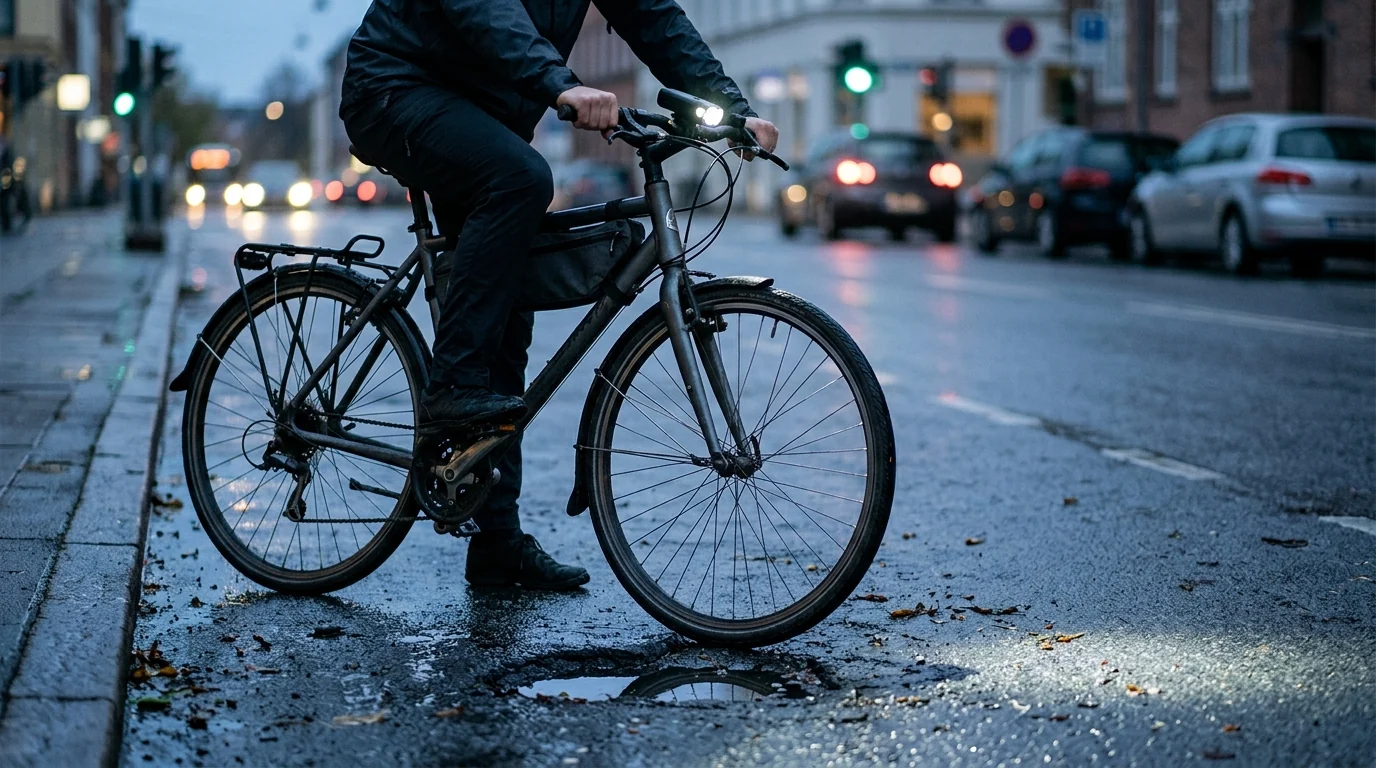
High-Brightness Rechargeable Waterproof Bike Headlight: What Matters for Safer Riding
Reliable visibility is a safety essential for commuting, road riding, and trails—especially when weather turns or daylight fades. A high-output headlight that recharges easily and resists rain helps riders stay seen by drivers, spot hazards sooner, and ride with more confidence. This guide breaks down what matters most in a bright, rechargeable, waterproof bike headlight: light performance, battery behavior, mounting stability, weather protection, and day-to-night usability.
What a dependable bike headlight needs to do
A good headlight isn’t just “bright.” It should behave predictably in real riding conditions—bumps, spray, stoplights, and dark stretches where you need time to react.
- Project light far enough ahead to identify potholes, debris, and turns at riding speed.
- Offer a beam pattern that balances distance with side visibility to reduce surprise obstacles.
- Provide multiple modes for different conditions (steady for roads, lower modes for group rides, attention-grabbing flash for daytime visibility).
- Stay securely mounted over bumps, braking, and rough surfaces without drifting downward.
- Handle wet rides and splashes without flicker, corrosion, or port damage.
Safety agencies consistently emphasize visibility as a key part of reducing crash risk. For general riding safety guidance, see NHTSA Bicycle Safety.
Brightness and beam pattern: seeing vs. being seen
Brightness is only useful when the beam is shaped well. A focused hotspot helps you see farther down the road, while spill light improves peripheral awareness—useful for scanning the edge of pavement, driveways, and trail entrances.
- For road riding, a controlled beam reduces glare toward oncoming traffic; aim the beam slightly downward so the brightest area hits the road ahead—not drivers’ eyes.
- Daytime flash can improve conspicuity in traffic; night riding typically benefits from a steady mode to better read the road surface.
- Practical aiming check: at a short distance from a wall, the brightest part of the beam should sit below handlebar height when the bike is level.
Quick beam & mode match-ups
| Ride situation | Recommended mode | Why it helps |
|---|---|---|
| Urban commuting at night | Steady medium/high | Clear road reading and consistent visibility to others |
| Dawn/dusk traffic | Daytime flash or pulse | Draws attention among visual clutter |
| Unlit paths or trails | Steady high + wider beam if available | More reach and peripheral coverage for obstacles |
| Group rides | Lower steady mode | Reduces glare for riders ahead |
Rechargeable battery basics and real-world runtime
Rechargeable lights are convenient for daily riding, but runtime depends heavily on how you use them. Maximum output can be great for fast, unlit sections—yet it’s often the first setting to drain a battery quickly.
If you’re comparing “waterproof” claims, it helps to understand ingress protection basics. The IP Code is defined by the IEC standard: IEC 60529: IP Code (Ingress Protection).
Waterproofing and durability for wet-weather riding
Simple wet-ride checklist
| Step | What to do | Benefit |
|---|---|---|
| Before the ride | Confirm port cover is closed and mount is tight | Prevents water entry and aim drift |
| During the ride | Use a mode that keeps consistent visibility | Reduces surprise dark spots on unlit sections |
| After the ride | Dry the housing and port area; store at room temp | Reduces corrosion risk and preserves battery health |
Mounting, fit, and aiming in under five minutes
For broader bicycle equipment and safety information, the U.S. Consumer Product Safety Commission (CPSC) bicycle guidance is a helpful reference point.
Product spotlight: High-Brightness Rechargeable Waterproof Bike Headlight
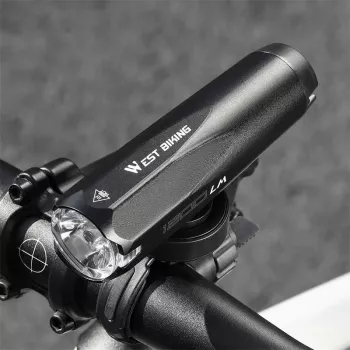
The High-Brightness Rechargeable Waterproof Bike Headlight is built for riders who want a strong front light with the everyday convenience of recharging and the confidence of weather-ready protection. It’s a practical option for commuting, errands, and evening rides where consistent output and straightforward operation matter most. Listed price: $40.97 (subject to change).
At-a-glance overview (verify details on the product page)
| Item | What to check | Why it matters |
|---|---|---|
| Recharge method | Charging port and cable type | Faster, easier top-ups between rides |
| Water protection | Seals/closures and rating notes | Confidence in rain and road spray |
| Modes | Steady and flash options | Adaptability for day, dusk, and night |
| Mount | Clamp style and stability | Keeps beam aimed correctly over bumps |
Useful add-ons for commuting days
- New Balance 550 Sneakers for comfortable walking once you’re off the bike.
- Elegant Structured Crocodile Pattern Leather Shoulder Bag – Soft Texture for carrying essentials on errands or post-ride stops.
Care and safe use on the road
Comparison table
| Feature | Why it matters | What to look for |
|---|---|---|
| High brightness | Improves hazard detection and visibility | Multiple output levels; usable beam shape |
| Rechargeable power | Lower ongoing cost and easy daily use | Clear battery indicator; convenient charging |
| Waterproof design | Reliable operation in rain and spray | Sealed buttons/ports; robust housing |
| Secure mount | Maintains aim over bumps | Stable clamp; minimal vibration drift |
FAQ
How bright should a bike headlight be for night riding?
It depends on your speed and how much ambient light you have. Unlit roads and trails usually call for higher output and a well-shaped beam, while lit streets often work well with a moderate steady setting that preserves runtime.
Can a waterproof bike light be charged after riding in the rain?
Dry the exterior and the charging-port area first, and keep the port cover closed while the light is wet. If you see any moisture near the port, wait until it’s fully dry to reduce corrosion and electrical issues.
How should a bike headlight be aimed to avoid glare?
Mount it firmly, then tilt it slightly downward so the brightest hotspot lands on the road ahead rather than at eye level for oncoming traffic. Re-check the angle after rough sections or a few early rides, and use lower modes in traffic or on shared paths.














Leave a comment