AI-Powered Safari Flight Planning: Routes, Fares & Bags
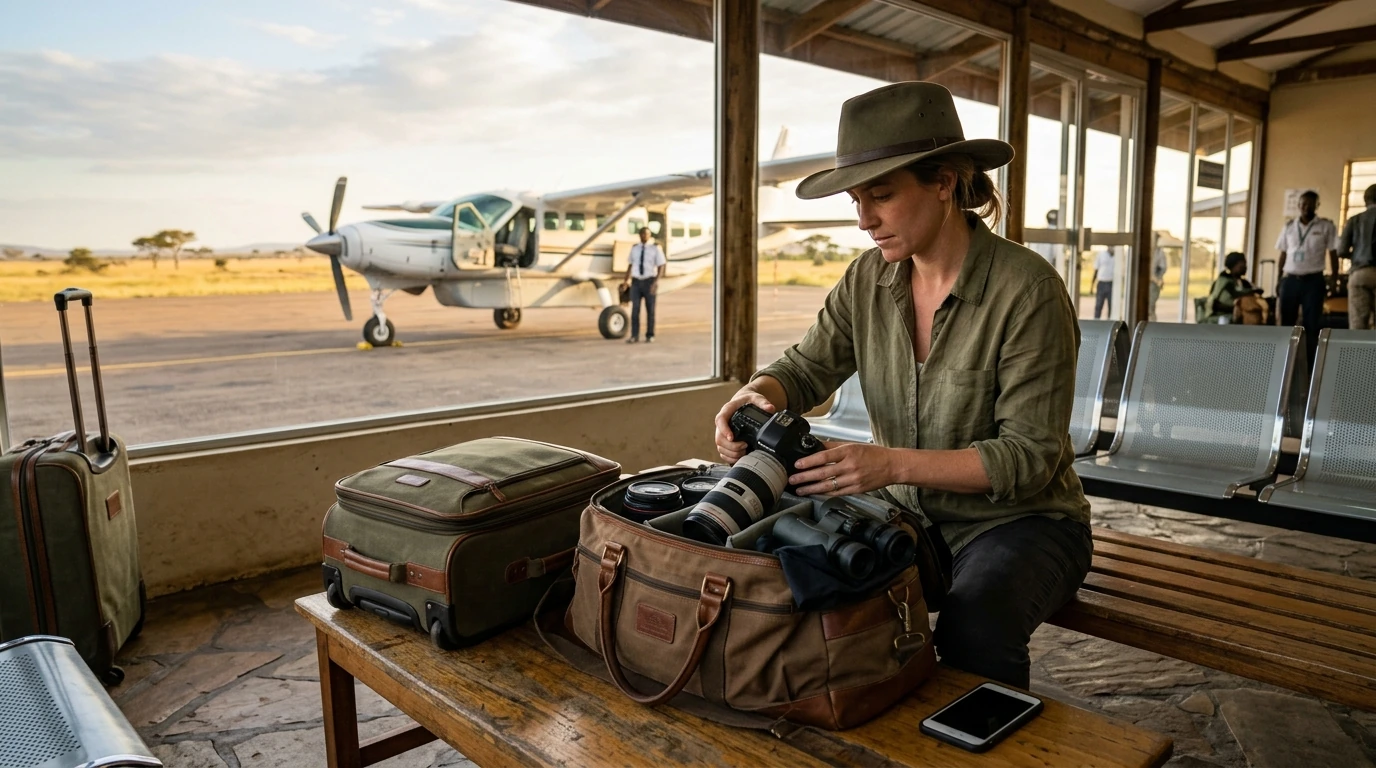
Book Smarter Flights for Safari Adventures: An AI-Enhanced Guide to Finding the Right Routes, Fares, and Connections
Safari planning often starts with lodges and parks, but flight choices can quietly make or break the experience—missed connections, baggage limits for bush flights, and multi-airline itineraries add complexity. A better approach is to plan flights the same way you’d plan game drives: start with the constraints, identify the high-risk pinch points, and only then compare prices. Below is a practical, AI-assisted method for evaluating routes, spotting better-value fare patterns, and building a flight plan that fits safari logistics from your arrival city to a light-aircraft transfer.
What Makes Safari Flight Planning Different
Safari itineraries often involve a chain of flights where each link follows different rules. That’s why “cheapest and fastest” searches can produce options that look good on paper but fail in real airports.
- Multiple legs are common: international arrival, a regional hop to a safari gateway, then a small-plane transfer to camp—each leg can have different baggage rules and reliability risks.
- Schedule variability: some regional routes run only a few days per week, and seasonal changes can shrink backup options.
- Higher cost of mistakes: a missed connection can mean losing a full day on the ground or paying last-minute rebooking fees far from major hubs.
- Gear considerations: camera equipment, binoculars, and soft-sided duffels often work better than hard-shell luggage on light aircraft.
Define the Trip Framework Before Comparing Flights
Before you open a flight search tool, lock in the parts that should not change. This prevents endless re-searching that mixes different routings and makes prices impossible to compare.
- Lock the safari “anchor dates”: the first camp check-in and final camp check-out drive the most expensive constraints.
- Choose the international arrival city: base it on your on-the-ground plan (proximity to your first region and availability of onward connections).
- Decide your comfort threshold: maximum total travel time, maximum connections, and minimum layover times for international-to-domestic transfers.
- Set a baggage strategy early: plan around small-plane limits and choose luggage that can be repacked quickly.
- List must-have protections: changeable fares, insurance requirements, and whether an overnight near the gateway is acceptable.
If you want a structured way to capture these decisions quickly, Book Smarter Flights for Safari Adventures — AI-Enhanced Travel Guide (Digital Download) is designed to turn your constraints into a clean shortlist you can actually book with confidence.
An AI-Assisted Workflow for Smarter Flight Shortlists
AI is most useful when it’s asked to optimize around your constraints rather than “find the cheapest ticket.” Start by giving it fixed inputs, then use it to produce options you can verify with airlines and booking platforms.
- Start with constraints, not price: feed the fixed items (dates, arrival window, max connections, preferred arrival city, baggage needs) and ask for realistic route candidates.
- Ask for routing logic: request 3–5 itineraries with reasoning—connection risk, backup flight availability, and airport-transfer complexity.
- Use AI to create comparison criteria: total travel time, overnights, single-ticket protection vs. separate tickets, and baggage policies by carrier and aircraft type.
- Turn results into a shortlist: keep only options that meet connection and baggage rules; then set price alerts for those exact routings.
Shortlist criteria for safari-bound itineraries
| Criteria | Target | Why it matters |
|---|---|---|
| Connection buffer | International-to-regional: longer than typical minimums | Passport control and re-check lines can be unpredictable |
| Ticketing | Single-ticket when possible | Better protection if a delay causes missed onward flights |
| Arrival timing | Arrive with daylight and recovery time | Reduces stress before early bush flights and long drives |
| Baggage plan | Compatible with the smallest aircraft segment | Prevents last-minute repacking fees and offloading bags |
| Backup options | More than one same-day alternative | Limits risk of losing paid safari nights |
Step-by-Step: Building the Best Route (International → Gateway → Camp)
Once you’re thinking in segments, it becomes easier to build an itinerary that’s resilient instead of merely fast.
Fare Strategy: Timing, Flexibility, and Price Tracking Without Guesswork
For official guidance that can affect timing and entry planning, verify travel requirements through the IATA Travel Centre and review destination health recommendations via CDC Travelers’ Health.
Baggage and Gear: Designing a Pack Plan That Matches the Flights
Connection Risk Management: Avoiding Lost Safari Days
For passenger rights and consumer protections that may affect rebooking or refunds, consult the U.S. Department of Transportation — Air Travel Consumer Information.
Using the eBook: Templates, Prompts, and Checklists for Faster Decisions
Get the digital guide here: Book Smarter Flights for Safari Adventures — AI-Enhanced Travel Guide (Digital Download). For travelers who like to plan trip-day budgeting and simple meal strategies alongside logistics, Great Meals, Small Budget is a handy add-on for prep and downtime days.
Quick Booking Checklist (Print-Friendly)
FAQ
How far in advance should flights be booked for a safari trip?
Many travelers book international flights several months ahead, especially for peak safari seasons, because limited seats and fixed camp dates reduce flexibility. Once your route structure is decided, set alerts for that exact itinerary so you can buy when a good fare appears without restarting your search.
What layover time is safest when connecting from an international flight to a regional safari flight?
Build a generous buffer beyond the minimum connection time, since immigration lines, baggage delays, and terminal changes can vary widely. If the flights are on separate tickets, add even more time because you may need to collect and re-check bags and you won’t have protected-connection support if the first flight is late.
Do safari light-aircraft flights have different baggage rules than major airlines?
Yes—light-aircraft segments commonly have stricter weight limits and may require soft-sided bags that can fit into small cargo holds. Packing to the strictest segment from the beginning helps avoid last-minute repacking, fees, or bags being left behind.
















Leave a comment