Adjustable Elevated Slow Feeder Bowl for Dogs & Cats
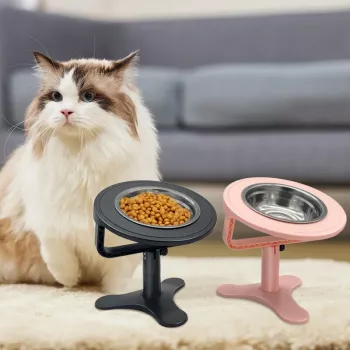
Adjustable Elevated Slow Feeder Dog & Cat Bowl – Raised Food & Water Dish
Mealtime is easier to manage when the bowl height fits the pet and the feeding surface helps slow fast eaters. An adjustable elevated slow feeder bowl supports a more comfortable posture, reduces mess, and encourages steadier eating for both dogs and cats. With a stand that grows with your pet and a slow-feeding surface that guides each bite, this setup can turn rushed meals into calmer routines.
What an Adjustable Elevated Slow Feeder Does
This style of bowl combines two practical upgrades: elevation and a slow-feeding surface. The stand raises the dish to a more natural feeding position for many pets, while the ridges or channels inside the bowl discourage gulping by making food harder to inhale in a few seconds.
- Raises the bowl to support a more comfortable feeding angle for many dogs and cats
- Adjusts height as needs change (growing puppies/kittens, seniors, or multi-pet homes)
- Slow-feeder design guides kibble or wet food through grooves to reduce fast eating
- Works for food, water, or split routines depending on your household habits
If hygiene is a priority (especially in multi-pet homes), handling and washing bowls correctly matters as much as the design. The AVMA’s guidance on safe pet food handling is a helpful baseline for daily routines: AVMA: Pet food safety (handling and hygiene).
Comfort and Posture Benefits
A low bowl can force some pets to hunch their neck and shoulders, especially taller dogs or pets with stiffness. Elevation can reduce that bend, encouraging a steadier stance and a more relaxed swallow.
- Helps reduce the need to crouch over a low bowl, which can be useful for taller dogs and some seniors
- Encourages stability during meals, especially on slick floors (pairing with a mat can help)
- May help pets that hesitate at mealtime due to stiffness; persistent issues should be discussed with a veterinarian
- Keeps food and water a bit farther from floor dust and debris
For cats, a modest lift is often enough. Many cats also prefer a wider, more open eating area to avoid whisker stress, and a raised dish can help them settle into a comfortable posture. Cornell’s feeding guidance provides helpful context for building consistent cat routines: Cornell Feline Health Center: Feeding cats.
Slow Feeding and Digestive Pace
Fast eating doesn’t just look intense—it can come with extra air swallowing and an “I’m still starving” attitude right after the bowl is empty. A slow feeder helps extend mealtime, giving the stomach more time to register fullness and encouraging smaller mouthfuls.
- Slowing down can reduce gulping and the amount of air swallowed during meals
- Makes portions last longer, supporting better portion-control habits
- Helpful for pets that regurgitate after rushing or beg immediately after finishing
- For determined chewers, choose a sturdy design and supervise early sessions
Slow-feeder styles and what they suit
| Design feature | Best for | Things to watch |
|---|---|---|
| Gentle ridges | Cats and small dogs; pets new to slow feeding | May not slow down extreme gulpers |
| Deeper channels/maze | Fast eaters needing more challenge | Can frustrate timid eaters at first |
| Wide bowl surface | Flat-faced breeds and whisker-sensitive cats | Ensure food doesn’t scatter outside the bowl |
| Non-slip base/stand | Pets that push bowls around | Check stability at the chosen height |
If you’re working on a specific “eats too fast” problem, the AKC’s tips can pair well with a slow-feeder routine: AKC: How to stop a dog from eating too fast.
Setting the Right Height (Quick Fit Guide)
The goal is a neutral neck and a steady stance—without the pet needing to crouch or stretch. A good starting point is positioning the bowl so the pet can eat with minimal neck bend and relaxed shoulders.
- Start with the bowl near chest level so the neck stays neutral
- Adjust gradually over a few meals to find the most comfortable posture
- For cats, a modest lift is often enough; many prefer a slightly raised dish to reduce whisker contact
- If coughing, gagging, or discomfort appears, lower the height and consult a veterinarian if symptoms persist
Cleaning, Materials, and Everyday Use
Who This Bowl Setup Works Best For
Recommended Picks Available Now
- Adjustable Elevated Slow Feeder Dog & Cat Bowl – Raised Food & Water Dish (adjustable height, slow-feeder surface for steadier eating, suitable for food or water routines)
- Cute Apple House Kitten Plush – Soft Detachable Cat Plush Toy (a cozy play option that can help keep cats occupied between meals)
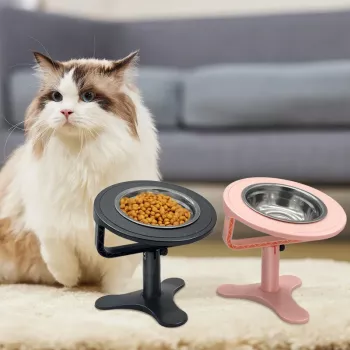
Adjustable Elevated Slow Feeder Dog & Cat Bowl – Raised Food & Water Dish
Find it here: Adjustable Elevated Slow Feeder Dog & Cat Bowl – Raised Food & Water Dish.
FAQ
Is an elevated slow feeder okay for both cats and dogs?
Yes, it can work well for both as long as the height and bowl shape fit the pet. Cats often do best with a modest lift and a wider eating area that doesn’t crowd their whiskers, while dogs may benefit from more height adjustment. Watch comfort and eating behavior for the first few meals and adjust as needed.
How do you introduce a slow feeder without frustrating a pet?
Start with an easier experience by spreading smaller portions across the grooves and keeping the challenge low at first. You can place a little food in more open areas so the pet gets quick success, then gradually increase the “maze” difficulty over several meals. Calm praise and a consistent feeding spot help many pets adapt faster.
How often should a slow feeder bowl be cleaned?
Wash food-contact parts daily, especially if you use wet food, and scrub the grooves where residue can build up. Sanitize regularly based on your routine and replace the bowl if it becomes scratched, cracked, or starts retaining odors. A clean surface helps keep meals fresh and reduces buildup in hard-to-reach channels.











Leave a comment