52-Cup 5-Stage Water Dispenser: TDS Meter + Lead Cut
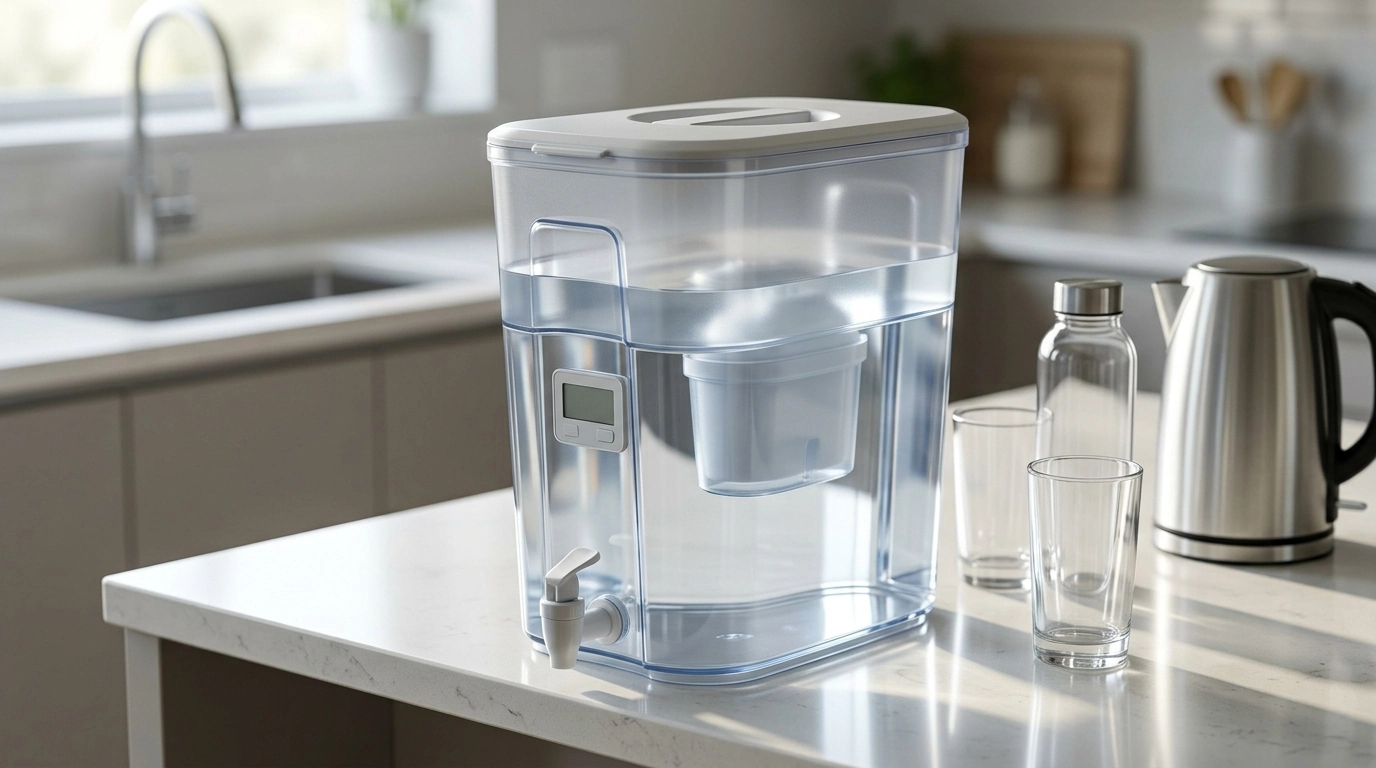
52-Cup 5-Stage Water Filter Dispenser with Real-Time TDS Meter & Lead Reduction
A large-capacity countertop dispenser can make daily hydration (and everyday kitchen routines) feel easier—especially when it combines multi-stage filtration, a real-time TDS display for quick checks, and filtration designed to reduce lead for added peace of mind at the tap. The 52-Cup 5-Stage Water Filter Dispenser with Real-Time TDS Meter & Lead Reduction is built for households, offices, and shared spaces that want a ready-to-pour supply without plumbing changes.
What This Dispenser Is Designed to Do
- Provide a high-volume, ready-to-pour supply of filtered water for families, offices, or shared spaces
- Improve taste and odor while targeting common tap-water concerns such as lead
- Offer a quick visual readout of total dissolved solids (TDS) to help monitor changes in source water and filter performance
- Work as a countertop solution without plumbing modifications
Key Features at a Glance
- 52-cup capacity for fewer refills compared with smaller pitchers
- 5-stage filtration approach aimed at broader contaminant reduction
- Real-time TDS meter for on-demand water reading
- Lead reduction focus for households in older buildings or areas with legacy plumbing
Specifications and What They Mean for Daily Use
Specs matter most when they translate into fewer interruptions and more consistent results. A large reservoir is the difference between “always refilling” and “always available,” while a real-time TDS display is best treated like a dashboard light—useful for spotting changes over time rather than chasing a single perfect number.
Quick Specs
| Detail | What to Expect |
|---|---|
| Total capacity | 52 cups (large dispenser format for shared use) |
| Filtration stages | 5-stage multi-step filtration design |
| Meter | Real-time TDS display for instant readings |
| Primary reduction focus | Lead reduction plus general taste/odor improvement |
| Placement | Countertop (no plumbing installation required) |
- Capacity matters most for busy kitchens: Larger reservoirs help keep filtered water available throughout the day for water bottles, cooking, and coffee or tea.
- A TDS display works best as a trend indicator: Watch for noticeable changes over days or weeks. A stable pattern is often more meaningful than an isolated reading.
- Filtration performance depends on fit and schedule: Correct seating of the cartridge and on-time replacement help keep flow rate and filtration performance consistent.
How 5-Stage Filtration Typically Works
“5-stage” usually means the filter cartridge or flow path uses multiple layers or steps, with each stage doing a different job. While exact performance depends on the specific cartridge design and how it’s tested, multi-stage filtration commonly follows a practical pattern:
- Early stages: Often focus on sediment and larger particles that can cloud water or clog finer media.
- Middle stages: Commonly use adsorptive media (like activated carbon) to improve taste and odor and reduce certain contaminants.
- Later stages: Typically “polish” the water—supporting clarity, improving taste, and helping maintain a more consistent output over the filter’s service life.
- Claims vary by testing standard: For any contaminant-specific reductions, look for clear product claims and references to recognized testing and certification where available. NSF provides helpful context on treatment-unit standards and certification at NSF’s drinking water treatment resource.
To help protect filtration media and preserve taste, keep the lid closed, store the dispenser away from heat or direct sunlight, and follow the recommended replacement interval.
Real-Time TDS Meter: How to Use It Correctly
A built-in TDS display is a convenient “at-a-glance” tool, but it’s important to understand what it can and can’t tell you.
- TDS is not a direct measure of safety: TDS measures dissolved ions (like minerals and salts). It does not directly identify lead, PFAS, pesticides, or pathogens.
- Use it for comparisons: Compare tap vs. filtered, or track filtered water over time. The most useful insight is the trend.
- Watch for sudden shifts: If the filtered TDS reading jumps noticeably, it can be a sign to replace the filter or double-check that the cartridge is seated correctly.
- Keep the display reliable: If the meter uses batteries, having spares on hand helps avoid gaps in monitoring.
Lead Reduction: When It Matters Most
Lead concerns tend to rise in older housing stock and areas with legacy plumbing. Even when a municipality meets compliance targets, lead can enter water after it leaves the main through service lines, solder, or older fixtures. For background on how lead can affect drinking water and practical steps to reduce exposure, see the U.S. EPA’s basic information about lead in drinking water and the CDC’s guidance on lead in water.
Setup, Filling, and Pouring Tips
Maintenance and Filter Replacement Routine
Who This Dispenser Fits Best
When a Different Solution May Be Better
Featured Products
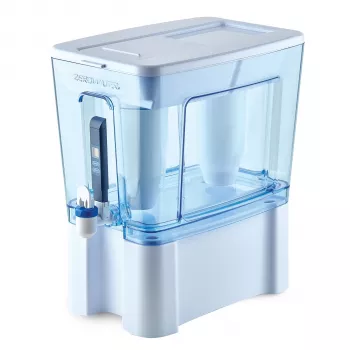
- 52-Cup 5-Stage Water Filter Dispenser with Real-Time TDS Meter & Lead Reduction — large, countertop-ready capacity with a built-in TDS display for quick trend checks.
- Great Meals, Small Budget — a helpful kitchen companion when you’re stocking up on filtered water for everyday cooking and drinks.
FAQ
Does a TDS meter tell if water is safe to drink?
No. TDS reflects the amount of dissolved solids (like minerals and salts), not specific contaminants or germs. It’s best used to compare trends (tap vs. filtered, or changes over time) and to spot shifts that may suggest checking the filter.
How often should the filter be replaced?
Follow the manufacturer’s recommended replacement interval, since lifespan depends on usage and local water quality. Common signs it’s time include a rising filtered TDS trend, slower flow, and changes in taste or odor.
Will it remove all lead from tap water?
Filters can reduce lead, but results depend on the product’s testing/certification conditions, your water chemistry, and whether the filter is within its service life. If lead is suspected or confirmed, consider water testing and rely on products with clear lead-reduction claims under recognized standards.













Leave a comment