160 PSI Mini Bike Pump with Gauge for Road & MTB
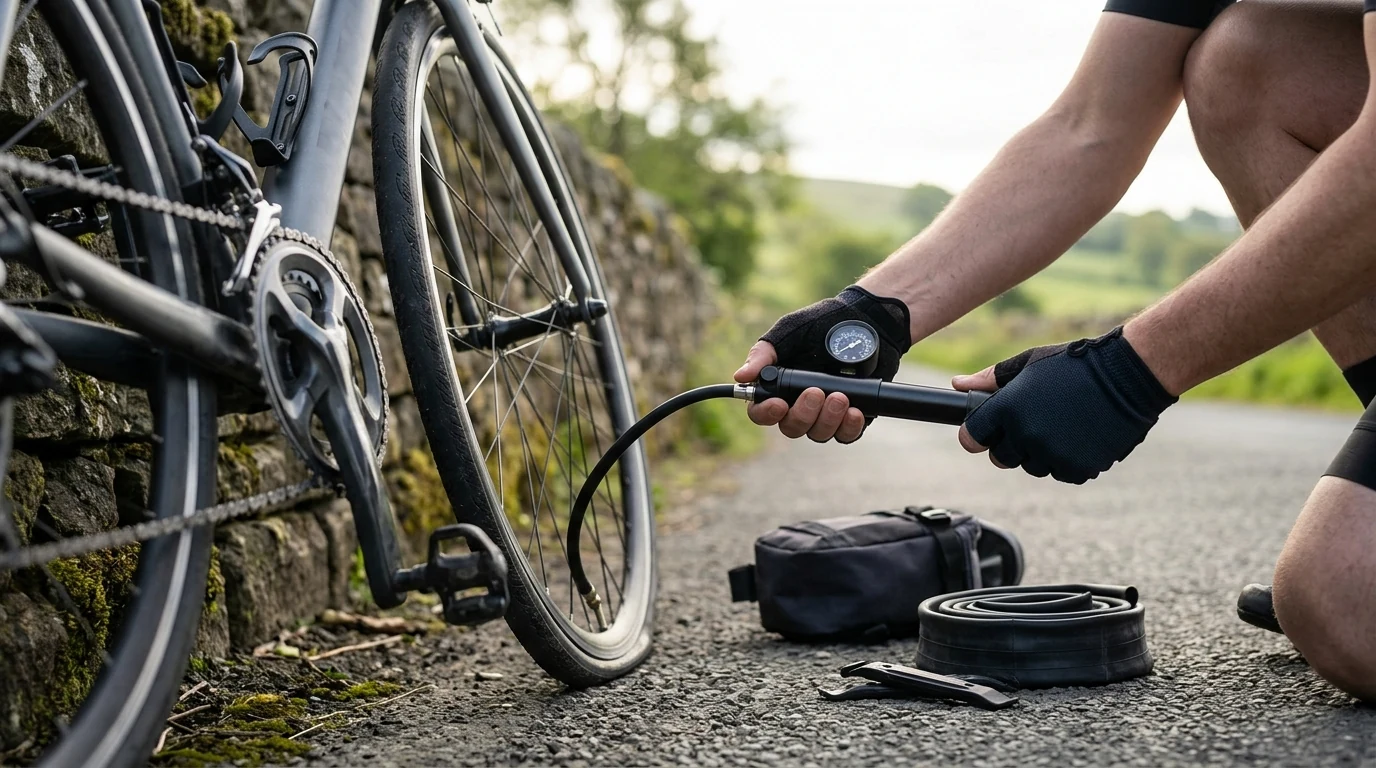
Portable 160 PSI Bike Pump with Gauge for Road & Mountain Bikes
A reliable mini pump can turn a ride-ending flat into a quick pit stop. A compact pump with a built-in gauge brings two big advantages on the road or trail: you can actually reach the pressure your tires need, and you can repeat it consistently. The Portable 160PSI Bike Pump with Gauge for Road & Mountain Bikes is designed for riders who want a packable backup that still feels precise enough for everyday pressure checks.
Why a gauge matters on a portable pump
With mini pumps, “close enough” can mean the difference between a smooth ride and a tire that feels slow, squirmy, or harsh. A gauge helps remove the guesswork when you’re topping up after a repair or adjusting pressure for changing terrain.
- Helps avoid under-inflation that increases pinch-flat risk and rolling resistance.
- Prevents over-inflation that can reduce traction and comfort (especially off-road).
- Makes repeatable pressure settings easier when swapping routes, tires, or loads.
- Useful for fine-tuning front vs rear pressure for handling balance.
For practical inflation and tire-handling best practices, Park Tool’s repair guidance is a solid reference: Tire and Tube Removal and Installation.
What to look for in a compact high-pressure bike pump
Small pumps can vary wildly in feel and performance. When choosing a portable option for road and mountain use, these details make a noticeable difference mid-ride.
- Pressure range: higher max PSI is helpful for narrow road tires and emergency seating attempts.
- Gauge readability: clear markings and stable needle movement reduce guesswork.
- Valve compatibility: quick switching between common valve types simplifies multi-bike households.
- Hose vs direct head: a short hose can reduce stress on the valve stem while pumping.
- Body and handle ergonomics: comfortable grip matters when topping up from low pressure.
- Mounting and carry options: frame mount, jersey pocket, or pack-friendly dimensions.
If you’re dialing in feel rather than chasing a number, it also helps to understand the factors behind tire pressure—rider weight, casing, terrain, and speed. The SRAM/Zipp overview explains the tuning logic clearly: Tire Pressure Guide.
Portable 160 PSI Bike Pump with Gauge: highlights and best uses
This style of pump is built around versatility: high-pressure capability for road tires, plus the control you want when conditions change. It’s a practical choice for riders who don’t want to carry both a CO₂ inflator and a separate gauge.
- Up to 160 PSI capacity for road and higher-pressure setups.
- Integrated gauge for pressure checks mid-ride or before rolling out.
- Practical for road, mountain, and mixed-surface riding where conditions change.
- Good fit for commuters and travelers who need a compact, all-in-one backup inflation tool.
- Pairs well with a small patch kit or spare tube for a complete roadside fix.
Quick fit check: where this pump shines
| Rider type | Why it helps | Typical use case |
|---|---|---|
| Road rider | Higher-pressure headroom plus gauge control | Top-up before group rides or after a small leak |
| Mountain biker | Gauge helps avoid over-inflating for trail grip | Adjust pressure after terrain changes |
| Commuter | Portable backup that’s easy to stash | Unexpected soft tire on the way home |
| Touring / bikepacking | Repeatable pressure across days and loads | Morning pressure checks with packed bags |
Recommended tire pressures (starting points)
Use the tire sidewall limits as a safety boundary, then fine-tune for comfort and control. Heavier riders, heavier loads, and higher speeds typically need more pressure, while wider tires and rougher terrain often feel better with less.
- Stay within the tire’s stated limits and rim recommendations.
- Make small changes (2–5 PSI) and note handling and comfort differences.
- Consider slightly higher rear pressure since it carries more weight.
Common starting PSI ranges by tire type (adjust for rider weight, tire width, and conditions)
| Bike / tire category | Typical tire width | Starting PSI range |
|---|---|---|
| Road | 23–28 mm | 80–110 PSI |
| Endurance road / all-road | 28–35 mm | 55–85 PSI |
| Gravel | 35–45 mm | 35–60 PSI |
| Mountain (XC/trail) | 2.2–2.4 in | 20–35 PSI |
| Mountain (enduro/downhill) | 2.4–2.6 in | 18–30 PSI |
How to use a portable pump with gauge (quick steps)
Portability and mounting tips
For commuting setups, comfortable footwear and a compact carry option can make daily rides simpler. Consider pairing your repair essentials with New Balance 550 Sneakers for around-town walking and stops, and an everyday carry option like the Elegant Structured Crocodile Pattern Leather Shoulder Bag for keeping small items organized.
Troubleshooting common inflation problems
Care and maintenance for long service life
Shop in-stock picks
- Portable 160PSI Bike Pump with Gauge for Road & Mountain Bikes ($32.82)
- New Balance 550 Sneakers ($75.51)
- Elegant Structured Crocodile Pattern Leather Shoulder Bag – Soft Texture ($124.47)
FAQ
Is 160 PSI necessary for mountain bike tires?
No—most mountain bike setups run far below that range, often around 18–35 PSI depending on tire width, rider weight, and terrain. A higher max PSI mainly adds versatility, faster top-offs, and compatibility with higher-pressure road or hybrid tires when needed.
How accurate are gauges on portable bike pumps?
Mini-pump gauges are typically accurate enough for consistency and on-the-go adjustments, but they can vary from a home floor pump gauge. For best results, use a floor pump at home as your reference and treat the portable gauge as a reliable “repeatable settings” tool while riding.
What tire pressure should be used for road vs mountain riding?
Road tires commonly start around 80–110 PSI for 23–28 mm widths, while mountain tires often start around 18–35 PSI depending on volume and riding style. Stay within the tire’s sidewall limits and fine-tune in small steps to balance grip, comfort, and efficiency.













Leave a comment