Are Sensor Trash Cans Worth It? Pros, Cons, and Tips
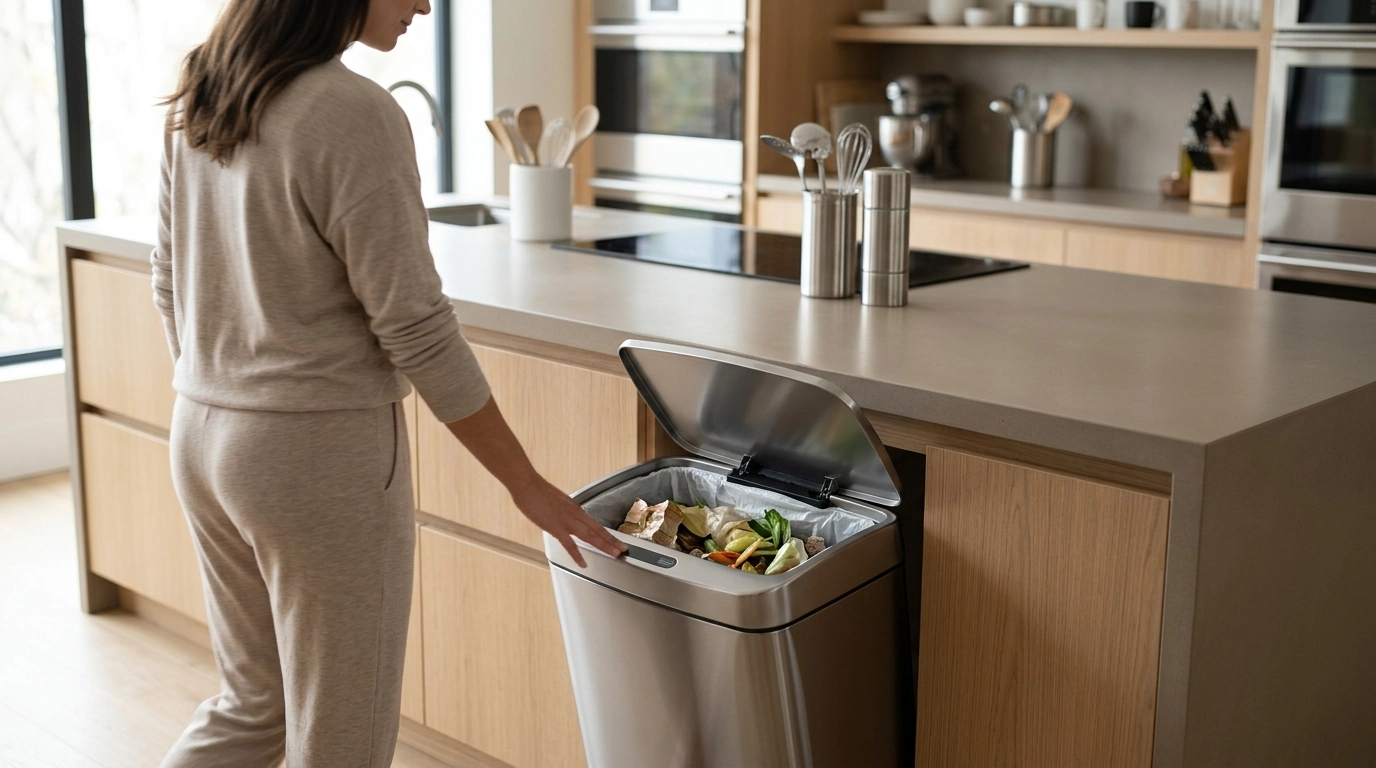
Are sensor trash cans worth it?
Sensor trash cans are worth it for many households because they reduce mess, cut down on germs, and make daily cleanup faster. With a wave of your hand, the lid opens without touching anything—handy when cooking, changing diapers, or cleaning up after guests.
The biggest value shows up in high-traffic spots like kitchens and bathrooms. Touchless operation helps keep odors contained because the lid closes automatically, and it limits fingerprints and smudges on the outside. Many models also use slow-close lids, which reduces noise compared to standard flip-top bins.
When a sensor can is a smart buy
If the trash gets used constantly, a sensor lid saves time and keeps your hands cleaner. It’s also helpful for households with kids, anyone with mobility limitations, or situations where you want to avoid spreading germs (like when handling raw meat packaging). Small spaces can benefit too: a compact touchless can can feel more “contained” than an open bin, especially near a vanity or kitchen prep area.
When it may not be worth it
Sensor cans cost more than basic bins and need power—usually batteries, sometimes a rechargeable pack. If the can sits in a low-use area (like a home office), the convenience may not justify the price. Very bright sunlight, cramped placement under counters, or heavy splashes can also cause inconsistent triggering on some models.
What to look for before buying
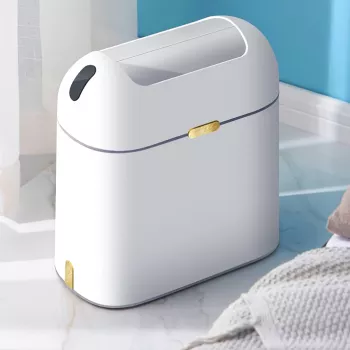
Prioritize a responsive sensor, a lid that seals well, and a size that matches your room and trash output. Also check whether it uses common bag sizes and whether the inner liner design keeps bags from slipping. For a deeper breakdown of features and sizing—especially for compact spaces—see this guide to a small touchless sensor trash can.
FAQ
Do sensor trash cans use a lot of batteries?
Most don’t, but battery life depends on how often the lid opens each day and the sensor’s efficiency. In busy kitchens, expect to replace batteries more often than in a bathroom.













Leave a comment