Men’s 1.5″ Vintage Leather Belt: Fit, Style & Care
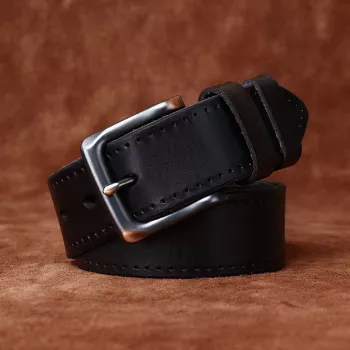
Men’s 1.5 Inch Vintage Leather Belt with Needle Buckle
A 1.5-inch leather belt with a classic needle buckle is a reliable everyday staple—wide enough for jeans, clean enough for smart-casual, and built to age with character. The best versions feel substantial in hand, sit comfortably through belt loops, and develop a richer tone as the leather breaks in. Below are the details that matter most for fit, materials, styling, and care, plus what to check before adding one to your rotation.
What Makes a 1.5-Inch Belt a Versatile Choice
When a belt is meant to be worn often, proportions and hardware do most of the heavy lifting. A 1.5-inch (about 38 mm) width hits a sweet spot that works across casual wardrobes without feeling bulky.
- Balanced width: 1.5 inches pairs naturally with most jean and chino belt loops, so it doesn’t look undersized or overly rugged.
- Vintage look that improves: quality leather develops patina—subtle darkening, tonal depth, and surface character—so it looks better with time rather than simply “worn out.”
- Needle buckle practicality: micro-adjusting is as easy as moving to the next hole. The profile also stays classic and low-fuss with denim, workwear, and weekend outfits.
- Everyday durability: thicker leather belts tend to resist twisting and rolling, helping them keep a straight line through the loops.
Material and Build Details to Look For
Two belts can look similar on a product page and wear completely differently after a few months. These checkpoints help separate a long-term staple from a quick replacement.
- Leather type: full-grain and quality top-grain typically age more attractively than heavily coated splits. The surface should feel like leather—supple but firm—rather than plasticky.
- Edge finishing: clean, sealed edges reduce fraying and keep the belt looking crisp even after repeated bending near the buckle.
- Stitching and keeper loops: tight, even stitching around the buckle end and a secure keeper help prevent stretching where stress is highest.
- Buckle hardware: solid, smooth-finished metal with a prong that moves cleanly helps protect the holes from unnecessary tearing.
- Hole spacing: consistent, standard spacing makes fit easier to dial in and reduces the temptation to over-tighten (which can deform the belt over time).
For general leather cleaning and conditioning guidance, reputable care brands often provide helpful basics; see Leather Honey’s leather care tips for a practical overview.
Sizing and Fit: Getting the Right Length
A great belt should disappear once it’s on—secure, comfortable, and easy to buckle without fighting the holes. The most dependable way to choose a size is to measure a belt you already like.
- Measure your current belt: measure from the buckle fold (where the leather turns around the buckle) to your most-used hole, then match that measurement when selecting a new belt.
- Aim for the middle holes: the best fit typically lands with the prong in the center holes, leaving room for small waist changes and seasonal layering.
- Tail length matters: a properly sized belt often leaves a tail of about 3–6 inches past the buckle, enough to tuck neatly into the keeper without excessive flap.
- Check belt-loop clearance: a 1.5-inch belt should slide through jean loops smoothly—avoid belts that scrape tightly, which can cause wear on both belt and denim.
Quick Belt Sizing Reference
| Waist/Pant Size (in) | Typical Belt Size (in) | Fit Tip |
|---|---|---|
| 30–32 | 32–34 | Aim for prong in the center hole |
| 33–34 | 34–36 | Leave enough tail for a clean tuck |
| 35–36 | 36–38 | Check buckle fold-to-hole measurement |
| 38–40 | 40–42 | Avoid sizing down; leather can feel tighter after meals |
If you need a simple visual method for measuring, WikiHow’s belt measuring guide shows common reference points (buckle fold to most-used hole) that work well for most belt styles.
How to Wear a Vintage Leather Belt with a Needle Buckle
A vintage leather belt looks most natural when the rest of the outfit has some texture—denim, canvas, flannel, or brushed cotton—and when the metal finishes feel intentional.
- With denim: pair with raw or washed jeans, boots or sneakers, and a heavyweight tee or flannel for a classic workwear vibe.
- Smart-casual: wear with chinos and an oxford shirt; loafers or clean leather sneakers keep it relaxed but polished.
- Color coordination: keep leather tones in the same family (warm browns with warm browns; black with black). Exact matching is optional—close harmony looks more natural.
- Buckle styling: needle buckles look best when the hardware finish (silver or brass tones) complements a watch case, ring, or bag hardware.
Care and Maintenance for Long-Lasting Leather
Product Spotlight: Men’s 1.5 Inch Vintage Leather Belt with Needle Buckle
If you want a straightforward belt that covers most daily outfits, Men’s 1.5 Inch Vintage Leather Belt with Needle Buckle is built around the essentials: a classic everyday width, a timeless needle buckle profile, and the kind of rugged simplicity that works with jeans and casual trousers.
More In-Stock Picks
- Cute Apple House Kitten Plush – Soft Detachable Cat Plush Toy ($30.51 USD)
- Great Meals, Small Budget ($79.99 USD)
FAQ
How should a leather belt fit?
The prong should land near the middle holes so the belt feels secure without digging in. You’ll usually want a neat tail (around 3–6 inches) that tucks cleanly into the keeper.
Is a 1.5-inch belt too wide for everyday wear?
No—1.5 inches is a standard everyday width for jeans and many chinos. It can read too casual with formal suits, but it’s ideal for most casual wardrobes.
How often should a leather belt be conditioned?
Conditioning every few months is typical, depending on climate and wear. In dry conditions you may condition a bit more often, while over-conditioning can soften leather too much and reduce structure.











Leave a comment