Wooden Mushroom Massager Guide: Use, Benefits & Care
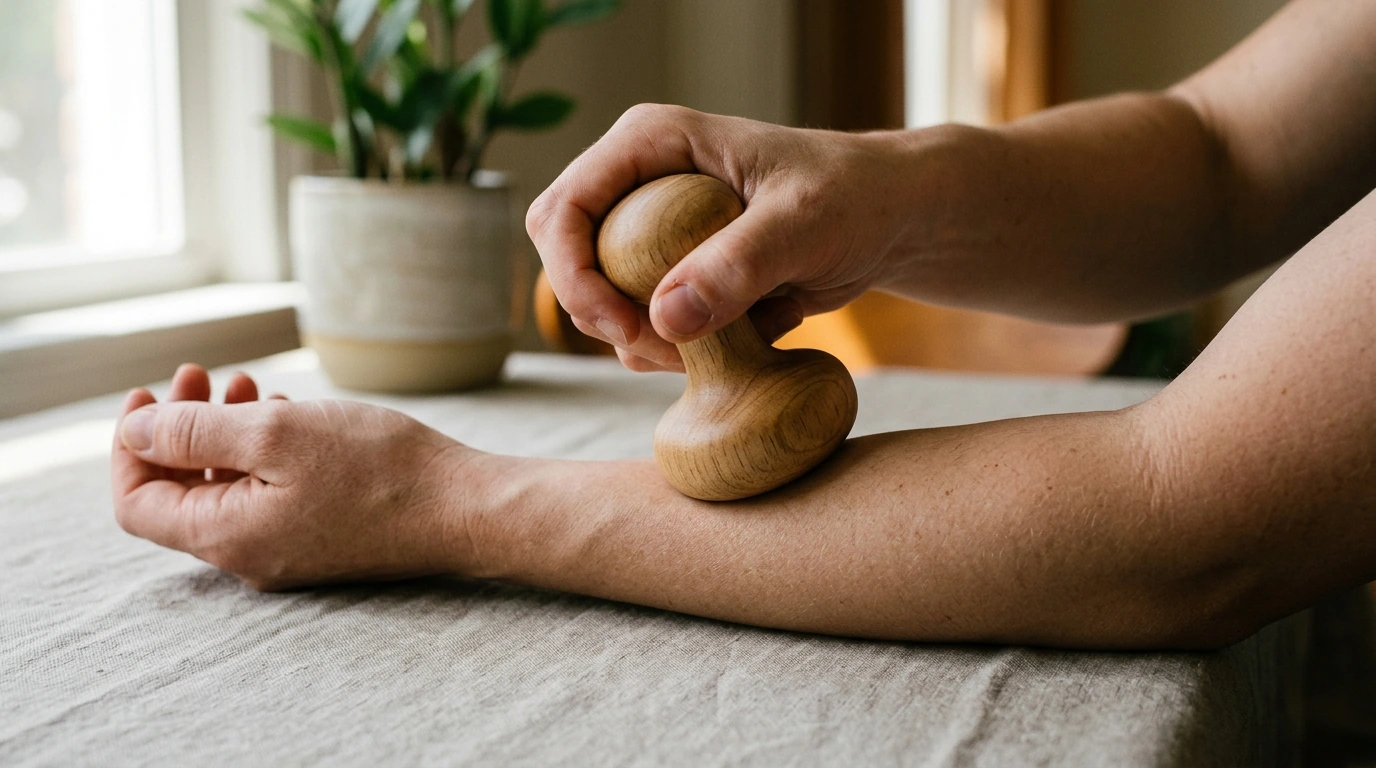
Wooden Mushroom Massager: A Simple Tool for Targeted Muscle Relief
A wooden mushroom massager is a compact, palm-friendly tool designed to apply focused pressure where muscles feel tight—neck, shoulders, forearms, calves, and feet. Its rounded “cap” helps distribute pressure smoothly, while the short handle supports controlled, fatigue-free use. Below are practical ways to use it, what to look for in a well-made piece, and how to care for wood so it stays comfortable and long-lasting.
What It Is and Why the Shape Works
A mushroom massager is a handheld wooden tool with a rounded top and short stem, built for firm, localized pressure without the harsh edges that can pinch or scrape skin. The dome-like head naturally encourages small, precise circles over knots and tender spots, while the smooth curve helps the tool “roll” comfortably as you change angles.
Because wood is rigid, it can deliver deeper compression than many soft tools. When the surface is finished well, it also tends to feel warmer and smoother against the skin than cold metal or hard plastic. The mushroom profile makes it easy to switch techniques: press with the cap for broader contact, or use the edge of the cap when you want more focused work on a stubborn trigger point.
Key Benefits in Everyday Use
- Targeted relief: Especially helpful for small, persistent tight spots—upper trapezius tension, forearm fatigue from gripping, and tight arches in the feet.
- Portable and quick: No charging, no setup, and easy to keep at a desk, in a gym bag, or in a travel kit.
- Pressure control: Intensity comes from your angle and body weight, which often feels more precise than a motorized tool on sensitive areas.
- Grip-friendly: The handle supports a more neutral wrist than “digging in” with knuckles or thumbs, which can get sore fast.
For general massage safety and expectations, the National Center for Complementary and Integrative Health provides a helpful overview of massage therapy basics: Massage: What You Need To Know (NCCIH).
How to Use It: A Short Routine (5–10 Minutes)
This quick routine works well after training, between meetings, or anytime you notice “hot spots” of tightness. Keep breathing steady and avoid rushing—slow pressure tends to be more effective than aggressive pressure.
- Start light (30–60 seconds): Warm the tissue first with gentle strokes or broad circles before trying to “work out” a knot.
- Use slow circles (20–40 seconds per spot): Set the rounded head on the area and make small circles about the size of a coin.
- Try sustained compression (20–30 seconds): Hold steady pressure on a tender point, then release gradually. If the discomfort spikes sharply, back off.
- Follow the muscle fibers (30–60 seconds): After circles, glide in the direction of the muscle—along the forearm toward the elbow, or up the calf toward the knee.
- Finish with easy movement (30–60 seconds): Gentle shoulder rolls, ankle pumps, or opening/closing the hands helps “teach” the area to move without bracing.
If you’re familiar with foam rolling principles, many of the same “go slow and don’t force pain” guidelines apply. For a clear breakdown of benefits and cautions, see: Foam Rolling: Potential Benefits and Risks (Cleveland Clinic).
Best Areas and Techniques
Neck and shoulders
Use very light pressure and stay on muscle: the upper trapezius (top of the shoulder) and the shoulder cap. Avoid pressing directly on the front/side of the neck. Keep circles small and slow, and stop if sensations travel down the arm.
Forearms and hands
Great for repetitive strain from typing, lifting, racquet sports, or gripping tools. Roll along the “meaty” part of the forearm with gentle-to-moderate pressure, then pause briefly on tender points. For the palm, use lighter pressure and shorter holds.
Feet
Calves and shins (muscle belly only)
Lower back and hips
When to Be Careful
Care and Cleaning for Wooden Tools
Quick Reference: What to Look For
| Feature | Why it matters | What to check |
|---|---|---|
| Rounded cap | Even pressure and comfortable contact | No sharp rim; smooth curve |
| Handle height | Control and leverage | Easy to grip without pinching fingers |
| Surface finish | Skin comfort and hygiene | Smooth to the touch; easy to wipe clean |
| Wood integrity | Durability and safety | No cracks, splinters, or warping |
| Pressure feel | Better tolerance and results | Firm but not painful when used lightly |
Product Spotlight: Wooden Mushroom Massager
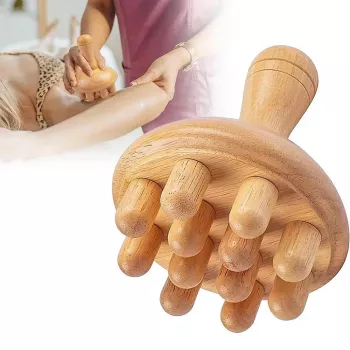
If you want a simple, non-powered tool for controlled, targeted pressure, the Wooden Mushroom Massager is designed for common tension areas like shoulders, forearms, calves, and feet. Its compact size makes it easy to keep in a desk drawer, gym bag, or travel kit, and the mushroom shape supports gentle circles, slow glides, or short holds based on comfort.
For a more relaxing post-session routine, some people pair self-massage with a warm shower and a small reset ritual at home—whether that’s decompressing with a cozy item like the Cute Apple House Kitten Plush – Soft Detachable Cat Plush Toy or leaning into simple recovery-friendly meals from Great Meals, Small Budget.
FAQ
How much pressure should a wooden mushroom massager use?
Start with light to moderate pressure that feels productive but not sharp. Increase gradually by leaning body weight or adjusting angle rather than pressing hard with your wrist, and aim for mild tenderness that settles within a day.
Can it be used on the neck and shoulders?
Yes, but keep pressure gentle and stay on muscle (upper traps and the shoulder cap). Avoid the front/side of the neck and direct pressure on the spine, and stop if discomfort radiates or causes tingling.
How should a wooden massager be cleaned?
Wipe it with a slightly damp cloth after use and dry immediately. Avoid soaking, and if desired, condition occasionally with a tiny amount of mineral oil and buff away any residue.













Leave a comment