Knee Compression Sleeve: Fit, Use & Sports Recovery Tips
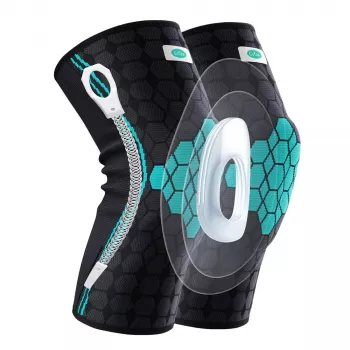
Compression Knee Support Sleeve for Sports & Injury Recovery
A well-fitted knee compression sleeve can be a simple way to feel steadier on your feet while you train, return to sport, or manage everyday knee irritation. The best sleeves provide consistent, all-around pressure that may help with mild swelling, improve joint awareness, and add comfortable warmth—without the bulk of a rigid brace. Below is a practical guide to how knee sleeves work, who they’re best for, how to size and wear one safely, and when it’s time to seek a higher level of support or medical evaluation.
What a compression knee sleeve does
A compression sleeve is designed to hug the knee joint with even (often slightly graduated) pressure. While it won’t “lock” the knee in place, it can make movement feel more controlled and comfortable.
- Provides graduated, all-around pressure that may help manage mild swelling and support circulation during activity and rest.
- Enhances joint awareness (proprioception), which can improve confidence during walking, running, and lateral movements.
- Adds warmth around the knee, which may reduce stiffness and make the joint feel more prepared for movement.
- Offers light-to-moderate stabilization without the bulk of hinged braces.
For more background on common knee problems and warning signs, see resources from the American Academy of Orthopaedic Surgeons (AAOS) and Cleveland Clinic.
Who typically benefits most
Knee sleeves are popular because they’re easy to wear during training and daily movement. They’re often a good match for people who want support and comfort while keeping full range of motion.
- Sports participants returning after minor knee strains, mild sprains, or overuse irritation (as cleared by a clinician when needed).
- People managing patellar tracking discomfort or general anterior knee ache during squats, stairs, and running.
- Individuals with mild arthritis-related stiffness who prefer a flexible support option.
- Athletes seeking support for jumping and cutting sports while maintaining range of motion.
When a sleeve may not be enough
Compression can help you feel supported, but it’s not a substitute for diagnosis or higher-stability bracing when the knee is truly unstable.
- Significant instability, buckling, or suspected ligament injury may require a higher-support brace and professional evaluation.
- Severe swelling, inability to bear weight, visible deformity, or acute traumatic injury needs urgent medical assessment.
- Persistent pain that worsens over time should be assessed for meniscus injury, tendon pathology, or other causes.
- Numbness, tingling, color change, or increasing swelling while wearing compression suggests improper fit or circulation issues.
If you’re unsure whether symptoms match a sprain/strain versus something more serious, guidance from the NHS on sprains and strains can help frame what typically improves at home versus what warrants evaluation.
Fit and sizing: getting supportive compression without pinching
Sizing is the difference between “supportive” and “annoying.” Measure where the sleeve is designed to sit (often around the knee joint line, and sometimes thigh/calf as well), then match your numbers to the product’s sizing chart.
Quick fit check and comfort cues
| Fit cue | What it should feel/look like | Adjust if… |
|---|---|---|
| Putting it on | Takes a little effort but slides up without forcing | It’s extremely hard to pull up or causes immediate pain |
| Around the top/bottom edges | Flat against skin; no rolling | Edges roll, pinch, or create a tight band |
| During movement | Stays in place through squats and steps | Slips down, bunches behind the knee, or twists |
| After 10–15 minutes | Supportive, warm, normal skin color | Numbness/tingling, coldness, discoloration, or throbbing |
How to use a knee sleeve during recovery and training
Example wear schedule for a gradual return
| Phase | Typical activity | Suggested sleeve use |
|---|---|---|
| Early return | Walking, gentle mobility, light cycling | Wear during activity; remove afterward to check skin and comfort |
| Build-up | Bodyweight strength, short jog intervals | Wear for warm-up + main set; reassess fit as swelling changes |
| Sport practice | Cutting drills, moderate intensity practice | Wear for the full session if comfortable; remove during cooldown if desired |
| Game day/training peak | High intensity, jumping, lateral moves | Wear if it improves confidence and does not increase pain |
Care and durability tips
Sleeve vs brace vs taping: choosing the right support level
Support options at a glance
| Option | Best for | Trade-offs |
|---|---|---|
| Compression sleeve | Swelling control, warmth, proprioception, everyday sport comfort | Limited stabilization for major instability |
| Hinged/rigid brace | Ligament support and instability | Bulk, movement restriction, fit complexity |
| Taping | Short-term targeted support | Requires skill; can loosen with sweat; skin irritation risk |
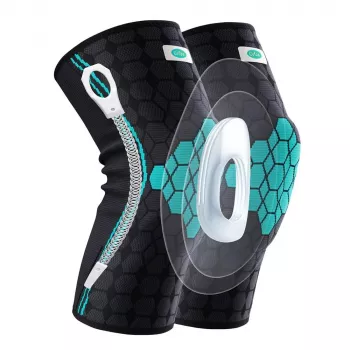
Product spotlight: Compression Knee Support Sleeve for Sports & Injury Recovery
If you want flexible support that fits under most training gear, the Compression Knee Support Sleeve for Sports & Injury Recovery is designed to provide consistent compression around the knee for sports use and recovery support. It’s a practical option for training sessions, practice days, and daily movement when you prefer the feel of a sleeve over a rigid brace.
| Detail | Value |
|---|---|
| Product | Compression Knee Support Sleeve for Sports & Injury Recovery |
| Price | $22.51 USD |
| Availability | In stock |
| Product page | View details |
For recovery-friendly meal planning on busy training weeks, Great Meals, Small Budget is another in-stock option worth a look.
FAQ
How tight should a knee compression sleeve feel?
It should feel snug and supportive, but not painful. Stop using it and reassess sizing if you notice numbness, tingling, discoloration, or deep marks that don’t fade fairly quickly.
Can a knee sleeve help with swelling after sports?
Compression may help with mild swelling, especially when combined with rest and elevation. Worsening swelling, significant heat, or escalating pain should be checked by a clinician.
How long can a knee compression sleeve be worn in a day?
Many people wear a sleeve during activity and then remove it periodically to check skin comfort and circulation. If you have vascular, nerve, or skin concerns, longer wear should be guided by a clinician.













Leave a comment