Hanging Hammock Swing Chair Setup for Small Spaces
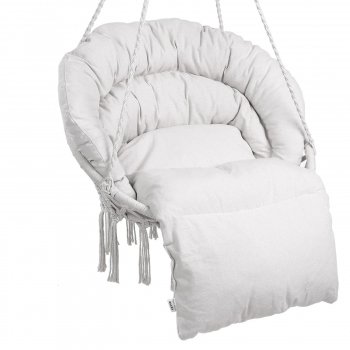
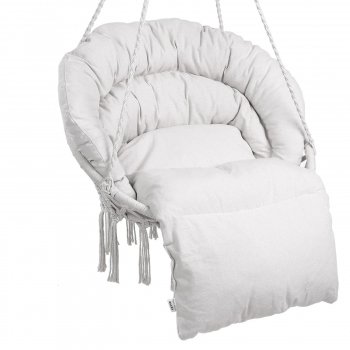
Hanging Hammock Swing Chair for Easy Indoor and Outdoor Relaxing
A hanging hammock swing chair can turn a porch corner, balcony nook, or reading spot into a comfortable retreat with minimal floor space. The best results come from two things: a secure mounting point (so the sway feels smooth instead of sketchy) and a few comfort upgrades—like a supportive cushion, a headrest pillow, and enough foot space to truly settle in.
What a hanging swing chair adds to a space
The appeal is simple: a gentle sway that encourages you to slow down. Unlike many patio chairs or bulky loungers, a hanging chair uses vertical space, so it can fit where a traditional seat would feel crowded—think a tight apartment balcony, a sunroom corner, or that unused spot by a bedroom window.
- Creates a relaxing seat that lightly sways, great for reading, lounging, or decompressing after work
- Works well in small areas because it relies on overhead support rather than a wide footprint
- Adapts to different settings: covered patio, bedroom nook, sunroom, or a sturdy tree branch (with the right support)
- Delivers a casual “floating” vibe that blends with boho, modern, and coastal decor
Comfort and design details that matter
Not all hanging hammock swing chairs feel the same once you sit down for more than five minutes. Small design details—seat depth, fabric texture, and how the suspension is built—decide whether the chair becomes a daily favorite or a once-in-a-while novelty.
- Seat shape: A deeper seat supports hips and back better, and it’s more forgiving if you like to sit cross-legged.
- Fabric feel: Breathable materials tend to feel nicer in warm weather; thicker weaves often feel more supportive and less “slouchy.”
- Weight capacity: Pick a rating that comfortably exceeds your heaviest expected user, leaving a real safety buffer.
- Spreader bar vs. cocoon style: Spreader bars can feel more open and easier to get in and out of; cocoon styles feel snug and wraparound.
- Accessories: A headrest pillow, seat cushion, or small lumbar pillow can dramatically improve long sit sessions.
Quick comfort checklist
| Feature | Why it helps | What to look for |
|---|---|---|
| Deep seat depth | Reduces pressure on thighs and improves lounging posture | Enough depth to sit cross-legged or tuck feet comfortably |
| Breathable fabric | Stays cooler and reduces sweaty contact points | Cotton-like or ventilated weaves for indoor/outdoor shade |
| Cushion compatibility | Adds softness without slipping | Flat seat area or loops/edges that help keep cushions in place |
| Stable suspension | Smoother sway and less twisting | Quality ring/rope/chain with secure hardware rated for load |
Where to hang it: indoor vs. outdoor spots
Choosing the location is half comfort and half practicality. The chair should have enough clearance to sway gently, and it should hang at a height that makes getting in and out feel natural—no deep squat, no awkward hop.
- Ceiling joist: Ideal for bedrooms and reading corners, but it must be mounted into a structural member (not drywall).
- Covered porch beam: Often the simplest outdoor option if the beam is sound and the hardware is weather-ready.
- Hanging stand: Great for renters or anyone who wants flexibility; it avoids drilling but takes more floor space.
- Tree branch: Only if it’s thick, healthy, and stable—use protective straps to reduce bark damage and slipping.
- Clearance planning: Leave space on all sides for sway and confirm there’s enough height so feet can rest comfortably.
Safe installation basics
A hanging chair should feel relaxing, not questionable. Start with the basics: a solid anchor point, properly rated hardware, and a setup that won’t rub or twist itself into wear over time.
- Use hardware rated for the intended load and environment (indoor vs. outdoor exposure).
- Confirm the anchor point is structural: ceiling joists, beams, or engineered supports—not trim, paneling, or drywall anchors alone.
- Aim for a hanging height that keeps the seat easy to enter/exit without excessive knee bend.
- Add a swivel only if it is weight-rated and installed correctly; it can reduce rope twisting.
- Periodically inspect connection points for wear, rust, fraying, loosening, or creaking before extended use.
For general safety guidance and consumer product resources, the Consumer Product Safety Commission is a helpful reference. For framing and connection best practices that influence where and how loads can be supported, the American Wood Council provides technical information.
Styling ideas for a cozy nook (small-space friendly)
A hanging swing chair looks best when it feels “intentional,” even in a small footprint. The goal is to make a compact zone that supports real downtime—without cluttering walkways or making the area feel crowded.
Care and longevity
A ready-to-use option to consider
- Hanging Hammock Swing Chair — a straightforward way to add a floating lounge seat with minimal floor space.
- Great Meals, Small Budget — a cozy companion for slow mornings in your swing chair, from coffee breaks to weekend meal planning.
- Cute Apple House Kitten Plush – Soft Detachable Cat Plush Toy — a soft, playful accent that pairs nicely with a reading nook vibe.
FAQ
How much weight can a hanging hammock swing chair hold?
Weight limits vary by model and by the hardware used. Follow the manufacturer’s rating and make sure the anchor point, mounting kit, and any swivel or stand are rated at least as high, ideally with a safety margin.
Can a hanging swing chair be installed in a ceiling?
Yes, as long as it’s mounted into a structural joist or beam with properly rated hardware. Avoid drywall-only mounting and confirm you have enough clearance for safe entry/exit and gentle sway.
What is the easiest way to keep an outdoor hanging chair in good condition?
Limit long exposure to heavy rain and strong sun, store cushions when not in use, and inspect periodically for fraying, rust, or loosening hardware. Addressing small wear early helps prevent bigger failures later.













Leave a comment