Heavy-Duty Bolt Cutter Guide: 8–24 in Sizes & Clean Cuts
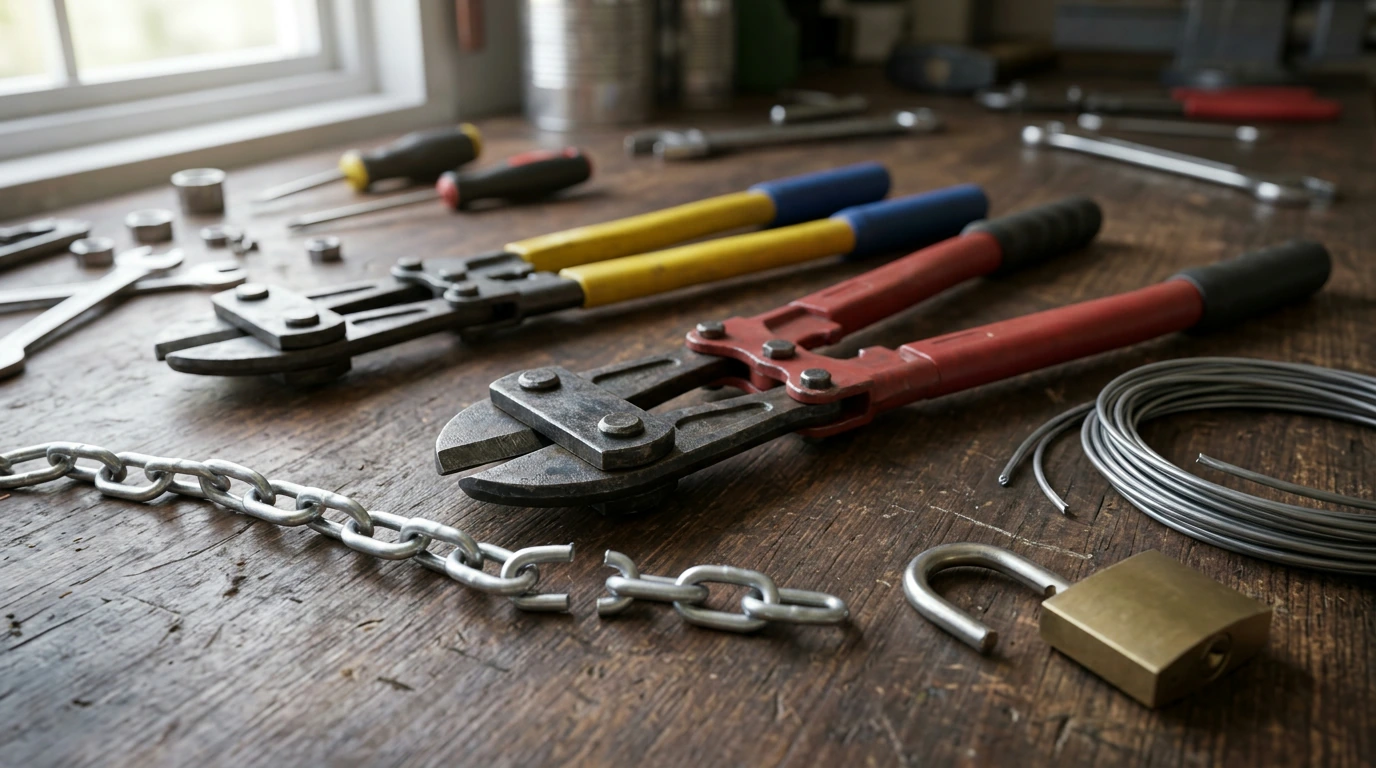
Heavy-Duty Bolt Cutter (8in to 24in): Precision Cutting for Locks, Wire, and Chain
A dependable bolt cutter makes quick work of tasks that would otherwise chew up time and tools—cutting padlocks, wire, cable, and light chain with controlled, repeatable force. The right length (from compact 8-inch models up to 24-inch leverage-focused cutters) helps you cut efficiently without wrestling the tool or damaging the jaws. Below is what to expect from an 8in to 24in heavy-duty bolt cutter, how to pick the best size, and how to use it safely for clean, precise cuts.
What This Bolt Cutter Is Built For
Heavy-duty bolt cutters are designed to concentrate hand force into the cutting edges through leverage. That makes them a practical choice for jobs where saws, snips, or grinders are slower, messier, or harder to control.
- Cutting locks and hasps during maintenance, repair, or replacement work
- Trimming wire, fencing, and tie wire where clean separation matters
- Snipping light-to-medium chain links (within the tool’s material limits)
- Workshop, garage, farm, and jobsite tasks where leverage beats saws and grinders
- Controlled cutting in tighter spaces with shorter lengths, or maximum leverage with longer lengths
8in to 24in: Choosing the Right Size for the Job
Length affects two things most: leverage and access. Longer handles multiply force, but they need more clearance and can feel less “surgical” in tight spots. If the work area is cramped (behind a fence post, inside a utility nook, or near a gate latch), a shorter cutter can be the difference between a clean bite and a frustrating half-cut.
- Shorter cutters (around 8in–12in) favor portability and access in cramped spaces; best for smaller wire and lighter cuts
- Mid sizes (around 14in–18in) balance reach and leverage for general-purpose cutting
- Longer cutters (around 20in–24in) maximize leverage for tougher materials; ideal when extra force is needed
- Leverage increases with handle length, but control can decrease—match size to both material and work area
- For repetitive wire cutting, choose a size that minimizes fatigue while still meeting the material demands
Quick Size Guide (8in–24in)
| Length range | Best for | Trade-offs |
|---|---|---|
| 8–12 in | Light wire, tight access, carry in a toolbox | Less leverage; may struggle on thicker or harder materials |
| 14–18 in | General shop use: wire, small chain, occasional lock cutting | Moderate leverage; may require repositioning on tougher cuts |
| 20–24 in | Harder cuts needing maximum leverage: thicker wire/chain, stubborn hardware | Bulkier; needs more clearance and can be less precise in cramped areas |
Precision Matters: Getting Clean Cuts on Wire and Locks
A bolt cutter can leave a surprisingly neat cut when the jaws are aligned and the material is placed correctly. Most rough results come from shallow jaw placement, angled bites, or twisting the handles mid-cut.
- Align the material deep into the jaws near the pivot for maximum force and a cleaner cut
- Square the jaws to the material to reduce pinching, twisting, and uneven breaks
- Use steady pressure rather than jerking the handles to maintain control and protect the cutting edges
- For lock shackle cutting, confirm a clear bite and avoid cutting at extreme angles that can cause slipping
- If the material flexes (like cable), stabilize it before cutting to prevent frayed ends
For wire that likes to “walk” out of the jaws, a simple trick is to pre-load the bite: squeeze lightly until the jaws grip, then increase force while keeping the tool square and your elbows tucked for stability.
Key Features to Look For in a Heavy-Duty Bolt Cutter
Not all bolt cutters feel the same under load. When force ramps up, small differences in jaw hardness, pivot tightness, and handle rigidity become obvious.
- Hardened cutting edges for longer-lasting performance on tough materials
- Comfortable, non-slip grips to maintain control under high force
- Rigid handles and a solid pivot to minimize jaw spread
- Adjustable jaw alignment (where available) to keep the cutting edges meeting cleanly
- Finish and build quality that resists corrosion in garages, farms, and outdoor storage
Jaw spread is a common culprit when cutters “crush” instead of slice. A sturdy pivot and proper adjustment help the edges meet cleanly at the point of the cut.
Safe Use and Damage Prevention
Cutting metal can be unpredictable at the instant the cut completes. Small pieces can eject, and hardened materials can chip if they exceed the tool’s capability. Follow general hand-tool safety guidance and eye protection recommendations from OSHA and NIOSH.
Care and Maintenance for Long Service Life
Common Jobs and Practical Tips
Shop In-Stock Picks
- Heavy-Duty Bolt Cutter – 8in to 24in | Precision Lock & Wire Cutting Tool
- New Balance 550 Sneakers
- Elegant Structured Crocodile Pattern Leather Shoulder Bag – Soft Texture
FAQ
What size bolt cutter should be used for locks and wire?
For light wire and tight access, 8–12 inch cutters are easy to control and carry. For a versatile middle ground, 14–18 inch models cover most general cutting needs, while 20–24 inch cutters deliver maximum leverage for tougher locks or thicker chain when you have enough clearance to work.
How can cleaner cuts be made on wire without fraying or twisting?
Seat the wire deep in the jaws near the pivot, keep the jaws square to the material, and apply steady pressure instead of jerking the handles. Stabilize flexible wire or cable before cutting, and check jaw alignment if cuts start looking crushed or uneven.
Can bolt cutters be used on hardened steel or security locks?
Some hardened steel and high-security lock components can exceed a typical bolt cutter’s capacity and may chip the cutting edges or damage the pivot. Confirm the tool’s rating and the material type first, and switch to another method (such as a grinder) when the hardware is designed to resist manual cutting.













Leave a comment