Sisal Bath Brush with Wood Handle: Dry Brushing Guide
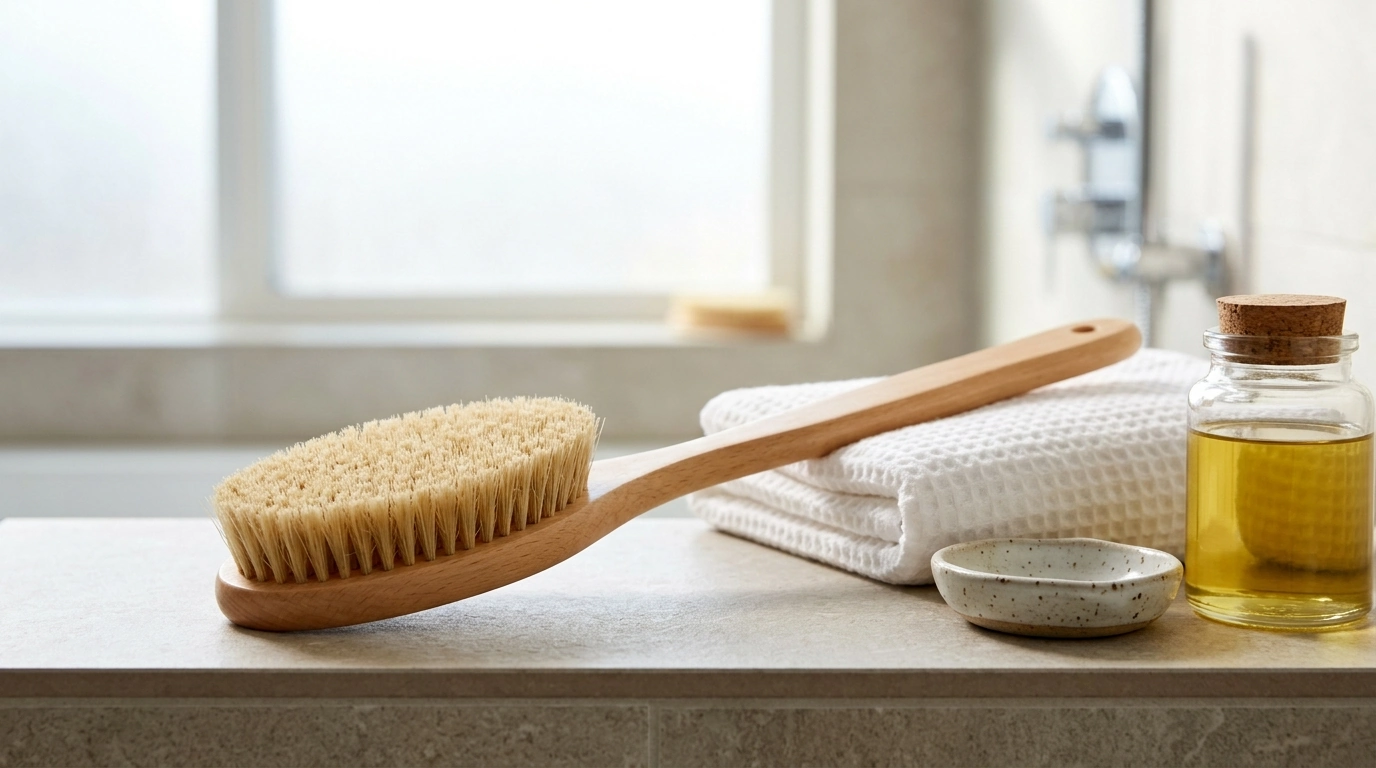
Natural Sisal Bristle Bath Brush with Wood Handle
A natural sisal bristle bath brush with a wood handle supports an easy at-home body care routine—especially for dry brushing and gentle exfoliation in the shower. The plant-based bristles help lift dry, flaky skin, while the long handle improves reach for the back and legs. This guide covers what to expect from sisal bristles, how to use the brush comfortably, and how to keep it clean so it lasts.
What Makes a Sisal Bath Brush Different
Sisal is a plant fiber (commonly sourced from agave) known for its firm, springy feel. That firmness is what gives a sisal brush its noticeable exfoliation—more texture than many ultra-soft shower tools, but still manageable when used with the right pressure.
Compared with many synthetic bristles, sisal tends to feel more “grippy” on dry skin. That can be helpful when smoothing rough zones like elbows, knees, and heels where dead skin buildup is common. A wooden handle adds durability and makes it easier to brush areas that are awkward to reach, especially the mid-back and shoulders, without twisting or straining.
Because sisal is naturally firm, pressure control matters. Starting with a lighter touch helps prevent over-exfoliation and lets skin adjust over a few sessions.
Benefits for Everyday Body Care
Used consistently and gently, a sisal bath brush can help remove surface dead skin so skin feels softer and looks more even. Many people also like it as a simple pre-shave step for legs and arms to smooth dry patches (skip brushing directly over irritated skin or freshly shaved areas).
It also fits well into a calming routine: a few minutes of brushing before a shower or bath, followed by a body moisturizer or oil. For hard-to-reach areas, the long handle can make a bigger difference than expected—especially for the back, where buildup can be difficult to address with hands alone.
For more on exfoliation basics and how to avoid irritation, the American Academy of Dermatology Association offers practical guidance.
How to Use for Dry Brushing (Comfortably)
Dry brushing is typically done on dry skin before bathing. The key is keeping strokes light at first—think “polishing” rather than scrubbing. If skin is reactive or prone to redness, fewer strokes with less pressure usually feels better than trying to “get it done” quickly.
- Use long, gentle strokes toward the heart for a consistent routine.
- Start with legs and arms, then move to the torso.
- Use extra care on thinner skin areas like the chest and neck (or skip them if they’re easily irritated).
- Limit early sessions to about 2–5 minutes; increase gradually if skin tolerates it well.
- Avoid broken skin, rashes, sunburn, active eczema flares, and inflamed areas; stop if stinging or redness persists.
Dry brushing is often discussed online for many reasons, but it’s still exfoliation at its core—so comfort and skin tolerance come first. For a balanced look at potential benefits and risks, see the overview from the Cleveland Clinic.
Using the Brush in the Shower or Bath
Wet brushing is typically gentler than dry brushing because water softens skin and reduces friction. It can be used with a mild body wash if desired, especially if the goal is a smoother cleanse rather than a stronger scrub.
- Use circular motions on rough zones (heels, elbows) and lighter strokes elsewhere.
- Rinse the bristles thoroughly after use to remove soap residue and skin debris.
- If the wooden handle gets wet often, prioritize drying it well to help preserve the wood over time.
If you’re new to firmer bristles, starting with wet brushing a couple of times a week can be an easy way to build tolerance before trying dry brushing.
Care, Cleaning, and Replacement Guide
Simple care schedule for a sisal body brush
| Task | How often | How to do it |
|---|---|---|
| Rinse and dry | After each use | Rinse bristles, shake out water, air-dry with good airflow |
| Quick wash | 1–2× per week | Lather bristles with mild soap, rinse thoroughly, dry completely |
| Deeper clean | Every 2–4 weeks | Wash bristles more thoroughly; avoid long soaking of the wood handle |
| Replace | Every few months (varies) | Swap when bristles are worn, odor persists, or irritation occurs |
Who It’s Best For (and When to Avoid It)
Product Details and Where to Find It
If you’re looking for an affordable, straightforward tool for dry brushing or shower exfoliation, the Natural Sisal Bristle Bath Brush with Wood Handle is in stock and priced at $6.51 (USD). It’s a practical choice for a minimal body-care setup: one brush that can be used dry or in the shower with appropriate care.
You may also like
- Elegant Structured Crocodile Pattern Leather Shoulder Bag – Soft Texture
- Cute Apple House Kitten Plush – Soft Detachable Cat Plush Toy
FAQ
How often should a sisal bath brush be used?
Start with 1–3 times per week and adjust based on how your skin responds. If you notice persistent redness, stinging, or increased sensitivity, reduce pressure and frequency or pause until skin feels calm again.
Can the brush be used on wet skin with body wash?
Yes—using it on wet skin with a mild body wash typically feels gentler than dry brushing. Rinse the bristles thoroughly afterward and let the brush dry completely instead of leaving it damp in the shower.
How should a wooden-handled bath brush be cleaned and dried?
Rinse after each use, shake out water, and air-dry with good ventilation (bristles down or hung). Wash the bristles occasionally with mild soap, and avoid long soaking of the wooden handle to help prevent swelling or cracking.















Leave a comment