Cut Your AC Bill: 7-Day Plan to Stay Cool for Less
Cool Without the Cost: Practical Ways to Cut Air Conditioning Bills and Stay Comfortable
Staying comfortable in hot weather doesn’t have to mean runaway energy bills. A few smart adjustments—temperature settings, airflow, humidity control, and quick sealing—can noticeably reduce air conditioning costs without making your home feel like a sauna. The best part: most of the biggest wins are apartment-friendly, low-cost, and easy to do in one weekend.
Start With the Biggest Leaks in Comfort and Energy
Before changing anything, set a realistic baseline. For a few days, note your typical thermostat setting, how long the system runs, and where the home feels hottest (often late afternoon in west-facing rooms).
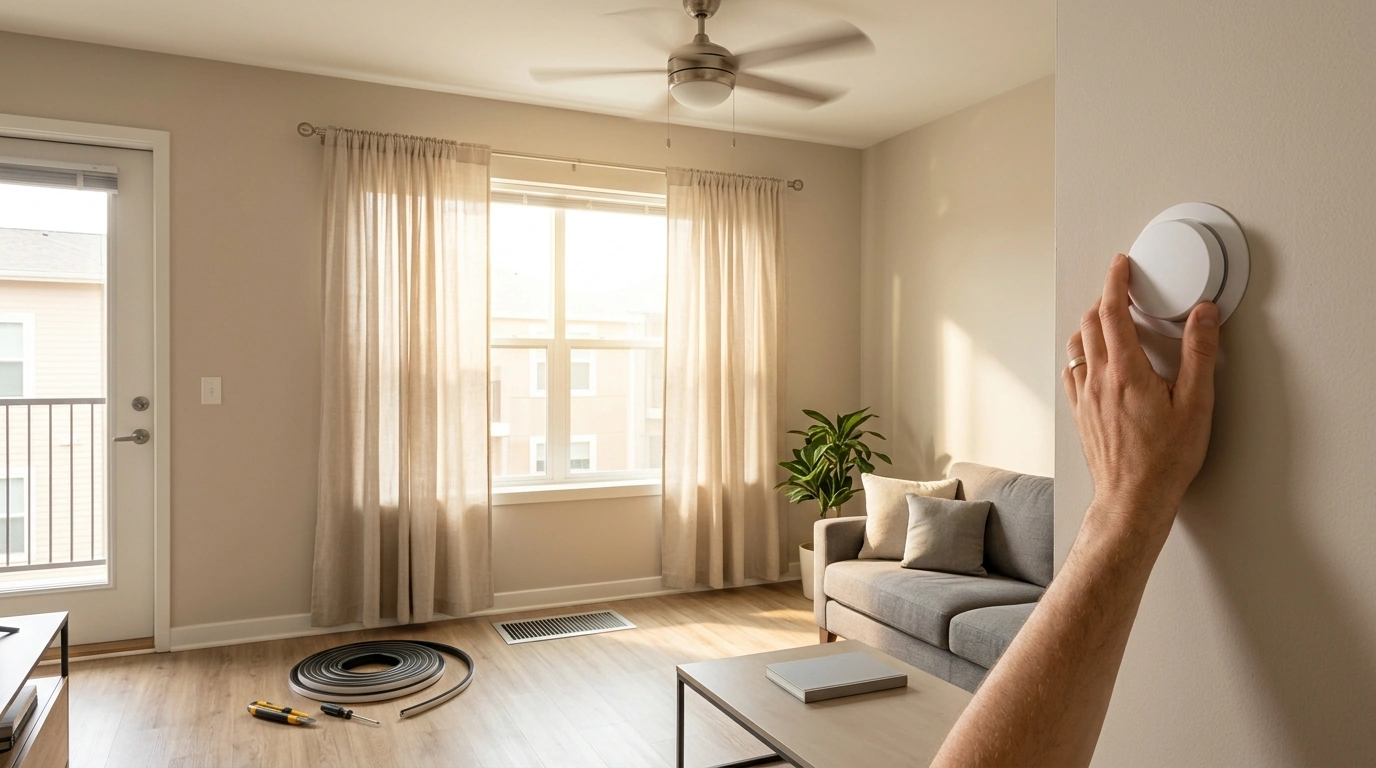
- Hunt for easy-to-fix air leaks: Check gaps around exterior doors, window frames, and wall penetrations (behind TVs, under sinks, around plumbing, and near AC line entry points). Warm outdoor air sneaking in forces longer cooling cycles.
- Block solar heat gain: Close blinds or curtains on sun-facing windows during peak hours. If allowed, reflective window film can cut down radiant heat without changing your décor.
- Reduce indoor heat sources: Shift cooking, laundry, and dishwashing to cooler hours. When possible, use smaller appliances like a microwave or air fryer instead of the oven.
- Seal fast and cheap: Weatherstripping and door sweeps are quick wins. Start with the most-used exterior door (and any door you can feel warm air coming through).
Thermostat and Scheduling That Feel Comfortable
Comfort and savings both improve when your system runs steadily instead of battling constant “up-and-down” temperature swings.
- Pick a steady target temperature: Frequent big drops can increase runtime, especially during the hottest part of the day.
- Try a staged approach: Raise the setpoint 1–2°F every few days until you find the highest comfortable setting. Use fans to make the transition feel natural.
- Adjust for away and sleep hours: When you’re out or sleeping, a slightly higher setting can reduce costs. If your utility has time-of-use pricing, aim for modest pre-cooling before peak rates rather than an aggressive “freeze the house” strategy.
- Avoid the “cool faster” myth: Setting the thermostat extremely low usually doesn’t cool the space faster—it just runs longer.
- Use humidity to your advantage: If indoor air feels sticky, you may be more comfortable at a slightly higher temperature paired with “dry mode” (if your unit has it) or a small dehumidifier.
Quick comfort-and-savings adjustments
| Action | Best time to do it | Why it helps |
|---|---|---|
| Close blinds on sun-facing windows | Late morning through evening | Reduces heat entering the room, lowering AC load |
| Raise thermostat 2°F and add a fan | Anytime you’re home | Fans improve perceived comfort so the AC can run less |
| Seal a drafty door with a sweep | Before the hottest week | Stops hot air infiltration and improves cooling efficiency |
| Run heat-producing appliances later | Evening/night | Avoids adding indoor heat during peak outdoor temps |
| Clean/replace AC filter | Monthly during heavy use | Improves airflow and reduces strain on the system |
Airflow, Fans, and Vent Strategy (Apartment-Friendly)
Airflow is the comfort multiplier that helps you rely less on the thermostat.
Maintenance That Lowers Costs Without Tools or Hassle
Humidity: The Overlooked Comfort Lever
A Simple 7-Day Plan to Reduce AC Costs
Digital Guide: A Grab-and-Go Checklist for Staying Cool on a Budget
If you want a quick reference you can use during heat waves (or whenever the bill jumps), Cool Without the Cost: Your Smart Guide to Saving on Air Conditioning (Digital Download) pulls the key actions into a simple, step-by-step checklist for thermostat settings, airflow, sealing, and daily habits—designed for fast wins in apartments or houses.
For everyday comfort at home, some people also like keeping supportive indoor footwear nearby to avoid blasting the AC just to “feel cozy” on tile floors. Consider Birkenstock Women’s Black Suede Slippers for Fall/Winter Comfort as an easy comfort add-on that pairs well with fan-based cooling.
Trusted Resources for Deeper Energy Guidance
- U.S. Department of Energy: Energy Saver – Air Conditioning
- ENERGY STAR: Thermostat Settings and Savings
- EPA: Guide to Air Cleaners in the Home (filters and indoor air considerations)
FAQ
What temperature should the thermostat be set to for saving money while staying comfortable?
There isn’t one perfect number for every home, so raise your setpoint gradually (1–2°F every few days) until you reach a comfortable balance. Using fans can help you stay comfortable at a higher setting, and setting the temperature higher when you’re away or asleep can reduce costs.
Do fans lower the air conditioning bill?
Fans don’t cool a room the way an AC does; they cool people by moving air across skin. They can lower your bill if you use them to feel comfortable at a higher thermostat setting, and they should be turned off when you leave the room.
How often should an AC filter be changed during summer?
During heavy summer use, a monthly change (or cleaning, if washable) is a practical baseline, and more often may be needed with pets, dust, or smoke. A clogged filter restricts airflow and can make the system run longer and less efficiently.














Leave a comment