Ultralight Aero Cycling Helmet: Fit, Cooling & Safety
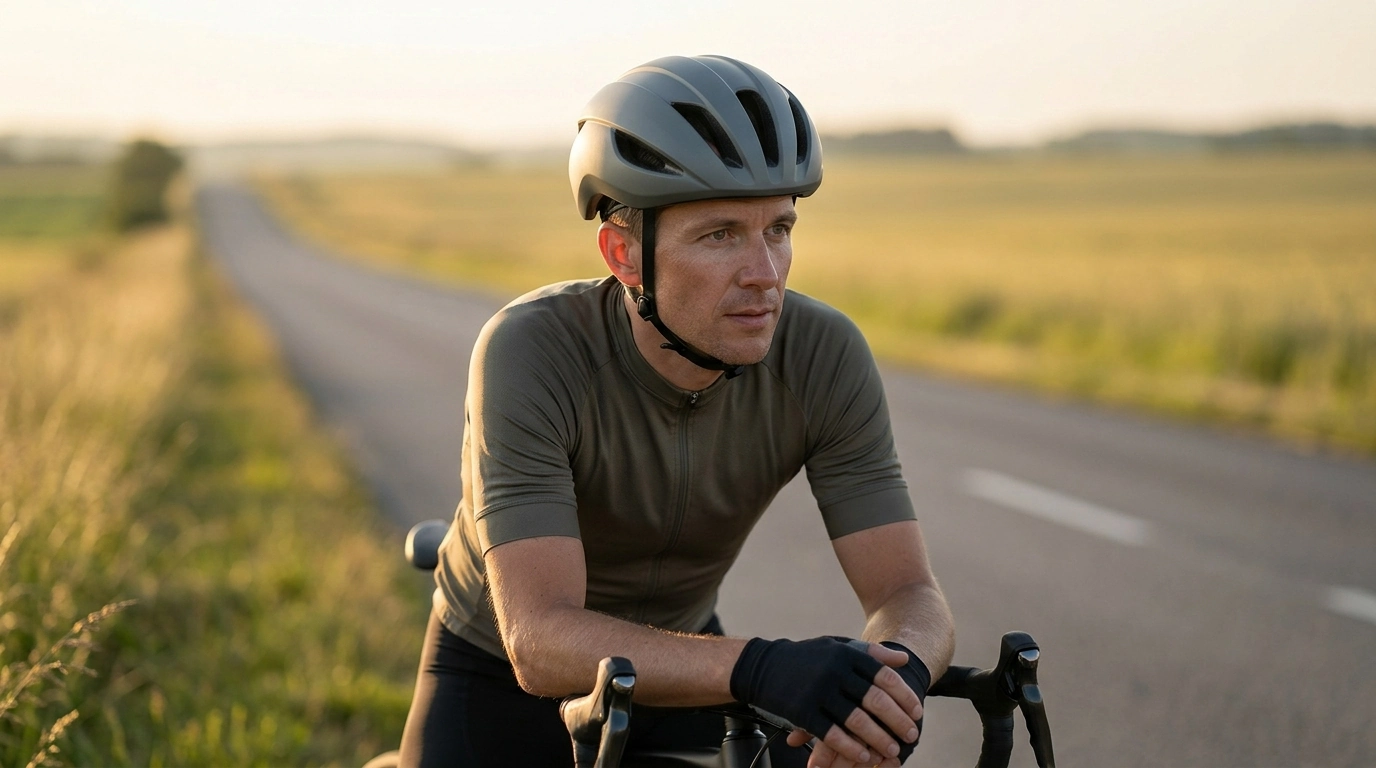
Aerodynamic Ultralight Cycling Helmet for Men and Women – Integrated Safety Design
A cycling helmet should feel fast, fit securely, and stay comfortable across changing speeds and conditions. This aerodynamic ultralight design focuses on reducing drag while supporting everyday safety essentials like stable fit, ventilation, and reliable coverage for road rides, training loops, and commuting.
What an aerodynamic ultralight helmet changes on the road
Helmet aerodynamics and weight don’t just matter for racers. They can influence how the ride feels on long stretches of steady speed, on exposed roads with crosswinds, and during climbs where neck and shoulder fatigue shows up first.
- Streamlined shell shaping aims to reduce air resistance at typical riding speeds, especially when your head position stays consistent on the hoods or drops.
- Lower perceived weight can help reduce neck fatigue on longer rides and climbs where you’re holding your head steady for extended periods.
- A close, stable fit improves comfort in gusty wind and over rough pavement, where a loose helmet can shift and create pressure points.
- Shell shape and vent layout influence cooling at both low and high speeds; internal channels matter as much as the number of vents.
Integrated safety design: what to look for
Fit and stability are part of safety. A helmet that moves easily can expose more of the forehead or shift during an impact. Start with construction, then confirm coverage and retention.
- Impact-absorbing liner + rigid outer shell work together to manage crash forces; the goal is controlled energy management rather than “hardness.”
- Level coverage should sit low on the forehead without blocking vision, helping protect areas that commonly strike the ground first.
- Retention system should keep the helmet stable without pressure points; micro-adjust dials are useful for small changes between rides.
- Strap geometry should create a clean “Y” around each ear and sit snug under the chin for consistent positioning.
- Visibility-friendly finishes and compatibility with lights or reflective elements can add practical safety at dawn/dusk and in changing weather.
For baseline guidance on helmet safety and proper use, review the U.S. Consumer Product Safety Commission’s helmet resources at CPSC — Bicycle Helmets. For a broader view of standards and testing approaches, the Snell Memorial Foundation — Bicycle Helmet Standards Overview is a helpful reference.
Fit and sizing for men and women
Most adult cycling helmets are unisex in sizing; what matters is head circumference, head shape, and how well the retention system fine-tunes stability. Take a quick measurement and do a short movement test before committing to a ride.
- Measure head circumference about 2.5 cm (1 in) above the eyebrows, then match it to the helmet’s size range.
- Start evenly snug: the helmet should feel uniformly snug before tightening the dial or rear retention.
- No rocking: with straps fastened, the helmet shouldn’t tip forward/back with light pressure.
- Account for hair and seasons: braids, buns, and thin winter caps change fit; confirm the adjustability range works year-round.
- Pad placement matters: “hot spots” often come from misaligned pads rather than the wrong size.
Quick fit check (1-minute checklist)
| Check | What “good” feels like | Common fix if not |
|---|---|---|
| Level position | Front edge sits low on the forehead, not tilted back | Tighten rear retention; adjust strap length |
| Side stability | Minimal side-to-side movement | Tighten retention; check pad placement |
| Chin strap | Two-finger space under chin; snug when mouth opens | Shorten strap; reposition buckle |
| Ear “Y” split | Straps meet just below the ear | Slide strap dividers up/down |
| Comfort points | Even pressure with no sharp spots | Swap/realign pads; adjust retention tension |
Ventilation and comfort on longer rides
Long-ride comfort is a mix of airflow, moisture control, and how the helmet “disappears” once you settle into your cadence. If a helmet feels top-heavy, it can subtly increase tension through the neck and upper back.
- Vent placement beats vent count: well-designed internal channels can move air across the scalp more effectively than simply adding more openings.
- Sweat management improves with absorbent, removable pads that can be washed after hot rides.
- Ultralight feel can be noticeable during climbs and repeated head checks in traffic, where extra grams feel amplified over time.
- Climate strategy: in hot regions, prioritize airflow and lighter colors; in cooler regions, make sure the helmet still fits well with thin caps.
When an aero helmet makes the most sense
An aero-leaning helmet is often a “best of both worlds” choice: more streamlined than a fully vented option, without the extreme shape of dedicated time-trial gear.
Care, lifespan, and replacement timing
Product options
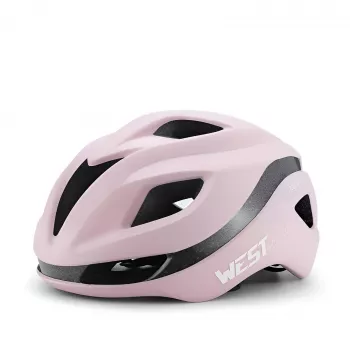
- Aerodynamic Ultralight Cycling Helmet for Men and Women – Integrated Safety Design — designed for a balance of streamlined shape, low-weight feel, and stable fit for everyday road use.
- New Balance 550 Sneakers — a practical pick for off-bike time or casual commuting days when you’re walking more than you’re riding.
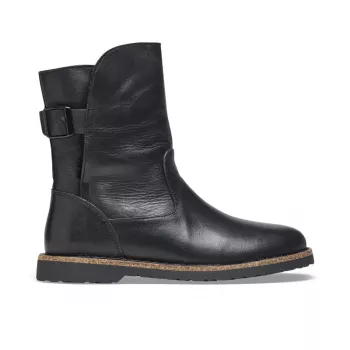
- Birkenstock Women’s Black Suede Slippers for Fall/Winter Comfort — a cozy recovery option after long rides when your feet want a break from stiff cycling shoes.
FAQ
How tight should a cycling helmet be?
It should feel snug all around without pain and have minimal movement when you shake your head. The chin strap should allow about two fingers of space under the chin, and the retention system should be tight enough to prevent rocking.
Do aerodynamic helmets run hotter than standard helmets?
They can, depending on vent placement and internal air channels. Many modern aero designs balance airflow with reduced drag, but in very hot climates a maximum-vent helmet may feel cooler at slow speeds.
When should a cycling helmet be replaced?
Replace it immediately after any crash or significant impact, even if there’s no visible damage. Otherwise, replacement is typically recommended every few years based on wear, UV/heat exposure, and the condition of straps and foam—always follow the manufacturer’s guidance.














Leave a comment