Cat-Proof Your Home: Room-by-Room Safety Checklist
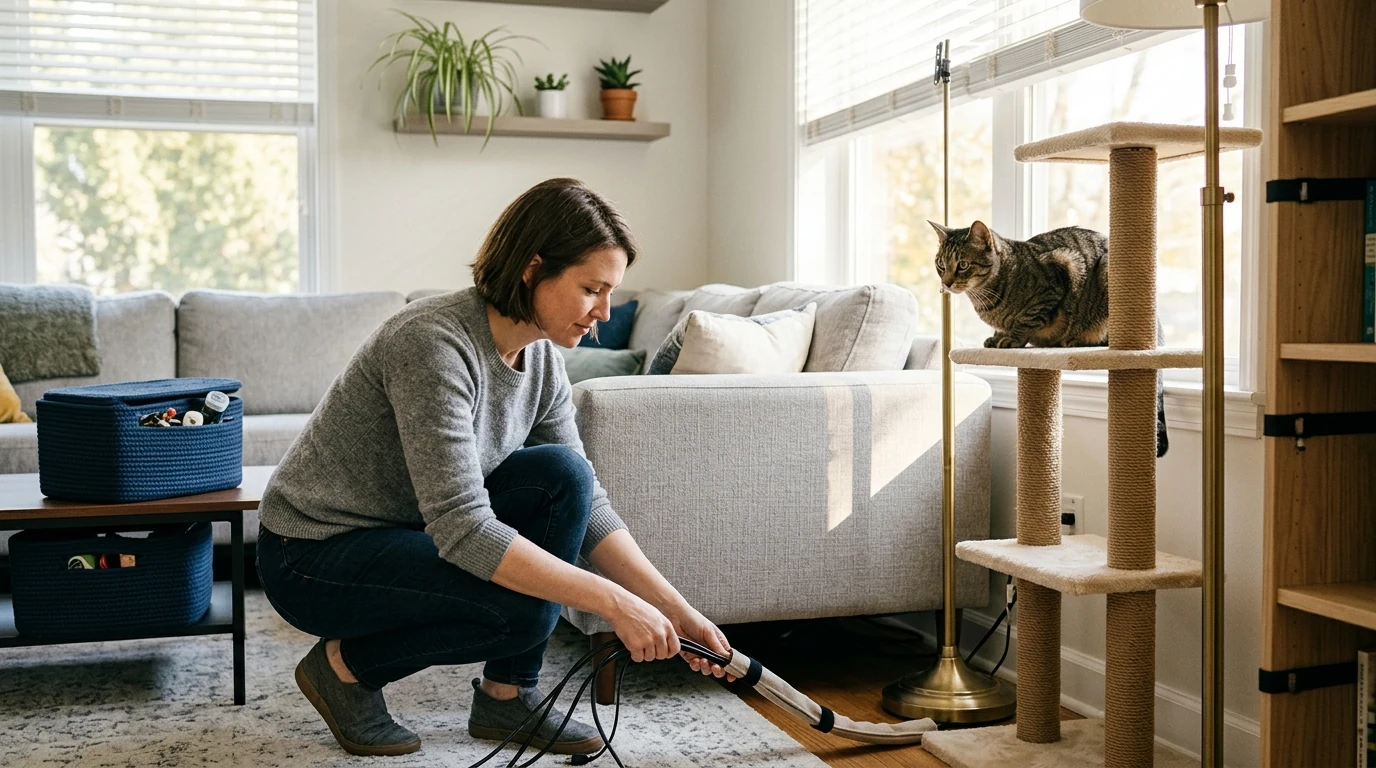
Cat-Proofing That Fits Real Life (and Real Cats)
Cat-proofing isn’t about turning your home into a sterile box—it’s about removing the everyday hazards that can cause burns, poisoning, falls, or scary midnight vet visits, while still letting your cat climb, scratch, explore, and nap in peace. The most effective setups focus on a few high-impact risk zones (cords, windows, plants, chemicals, and tiny swallowable items) and then reinforce good behavior with smart enrichment.
Use the steps below to create safer rooms and a calmer routine—whether you’re bringing home a curious kitten or supporting an adult cat with big “helper” energy.
Start With a Quick Home Safety Scan
Before you buy anything, do a simple walkthrough and look at your space from a cat’s perspective. Crouch down and scan edges, gaps, and tempting dangling items—cats notice things at floor level that humans routinely miss.
- Walk through the home at cat-eye level to spot dangling cords, unstable décor, and small objects that can be swallowed.
- Identify “hot zones”: kitchen counters, laundry area, balconies/windows, bathrooms, and any room with craft supplies or medications.
- Create a temporary safe room (litter box, water, bed, scratching option) for setup days, guests, or repairs.
- Set priorities: life-threatening risks first (toxins, falls, choking), then nuisance behaviors (scratching, chewing, climbing).
If you want a step-by-step plan you can check off quickly, the A Practical Guide to Cat‑Proofing Your Space (digital download) is an easy way to keep fixes organized room by room—especially helpful after rearranging furniture or moving.
Room-by-Room Cat‑Proofing Essentials
Different rooms create different temptations: cords in the bedroom, cleaners in the bathroom, and irresistible “forbidden snacks” in the kitchen. Tackle the basics first, then fine-tune based on your cat’s habits.
- Living room: anchor tall furniture, remove fragile breakables from edges, secure blind cords, and choose heavy-based lamps that won’t tip.
- Bedroom: keep hair ties, earbuds, and jewelry in closed containers; avoid leaving charging cables loose near the bed.
- Bathroom: store medications, razors, and cosmetics in closed cabinets; keep toilet lids down; secure floss and cotton swabs.
- Laundry/utility: keep detergent pods and chemicals locked away; close washer/dryer doors; check inside appliances before running them.
Common Home Hazards and Simple Fixes
| Hazard | Why it matters | Quick fix |
|---|---|---|
| Loose cords and chargers | Chewing can cause burns or shock; tangling risk | Use cord covers, route behind furniture, unplug when not in use |
| Toxic cleaners/chemicals | Ingestion or paw exposure can cause poisoning | Store in latched cabinets; use pet-safer alternatives when possible |
| Open windows/balconies | Fall risk even for agile cats | Install secure screens; use window stops; supervise balcony access |
| String items (yarn, ribbon, floss) | Can cause intestinal blockage if swallowed | Store in sealed bins; provide safer interactive toys instead |
| Houseplants | Some varieties are toxic to cats | Confirm plant safety; move unsafe plants to inaccessible areas or remove them |
Kitchen and Dining: Food, Heat, and Trash Risks
The kitchen combines three things cats love to investigate: smells, warm surfaces, and crinkly packaging. A few habits and small barriers go a long way.
- Keep hot surfaces and sharp tools out of reach: block stove access when cooling, store knives securely, and avoid leaving skewers or bones unattended.
- Use trash cans with locking lids; keep compost and food scraps sealed to prevent scavenging.
- Avoid leaving dough, alcohol, chocolate, onions/garlic, grapes/raisins, and xylitol-sweetened items accessible.
- Discourage counter surfing by reducing rewards: wipe crumbs, store food promptly, and offer an approved “cat zone” (perch or tree) nearby.
Poison prevention guidance from the American Veterinary Medical Association (AVMA) is a helpful reference for everyday household risks, especially when sharing a home with a bold taste-tester.
Windows, Screens, Doors, and Escape Prevention
Indoor cats can be lightning-fast at doors and surprisingly persistent with windows. The goal is reliable physical security plus a repeatable routine humans can follow when distracted.
- Install sturdy, properly fitted window screens; repair any loose corners or tears immediately.
- Use window stops to limit opening width when screens are not guaranteed secure.
- Create an entry routine: pause, look down, and block with a foot or bag; consider a baby gate or interior door buffer for determined dashers.
- Microchip and use a breakaway collar with ID tag as backup identification (as advised by a veterinarian).
Plants, Scents, and Household Chemicals
For plant checks, the ASPCA Animal Poison Control list of toxic and non-toxic plants is one of the most useful references to bookmark.
Scratching, Climbing, and Enrichment (Prevention That Actually Sticks)
To keep playtime inviting without leaving stringy items out unattended, a soft, comfort-style toy can be a nice “approved” option between interactive sessions, like the Cute Apple House Kitten Plush – Soft Detachable Cat Plush Toy.
For more enrichment ideas that support behavior (instead of fighting it), the Humane Society’s cat enrichment guide offers practical suggestions for routines and environments.
Apartment and Small‑Space Cat‑Proofing
Daily Habits That Keep a Cat‑Proof Home Working
FAQ
What are the most important things to cat‑proof first?
Start with toxins (cleaners, medications, toxic plants), fall/escape risks (windows, balconies, doors), and choking or blockage hazards (strings and small objects). After those are addressed, focus on scratching and climbing by adding approved alternatives and removing “easy wins” like dangling cords.
How can cords be protected from chewing?
Use rigid cord covers or split-loom tubing, route cables behind furniture, and unplug chargers when they aren’t in use. If chewing continues, increase daily play and enrichment to reduce boredom, and check with a veterinarian to rule out stress or medical issues.
Are window screens enough to prevent falls?
Screens help, but they can fail if they’re loose, damaged, or not designed to withstand pressure. Use sturdy, properly fitted screens plus window stops, routine inspections, and supervised balcony access for extra safety.
















Leave a comment