Mini Stainless Firewood Stove: Chimney + Aroma Warmer
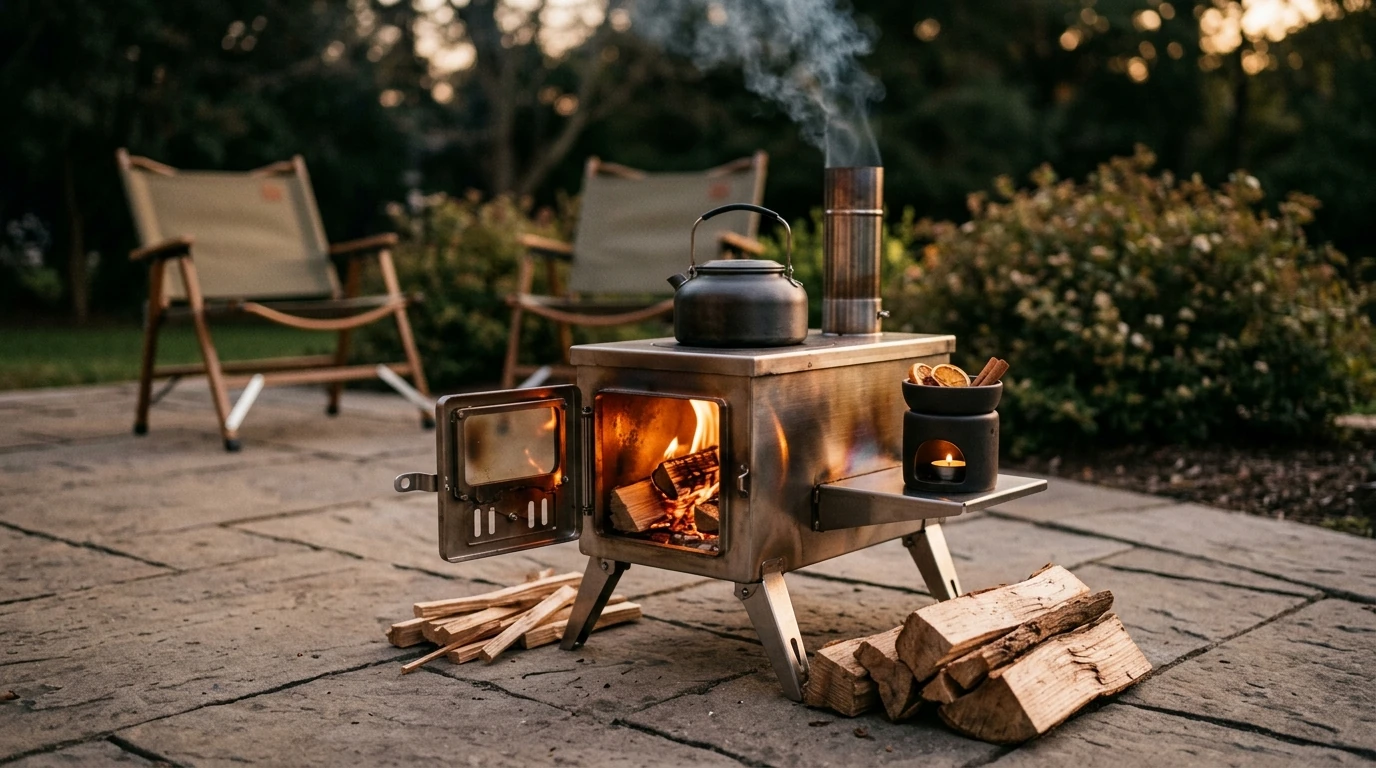
Stainless Steel Outdoor Mini Firewood Stove with Chimney & Aromatherapy Holder
A compact firewood stove can add reliable heat and a simple cooking surface for camping, patios, and backyard hangouts. The Stainless Steel Outdoor Mini Firewood Stove with Chimney & Aromatherapy Holder is built for small-footprint setups where you want the comfort of a real wood flame, a bit more smoke control than an open fire, and the option to warm a gentle scent nearby (without tossing anything into the flames).
Because it’s wood-burning, placement and ventilation matter. For outdoor safety best practices, it’s worth reviewing guidance from the NFPA’s outdoor fire safety tips and the U.S. EPA Burn Wise program on cleaner burning.
What This Mini Stove Is Designed For
- Small outdoor spaces where a compact wood-burning heat source is preferred over a large fire pit.
- Short cooking tasks like warming water, heating simple meals, or keeping a pot gently simmering.
- Directing smoke upward using the chimney to reduce nuisance at seating level (wind and local conditions still apply).
- Light ambiance with the aromatherapy holder—only with heat-safe materials intended for warming.
It’s a practical option for quick, cozy sessions: a little warmth for a late patio coffee, a convenient heat source for campsite water, or a controlled flame when an open campfire isn’t ideal.
Key Parts: Body, Firebox, Chimney, and Aromatherapy Holder
Stainless steel body
Stainless steel is chosen for corrosion resistance and easier cleanup. After a burn, soot and fingerprints can be wiped down with mild soap and water once the unit is fully cool.
Firebox area
The firebox is where small pieces of dry firewood are fed to maintain a steady burn. With mini stoves, the biggest performance difference usually comes from fuel quality: dry, seasoned wood ignites faster, burns hotter, and smokes less than damp wood.
Chimney
The chimney helps route smoke upward, which can be more comfortable than an open fire that drifts at face level. It’s not a guarantee—gusty wind can still push smoke around—so choose a location that keeps smoke away from people and away from any partially enclosed area.
Aromatherapy holder
The aromatherapy holder sits where heat can gently warm a compatible aroma source without placing it directly into flames. The goal is subtle scenting, not heavy smoke. Stick to products labeled for warming and use small amounts to avoid residue or strong fumes.
Quick Specs and What They Mean Outdoors
Mini stoves shine when you want portability and a controlled burn. A smaller firebox typically means quicker heat-up, smaller fuel loads, and more frequent feeding—an easy tradeoff for compactness.
At-a-Glance Details
| Detail | What to check before using |
|---|---|
| Placement | Stable, non-combustible surface; clearances from walls, furniture, and overhangs |
| Fuel | Dry, untreated wood; avoid painted/treated lumber and trash |
| Chimney | Secure fit; route smoke away from people and any overhead structures |
| Aromatherapy holder | Use only heat-safe aroma materials; keep away from direct flame and drips |
| Cleanup | Allow full cool-down; remove ash into a metal container and dispose safely |
Setup Checklist for a Cleaner Burn
- Start with the right base: Choose a level, heat-resistant surface like stone, bare soil, or a rated fireproof pad. Avoid wooden decks unless you have appropriate heat shielding and clearances.
- Create a clear perimeter: Keep dry leaves, paper, fabrics, and spare firewood outside the heat zone.
- Build heat gradually: Use small kindling to establish airflow, then add slightly larger pieces. Overloading early can smother the burn and increase smoke.
- Stabilize the chimney: Ensure chimney sections are seated securely before lighting, and re-check stability if the stove is bumped or moved.
- Feed smaller amounts more often: A steady, breathing fire usually produces less smoke than big loads that struggle to ignite.
For cleaner burning and reduced smoke, follow best-burn practices and avoid “garbage burning.” Treated wood, painted scraps, and household waste can release toxic fumes and create sticky residue inside the stove and chimney.
Using the Aromatherapy Holder Safely
- Use heat-safe aroma sources: Choose materials intended for warming (not open-flame burning).
- Keep it subtle: Add only a small amount. Too much oil or resin can smoke, smell harsh, or leave residue.
- Avoid pouring onto hot metal: Never add liquids to a hot holder—let it cool first to reduce splatter risk and flare-ups.
- Protect kids and pets: Keep a buffer zone around the stove and any scented materials.
If you notice visible smoke from the aromatherapy area, back off the amount, switch to a less smoky warming material, or pause scent use entirely and focus on clean combustion.
Care, Storage, and Longevity Tips
Who This Stove Fits Best
For a cozy “warmth station” vibe, pairing your outdoor setup with comfort items can make cooler evenings more inviting—consider something like Birkenstock Women’s Black Suede Slippers for Fall/Winter Comfort for lounging nearby (well outside the heat perimeter), or a soft, packable comfort pick such as the Cute Apple House Kitten Plush – Soft Detachable Cat Plush Toy for relaxed downtime at camp or on the patio.
FAQ
Can this stove be used inside a tent, garage, or other enclosed space?
No. Wood-burning stoves produce carbon monoxide and smoke; use only outdoors in well-ventilated open areas and never in enclosed or partially enclosed spaces.
What kind of wood works best for a mini firewood stove?
Use dry, seasoned, untreated wood cut to fit. Avoid painted or treated wood, plywood, or trash because they can release toxic fumes and create excessive soot.
Is it safe to use essential oils in the aromatherapy holder?
Use only heat-safe aroma materials designed for warming and apply sparingly. Keep oils away from direct flame and avoid overuse that can cause smoking, residue buildup, or strong fumes.












Leave a comment